

Choosing between two off the plan apartments is one of the most common decisions buyers face and one that is rarely approached systematically. Most buyers end up deciding based on which display suite felt better or which salesperson was more persuasive.
A structured comparison based on the factors that actually determine long-term value and liveability produces better decisions. Here is how to do it.
Before comparing the apartments themselves, compare the developers behind them. A well-designed apartment from a developer who cannot complete the project is not a good purchase at any price.
Compare each developer's completed project history. How many buildings have they completed? Were they delivered on time and to specification? Have there been significant defect issues? Are they iCIRT rated? What does the ASIC record show for the company and related entities?
If both developers have strong track records, move to the apartment comparison. If one has a significantly stronger record than the other, that factor alone may be determinative. The best floor plan in the market does not compensate for a developer who cannot deliver it.
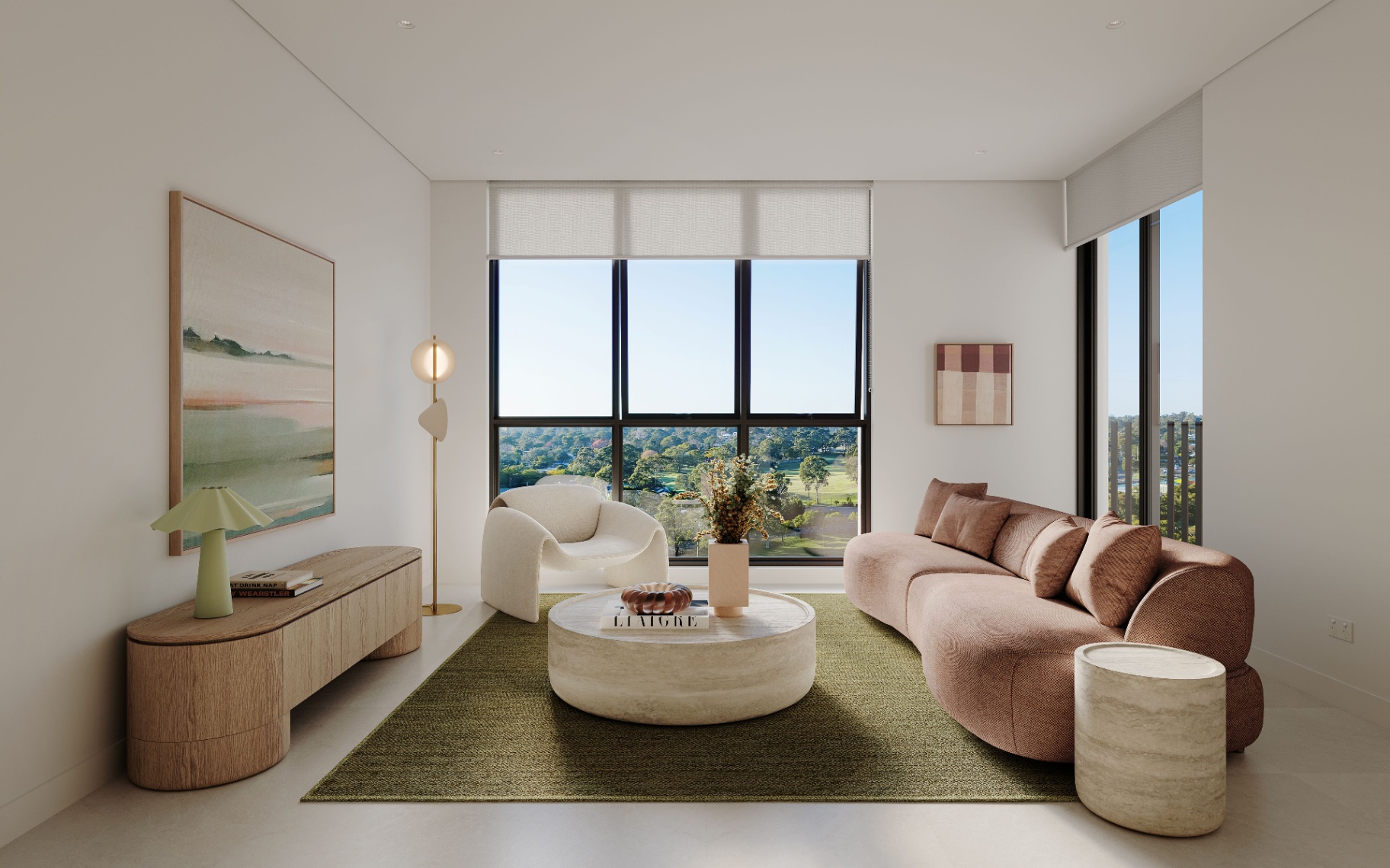 Coposit | Buy with $10K | Sydney Real Estate Market | Buy Property in NSW
Queen Square | Campbelltown NSW | $10K deposit | Secure with $10k and $301 x 158 weeks
The purchase price is where most comparisons start and stop. It should be one input among several.
The total cost of ownership over a typical holding period includes stamp duty, strata levies across the full holding period, council rates, insurance, property management fees if investing, maintenance contributions, and the eventual selling costs. Two apartments at the same purchase price in different buildings can have materially different total holding costs depending on their strata levy structures.
Request the estimated quarterly strata levy schedule from each developer before committing. A building with resort-style amenity will have higher levies than a building with minimal common facilities. Across a five-year holding period, a $1,500 per quarter difference in levies represents $30,000. That is a meaningful component of the total cost comparison that does not appear in the headline purchase price.
Gross floor area is the number most commonly used to compare apartments. Usable floor area is the number that actually matters.
Two apartments marketed at similar sizes can have very different amounts of genuinely usable living space depending on how the gross area is distributed. Deep wrap-around balconies, large entry corridors, and awkward circulation paths all reduce usable living space without reducing the marketed size.
When comparing floor plans, assess where the natural light enters the main living areas, whether the bedrooms have adequate storage, whether the kitchen has sightlines to the living area, whether furniture placement is practical in each room, and whether the balcony is deep enough to be genuinely usable as outdoor living space.
Read What Should You Look for in an Off the Plan Floor Plan for a complete floor plan assessment guide.
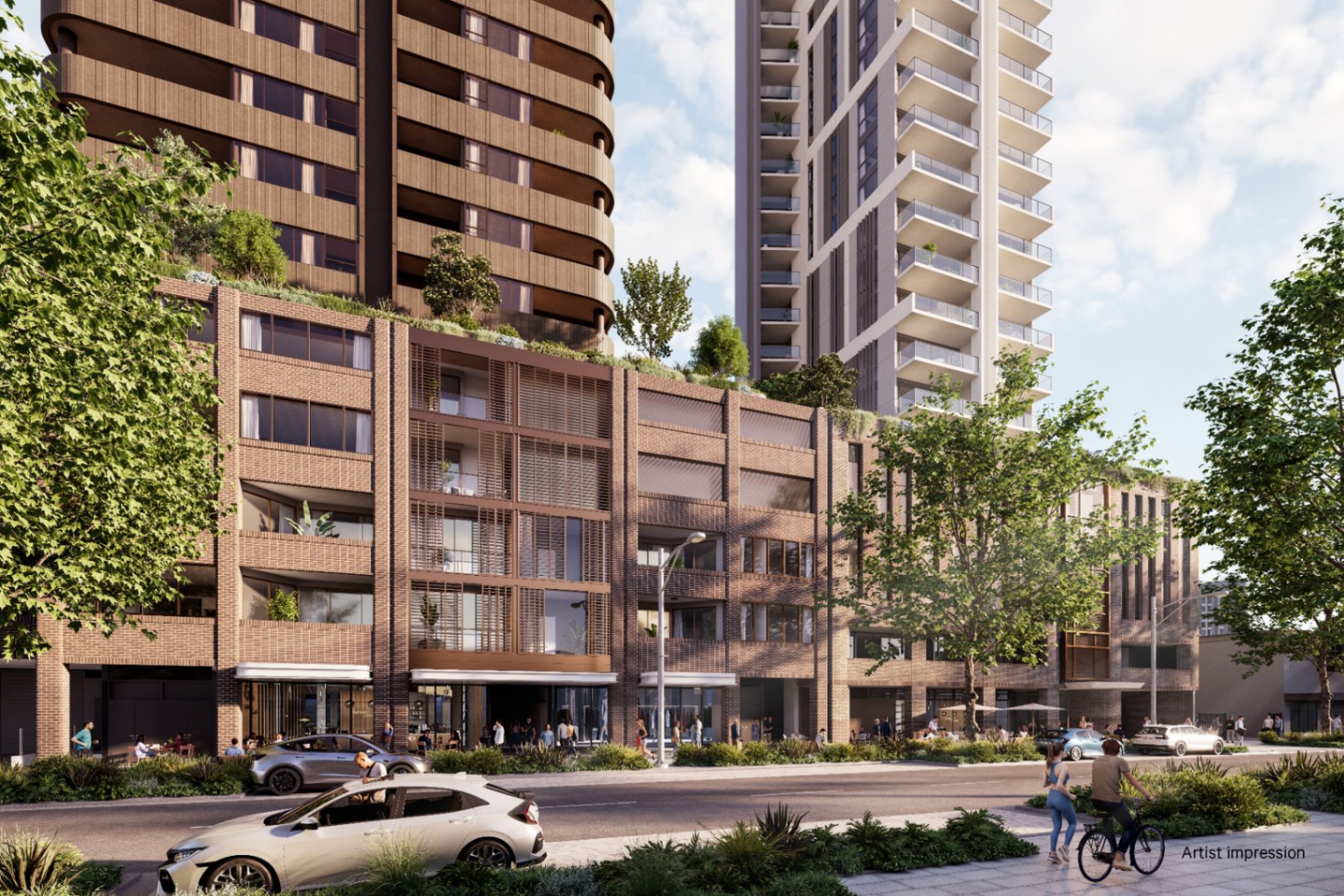 Coposit | Buy with $10K | Newcastle Real Estate Market | Buy Property in NSW
Tempo | Newcastle West NSW | $10K deposit | Secure with $10k and $944 x 71 weeks
Location comparison goes beyond which suburb sounds more appealing. Compare the actual walking distance to the nearest train station or metro stop, the frequency of services at that station during peak and off-peak periods, the availability of everyday retail within walking distance, and the amenity profile of the surrounding neighbourhood.
Also compare the future development context around each property. A location with constrained future supply supports long-term value more reliably than one with significant new development in the pipeline that could affect views, light, or rental competition at settlement.
Read Should You Buy in an Established Suburb or a New Growth Area for a complete analysis of location trade-offs.
The completion date affects the weekly instalment amount for Coposit buyers, the pre-approval renewal timeline, the time available to build savings and strengthen the financial position for settlement, and personal timing around existing leases and moving plans.
A project completing in 12 months and a project completing in 36 months are different financial propositions regardless of how similar the apartments themselves are. The shorter timeline requires higher weekly instalments for the same deposit total and less preparation time before settlement.
Read Why Does the Completion Date Matter When Choosing an Off the Plan Property for a complete analysis of how completion dates should influence the purchase decision.
Before deciding, complete a side-by-side comparison across developer track record, total cost of ownership including estimated strata levies, floor plan usability and natural light, location fundamentals including transport and amenity, future supply context, and completion timeline relative to your personal and financial preparation window.
The apartment that wins the most categories, weighted by what matters most to your specific situation, is the better purchase. Not necessarily the one that felt better at the display suite.
Browse current Coposit listings on the projects page, download the Coposit app, or contact the Coposit team to discuss how specific projects compare for your situation.
This article is general information only and does not constitute financial or property advice. Always seek independent advice before making any property decisions.
Share this article



Follow Coposit:


© 2025 Copyright Coposit.

