

The most reliable driver of long-term property value in Australian cities is not the quality of individual buildings or the taste of the current market. It is the infrastructure that determines how connected, convenient, and liveable a location is for the people who live in it.
Infrastructure investment, train lines, metro extensions, road upgrades, hospital developments, universities, sporting facilities, and urban renewal precincts, changes the fundamental accessibility and amenity of a location in ways that are difficult to reverse. Understanding how to identify infrastructure-driven growth stories and assess their credibility is one of the most valuable analytical skills in property investment.
The mechanism by which infrastructure investment affects property values is straightforward. Infrastructure that improves access to employment, reduces commuting time, or adds genuine lifestyle amenity makes a location more desirable to a larger number of people. Greater desirability drives higher demand. Higher demand on constrained supply drives prices upward.
The scale of the effect depends on the magnitude of the improvement. A new train station in a suburb that previously had no rail access creates a fundamental change in the location's accessibility that is reflected in values. A bus frequency improvement is meaningful but smaller in its effect. A major hospital development brings employment, population, and supporting retail that can transform a precinct over a decade.
The timing of the investment relative to the purchase also matters. Buying before the infrastructure is committed is higher risk but offers the highest potential upside if the investment proceeds. Buying after commitment but before completion captures a meaningful portion of the uplift at lower risk. Buying after completion has already priced in most of the benefit.
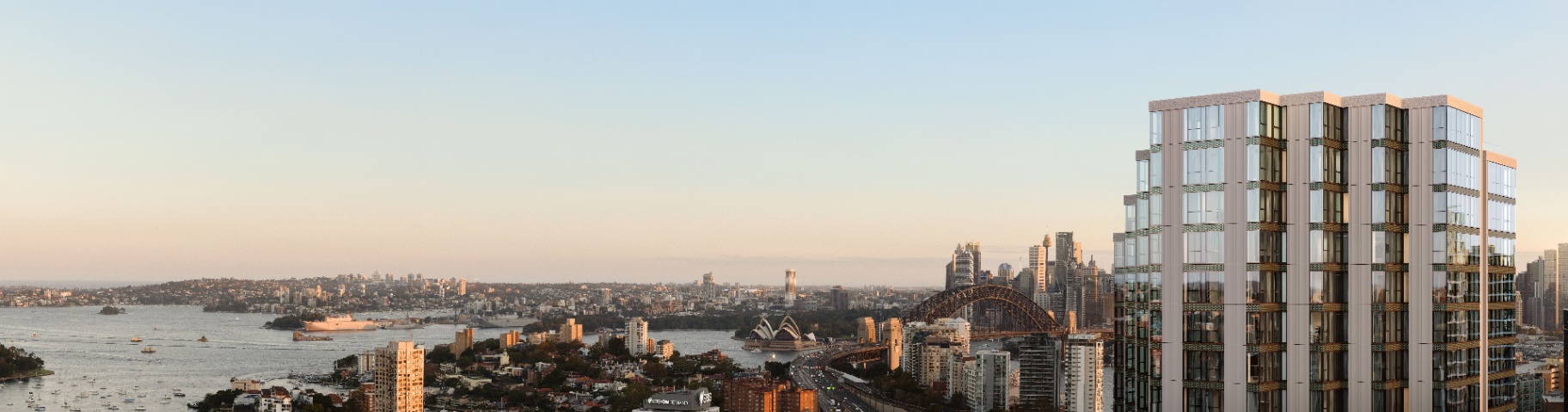 Coposit | Buy with $10K | North Sydney Real Estate Market | Buy Property in NSW
Walden | North Sydney | Buy with $10K deposit | Secure with $10k and $2,256 x 98 weeks
The critical distinction is between committed and funded infrastructure and planned or proposed infrastructure.
Committed and funded means the project has government budget allocation, the environmental and planning approvals are in place, and construction has commenced or is scheduled to commence within a defined timeframe. The Sydney Metro network extensions, the Cross River Rail in Brisbane, and the infrastructure investment associated with the 2032 Brisbane Olympics are examples of committed investment with confirmed timelines.
Planned or proposed infrastructure is infrastructure that appears in strategic planning documents, has been announced by politicians, or features in developer marketing materials but does not yet have confirmed funding, completed approvals, or a committed construction timeline. This category of infrastructure has historically not materialised on the timelines assumed by optimistic buyers, and in some cases has not materialised at all.
Buying based on planned infrastructure is a higher-risk proposition than buying based on committed infrastructure. The risk can be appropriate for buyers with long investment horizons and adequate financial resilience to absorb delay or non-delivery. It is less appropriate for buyers who are counting on the infrastructure uplift to support their purchase at settlement in a defined timeframe.
Sydney Metro: The Metro network has transformed accessibility in several Sydney corridors where Coposit projects are located. Kew Tallawong at Tallawong Station on the Sydney Metro Northwest, and Sky Box Hill and Nelson Quarter in the Box Hill corridor near Rouse Hill Metro, are all in locations where metro access has fundamentally changed the accessibility equation relative to their pre-metro position.
Newcastle Inner City: The Newcastle light rail and ongoing urban renewal investment in the Newcastle CBD precinct has changed the character and accessibility of the inner Newcastle market significantly. ERA Newcastle and Tempo at Cambridge Quarter are both in precincts that have benefited materially from the Newcastle urban renewal program.
Brisbane 2032 Olympics: The infrastructure investment associated with the Brisbane 2032 Olympics is generating significant development activity across the Brisbane metropolitan area. The commitment of government investment across multiple precincts is supporting values in corridors that have historically been undervalued relative to their accessibility position.
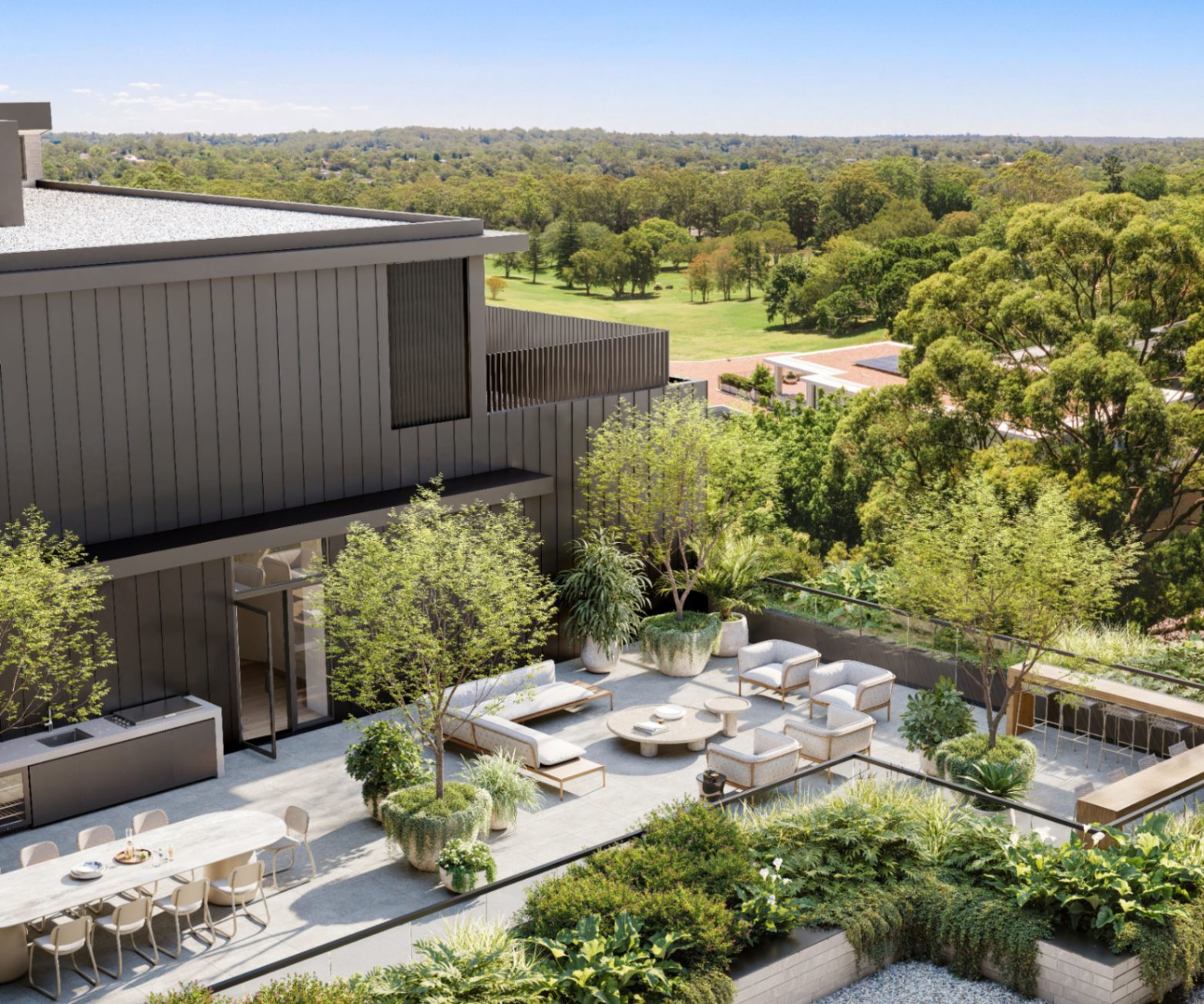 Coposit | Buy with $10K | Sydney Real Estate Market | Buy Property in NSW
The Cowan | St Ives NSW | $10K deposit | Secure with $10k and $1,750 x 100 weeks
Infrastructure investment is a powerful driver of property value but it is not a sufficient condition for good investment outcomes on its own. A suburb with excellent infrastructure but poor underlying fundamentals, inadequate amenity, poor local planning, excess supply, or weak employment access, will not perform simply because a train station has been built.
The best property investment decisions combine genuine infrastructure uplift with strong underlying fundamentals: constrained supply, genuine lifestyle amenity, employment access, and a location that would be desirable regardless of the infrastructure investment.
Read Should You Buy in an Established Suburb or a New Growth Area for a complete framework on assessing growth area investment fundamentals.
Browse current Coposit listings on the projects page, download the Coposit app, or contact the Coposit team to discuss the infrastructure context for specific projects.
This article is general information only and does not constitute financial or investment advice. Always seek independent advice before making any property decisions.
Share this article



Follow Coposit:


© 2025 Copyright Coposit.

