

Rentvesting has been one of the smarter workarounds for Australians priced out of their preferred suburb. Buy an investment property somewhere affordable. Keep renting where you want to live. Build equity in the market while maintaining your lifestyle.
It worked well for a decade. But the 2026 Federal Budget has changed the tax environment around it, and anyone considering rentvesting right now needs to understand what has changed and what hasn't.
Rentvesting is the strategy of buying an investment property in a location you can afford while continuing to rent in the suburb or city where you want to live.
The logic is straightforward. If you can't afford to buy in Sydney's inner suburbs but you can buy in regional NSW, Queensland, or Perth, you buy there, collect rent, and build equity. Meanwhile you continue living in the suburb that suits your work, lifestyle, and social life, paying rent to someone else's mortgage rather than yours.
Done well, it lets buyers enter the property market sooner, in a more accessible location, while preserving their lifestyle. Done poorly, it creates two sets of housing costs with insufficient return to justify the additional complexity.
 Coposit | Buy with $10K | Sydney Real Estate Market | Buy Property in NSW
Auburn Square | Auburn NSW | $10K deposit | Secure with $10k and $347 x 65 weeks
The May 2026 Federal Budget introduced the most significant changes to property investment tax in nearly three decades.
From 1 July 2027, negative gearing will be limited to new builds. Investors who buy established residential properties after Budget night on 12 May 2026 will still be able to deduct losses against residential property income, but will not be able to offset those losses against wages or other income.
Properties purchased before Budget night are grandfathered under the old rules. New builds are entirely exempt from the changes and retain full negative gearing deductibility.
The capital gains tax discount has also been restructured, with cost base indexation replacing the 50% discount for new investors in established properties.
For rentvestors, this matters. The strategy has historically worked partly because negative gearing allowed investors to offset rental losses against their salary income, reducing their tax bill and making the property easier to hold. That tax advantage on established properties is now restricted for new buyers.
 Coposit | Buy with $10K | Sydney Real Estate Market | Buy Property in NSW
Kew | Tallawong NSW | $10K deposit | Secure with $10k and $511 x 95 weeks
The changes are significant but they are not the end of rentvesting. Several things remain intact.
New builds retain full negative gearing. If a rentvestor buys a newly constructed property or purchases off the plan, the old negative gearing rules apply in full. Losses can still be offset against wages. This is a deliberate design choice by the government to encourage new housing supply.
The fundamental logic still works. Building equity in a property you can afford while renting where you want to live is still a valid strategy. The tax treatment has changed but the wealth-building mechanism hasn't.
Positive cash flow rentvesting is unaffected. Investors who buy in markets where rental income covers or exceeds holding costs don't rely on negative gearing in the first place. High-yield markets in Perth, regional Queensland, and some NSW growth corridors offer exactly this.
Capital growth in the right locations continues. CBA modelling suggests the budget changes will reduce house price growth by about 3 per cent compared to what it otherwise would have been. That is a moderation, not a collapse.
The budget has effectively drawn a clear line between two types of rentvesting investment. Established properties purchased after Budget night now carry higher after-tax holding costs. New builds retain the full tax advantages.
For buyers considering rentvesting in 2026, that shifts the calculation decisively toward new construction and off-the-plan purchases.
Buying a new apartment or townhouse off the plan in a growth corridor, holding it through construction, and renting it out at settlement preserves all the tax advantages that made rentvesting attractive in the first place. And it does so in a market where new supply is constrained, construction costs are elevated, and well-located new stock is becoming harder to find.
 Coposit | Buy with $15K | Sydney Real Estate Market | Buy Property in NSW
Senso | Epping NSW | $15K deposit | Secure with $15k and $776 x 78 weeks
Perth remains one of the strongest markets for yield-focused rentvestors. Vacancy rates are near record lows, rents have risen sharply, and property values continue to be supported by strong interstate migration and population growth. New developments in well-connected suburbs offer the combination of negative gearing eligibility and rental demand that the revised tax environment rewards.
Southeast Queensland -- Brisbane, the Gold Coast, and surrounding growth areas -- continues attracting rentvestors from NSW who want exposure to a market that still offers better value than comparable Sydney locations. Rental yields in well-chosen Gold Coast suburbs are running at 5 per cent or above, which reduces reliance on tax benefits to make the numbers work.
Sydney growth corridors in the Northwest and Southwest offer rentvestors new housing stock at price points below the inner ring, with strong rental demand from growing family communities and improving transport infrastructure.
Off-the-plan purchases are now the most tax-efficient entry point for new rentvestors, given the budget's full exemption of new builds from negative gearing changes.
Through Coposit, eligible off-the-plan developments can be secured with $10,000 upfront, with the remaining deposit spread in weekly instalments during construction. For a rentvestor who is simultaneously paying rent and building toward a deposit, that structure reduces the immediate capital requirement and makes the strategy practically achievable at an earlier stage.
The instalment period typically runs 12 to 24 months, aligning with the construction timeline and giving rentvestors time to prepare for the financial commitments of settlement without needing the full deposit available at signing.
Browse eligible new developments suited to rentvesting across NSW, QLD, and WA here.
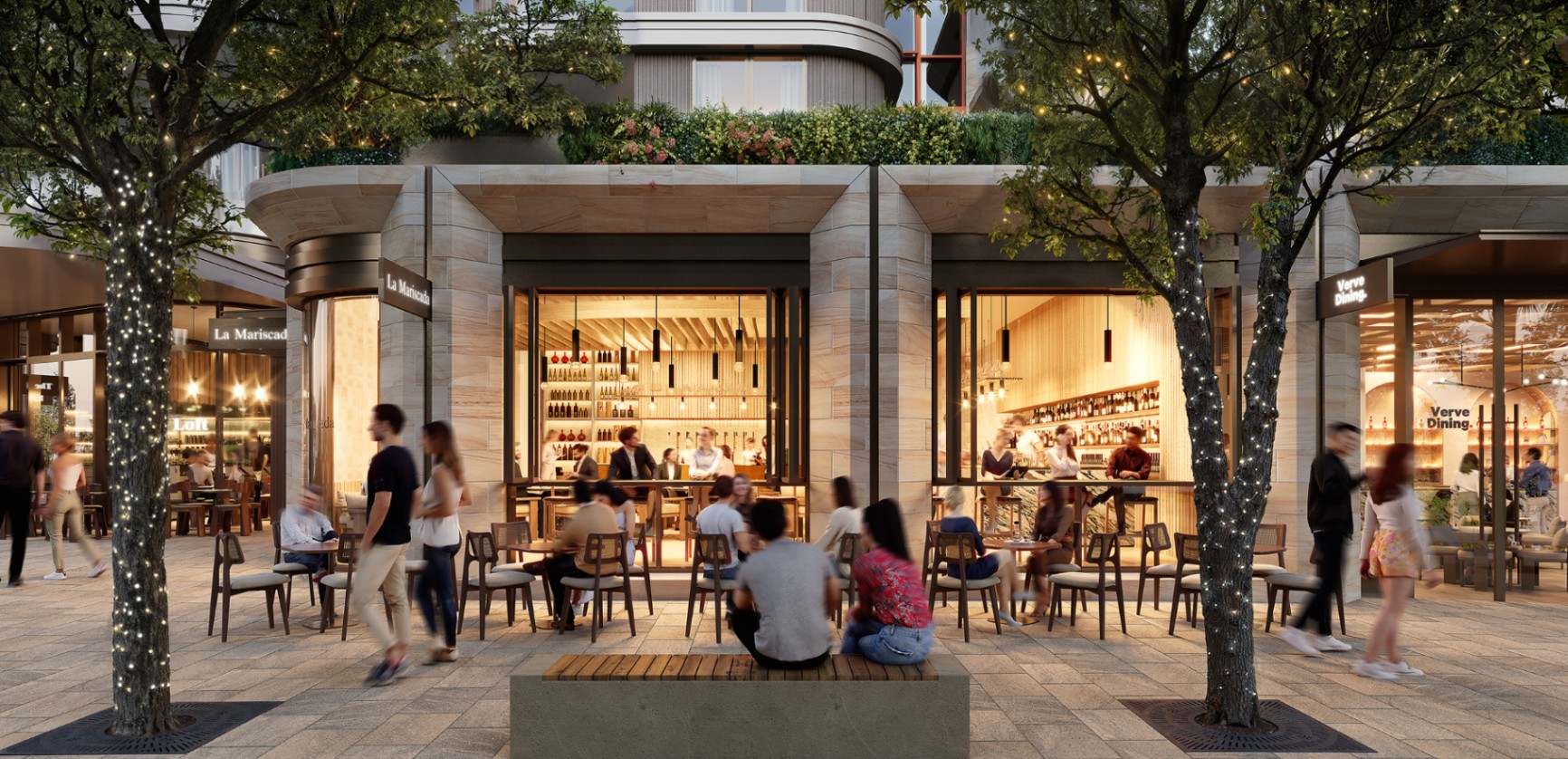 Coposit | Buy with $10K | Sydney Real Estate Market | Buy Property in NSW
Concord Central | Concord West NSW | $10K deposit | Secure with $10k and $371 x 170 weeks
Rentvesting is not the right strategy for everyone. It works best for buyers who have a clear preference for where they want to live that doesn't align with where they can afford to buy, who have stable income to service an investment loan while paying rent, and who are willing to take on landlord responsibilities including property management, vacancy risk, and maintenance.
It doesn't work well for buyers who overextend financially, who choose poor-performing markets, or who rely too heavily on tax benefits rather than genuine rental demand to justify the purchase.
The 2026 budget has changed the tax settings but not the core logic. Rentvesting into new builds in markets with strong rental demand and population growth is still a viable wealth-building strategy. It just requires sharper analysis than it did when negative gearing on established property was the default backstop.
Coposit helps buyers get into new developments sooner by spreading the deposit over time. To explore eligible properties or learn how it works, download our app or contact our team.
Share this article



Follow Coposit:


© 2025 Copyright Coposit.