

The traditional Australian town centre had a straightforward brief. It was the place where people went to shop. A main street with a supermarket, a chemist, a newsagent, a bank branch, a few clothing stores, and a café or two. For most of the twentieth century, that was enough.
It is not enough anymore. The combination of e-commerce, changing work patterns, demographic shifts, and evolving expectations around liveability has forced a fundamental rethink of what a town centre is for and what it needs to offer to remain relevant. The town centres that are thriving are the ones that have made the transition from retail destinations to genuine community hubs. The ones that have not made that transition are struggling in ways that are visible and, in some cases, terminal.
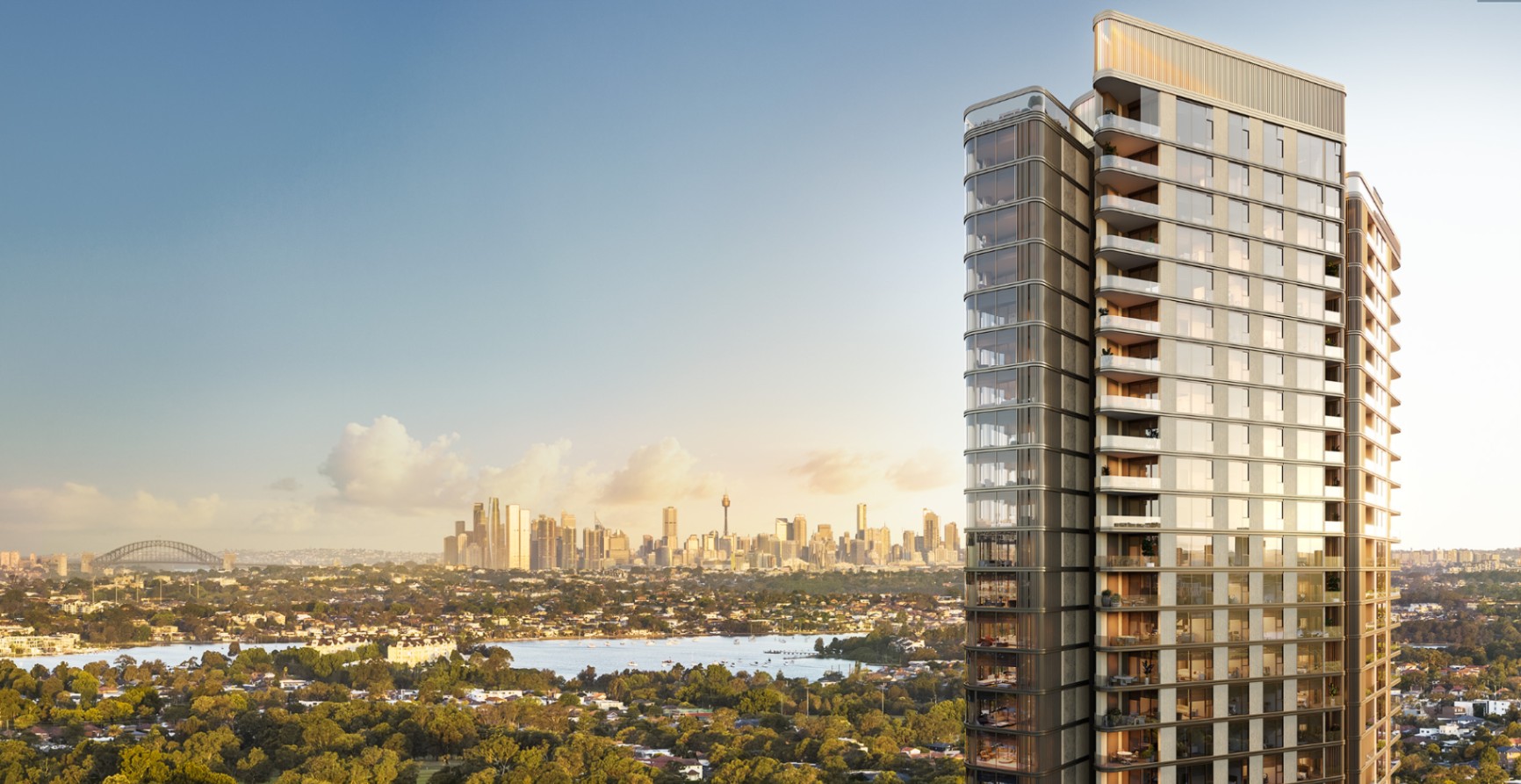 Coposit | Buy with $10K | Sydney Real Estate Market | Buy Property in NSW
The decline of the purely retail town centre has been gradual but unmistakable. The rise of online shopping has removed the functional necessity of travelling to a physical store for a growing proportion of purchases. Department stores, which once anchored town centres and drew foot traffic that benefited surrounding retailers, have contracted dramatically. The bank branch closures that have affected almost every Australian suburb have removed another reason for regular visits.
This does not mean people have stopped valuing local commercial precincts. It means that the reasons they value them have changed. Physical retail still serves important functions, particularly for categories where people want to see, touch, or try before buying, or where immediacy matters. But the town centre that relies entirely on those transactions is competing against online alternatives that are faster, cheaper, and more convenient.
The town centres that are adapting successfully are the ones that have identified what cannot be replicated online: human connection, physical experience, community, and service.
Across Australia, town centres that are successfully evolving share a set of characteristics that distinguish them from those in decline.
They have diversified beyond retail into health and wellbeing services. Medical centres, allied health practices, gyms, yoga studios, and specialist health providers have become major anchors in contemporary town centres. These tenants bring consistent weekly foot traffic from people who need regular appointments, and they attract other businesses that benefit from being near a health precinct.
They have invested in food and hospitality as experience rather than convenience. The café that people visit to sit for an hour, the restaurant worth making a special trip for, the weekend market that draws people from across the suburb, these are not just commercial tenants. They are reasons to come, stay, and come back.
They have incorporated community and civic functions. Libraries, council service centres, community halls, childcare centres, and education facilities have moved from standalone sites into town centre precincts in many Australian cities and regional centres. The result is a centre that generates visits for civic and community reasons, not just commercial ones.
Why urban green spaces are becoming more valuable to residents is relevant here, because the best contemporary town centres treat public space and greenery as infrastructure rather than decoration.
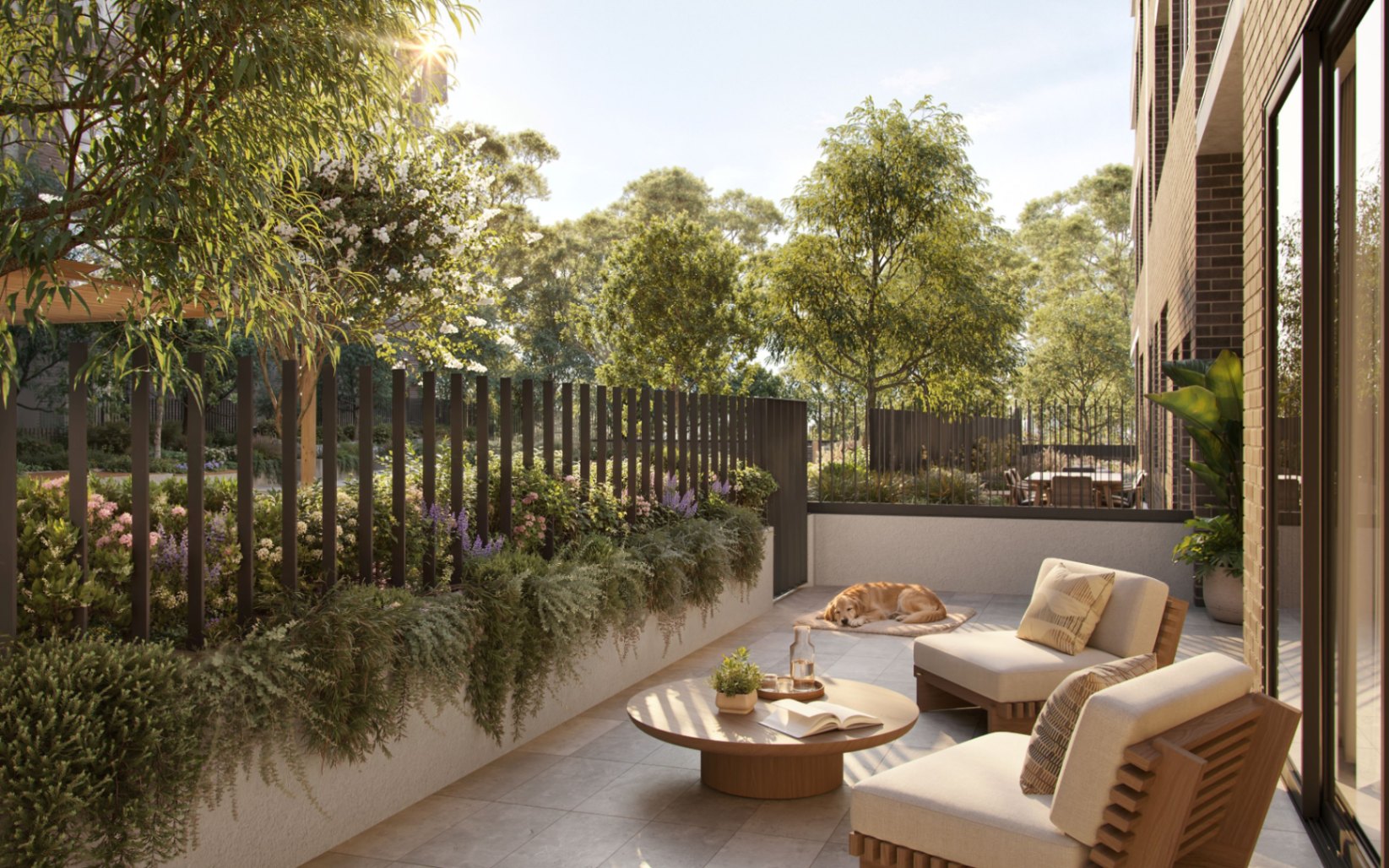 Coposit | Buy with $18K | Sydney Real Estate Market | Buy Property in NSW
One of the most significant shifts in Australian town centre planning is the integration of residential development into commercial precincts. Planning frameworks in most states now actively encourage medium and higher density housing in and around designated town centres, for reasons that make sense from multiple angles.
Residents living in or immediately adjacent to a town centre provide a reliable customer base for local businesses. They shop locally, eat locally, and use local services because those things are on their doorstep. This baseline demand helps local businesses reach viable trading thresholds and supports the kind of diverse tenant mix that makes a centre genuinely useful.
For residents, the benefits are the access to services, the walkability, and the connection to an active local environment that apartment living in well-serviced precincts can provide. For developers, town centre sites offer the combination of established amenity and planning support for density that makes project viability more achievable.
The relationship between housing and town centres is now central to how state governments and local councils think about urban renewal. Precincts that combine housing, retail, health, education, employment, and public space are increasingly the template for what a well-functioning contemporary suburb looks like.
One characteristic that distinguishes thriving town centres from struggling ones is a calendar of activity. Markets, events, activations, festivals, and community gatherings do something for a town centre that fixed retail cannot: they create reasons to come that change week to week, they generate a sense of life and momentum, and they attract visitors from beyond the immediate catchment who may not have come otherwise.
The best-performing town centres in Australia treat activation as an ongoing function rather than a one-off effort. Council investment in event programming, the presence of a town centre management body, and the existence of public spaces that are designed to host activity rather than just provide passage are all indicators of a centre that has understood this.
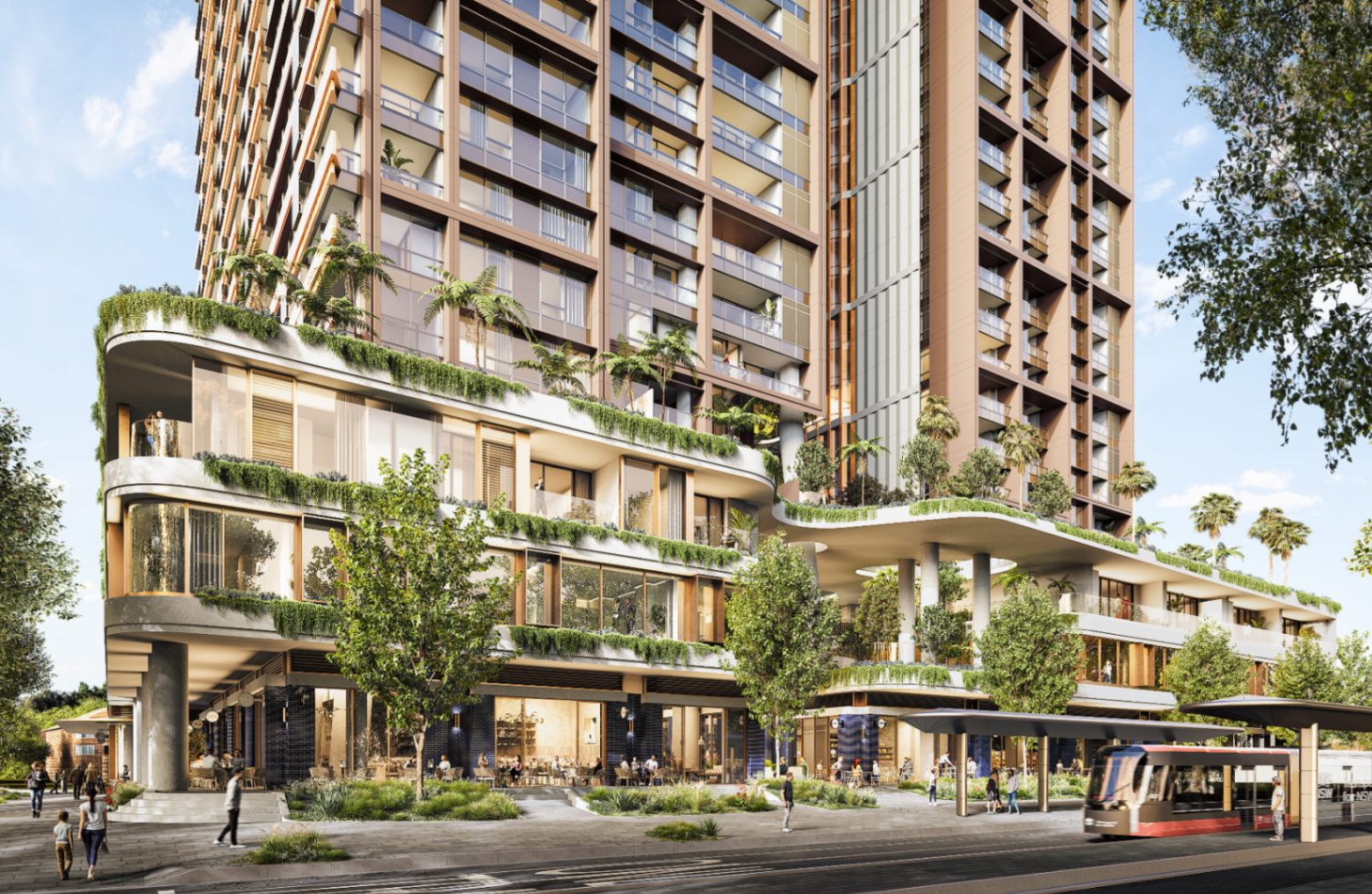 Coposit | Buy with $10K | Sydney Real Estate Market | Buy Property in NSW
For property buyers, the evolution of Australia's town centres is directly relevant to how they think about location. A suburb whose town centre is actively evolving, gaining health services, improving its hospitality offering, integrating residential development, and investing in public space is a suburb whose liveability is improving. That improvement tends to be reflected in property values over time.
The indicators to look for include planning approvals and development applications in the town centre precinct, council investment in public space and streetscape, the arrival of health and allied health tenants, and the density of food and hospitality options relative to the suburb's population.
What first home buyers should look for beyond the price per square metre covers how to translate these qualitative assessments into a practical purchasing lens.
To find developments in suburbs with strong town centre fundamentals, browse the Coposit projects page, download the Coposit app, or contact the Coposit team.
Share this article



Follow Coposit:


© 2025 Copyright Coposit.

