

There is a consistent gap between what homebuyers say they want during the search process and what they actually use once they move in. This gap has been documented by researchers studying post-occupancy behaviour, and it shows up repeatedly in buyer feedback collected after settlement. Understanding it matters both for buyers making decisions and for anyone trying to interpret what they genuinely need from a property purchase.
The features that drive buying decisions are not always the ones that drive day-to-day satisfaction. Some features that feel essential during the search phase turn out to be used rarely or not at all. Others that feel like minor additions become central to how a home actually functions. Making sense of this pattern helps buyers ask better questions before committing.
The mismatch between desired features and used features has several roots.
Decisions made during property searches are partly aspirational. When a buyer imagines life in a new home, they tend to imagine an idealised version: cooking elaborate meals in a large kitchen, working productively in a dedicated home office, entertaining regularly on an outdoor terrace. The mental image of using a feature is vivid and appealing. The reality of everyday life, with its time pressures and habitual routines, rarely matches that image.
This is a well-documented cognitive pattern sometimes called projection bias, where people overestimate how much their future preferences will align with their current imaginings. The appeal of a feature in the abstract, evaluated from the outside, does not reliably predict how much it will be used once it is a fixed part of the environment.
There is also a contrast effect at play during the search process. Features that stand out when comparing multiple properties, the stunning view, the extra bedroom, the larger garage, feel more significant than they will once they are simply the background of daily life. The evaluation process is comparative; actual use is not.
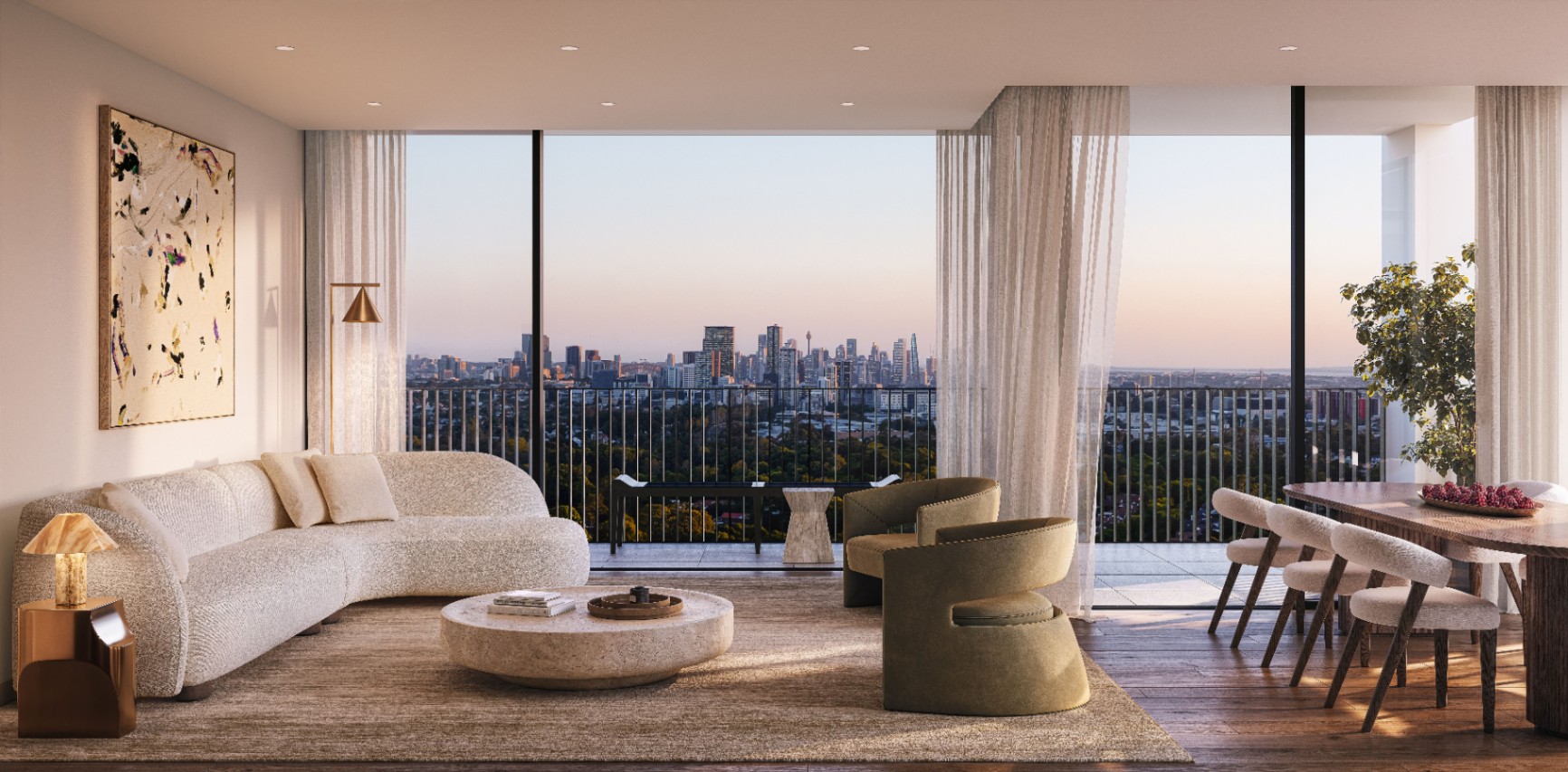 Coposit | Buy with $10K | Chatswood Real Estate Market | Buy Property in NSW
Celine | Chatswood NSW | $10K deposit | Secure with $10k and $658 x 152 weeks
The formal dining room. In apartments and houses built before the shift toward open-plan living, a separate formal dining room was a standard inclusion. Many buyers still seek it out. In practice, Australian households use formal dining rooms for occasional entertaining at best, and many use them as storage, a home office, or a secondary living space. The trend toward open-plan kitchens with island bench seating reflects how most households actually eat.
Excess bedroom count. Buyers with one or two children routinely seek out four-bedroom properties, projecting forward to teenagers who want their own space or adult children returning home. Those situations may arise, but in the meantime the additional bedrooms become storage rooms, infrequent guest rooms, or dedicated spaces for activities that could be accommodated in a smaller footprint. The cost of that extra bedroom, in both purchase price and ongoing costs, is worth assessing against realistic use.
The large backyard. Outdoor space is consistently high on Australian buyer wish lists, and there are real lifestyle benefits to it. But buyers without children or dogs frequently find that large garden areas become a maintenance burden rather than a recreational asset. The aspiration to garden, to entertain outdoors regularly, or to have space for future projects does not always survive contact with the reality of a busy week.
The dedicated home office. The pandemic-era surge in demand for home offices reflected genuine need at the time and produced real changes in how buyers think about space. For workers in hybrid arrangements, a dedicated workspace matters. But for buyers who are in an office four or five days a week, the dedicated home office in a property adds to the purchase price and then functions as a desk in a spare room.
High-end appliances as a purchase driver. A well-appointed kitchen with premium appliances is genuinely appealing. But buyers who make it a primary decision criterion sometimes discover that the appliances are used at the same frequency as the mid-range ones they previously owned, and that the kitchen layout and storage, which are harder to evaluate during an inspection, matter more to daily cooking than the brand on the cooktop.
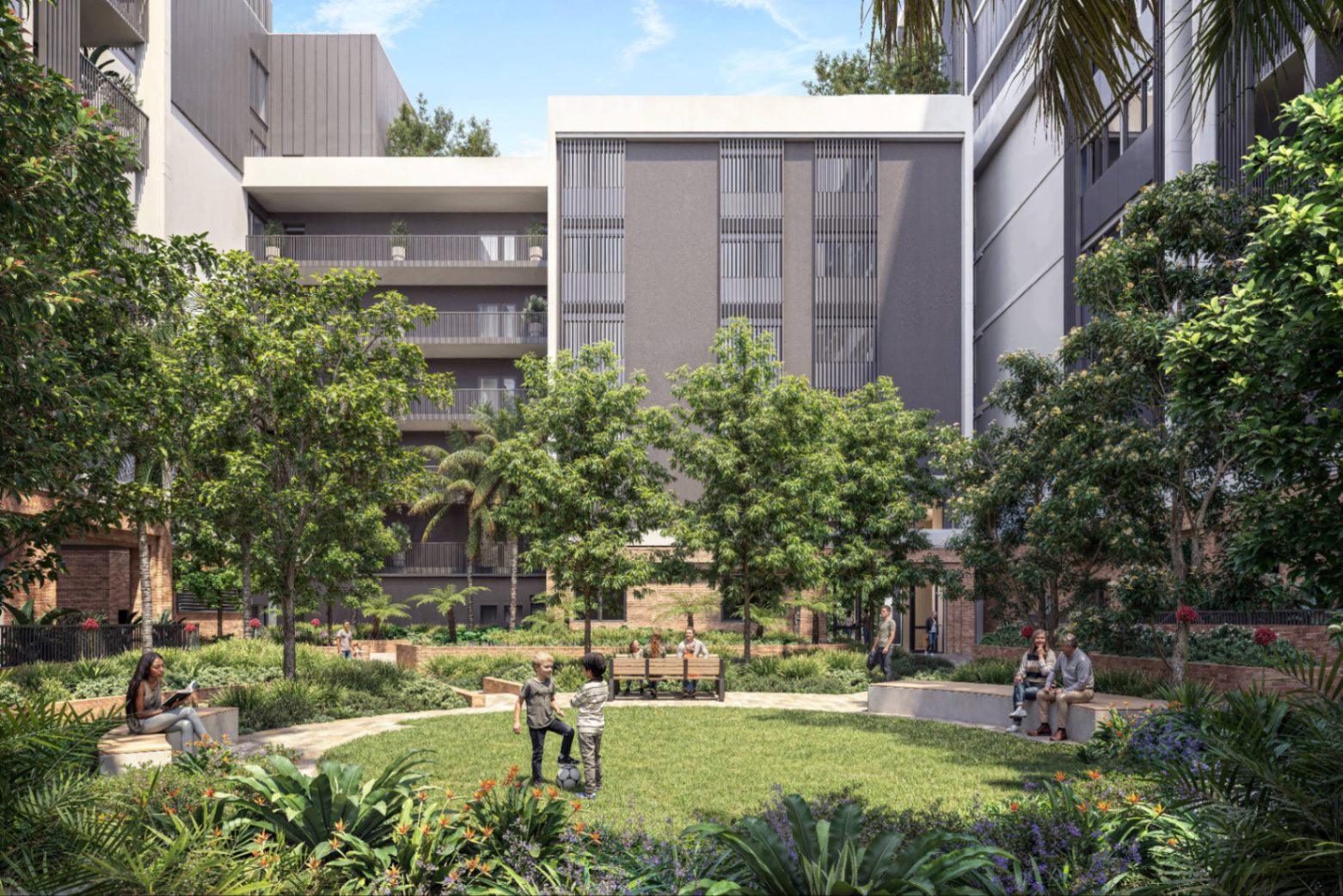 Coposit | Buy with $17K | Sydney Real Estate Market | Buy Property in NSW
Dawn | Melrose Park NSW | $17K deposit | Secure with $17k and $236 x 78 weeks
Storage. It almost never appears at the top of a wish list during the search phase. It consistently appears at the top of satisfaction and regret lists after move-in. Walk-in robes, linen cupboards, pantry space, internal storage for cleaning equipment, and ceiling storage in a garage all affect day-to-day life in ways that are easy to underestimate before actually living with the shortage.
Natural light and ventilation. These are features that buyers assess briefly during inspections and then largely discount in favour of more concrete attributes. But natural light affects how a space feels to inhabit for every hour spent in it, and cross-ventilation affects comfort across Sydney and Queensland summers in ways that buyers who have lived in well-ventilated homes understand intuitively. These are features that become more apparent over time rather than less.
Proximity to genuinely regular destinations. Buyers frequently weight proximity to the CBD highly and discount proximity to schools, parks, or food shopping. For buyers with school-age children or for anyone assessing how often they realistically make the CBD trip versus how often they do the weekly shop, proximity to regular-use destinations often has a greater effect on daily life quality than the headline distance to the CBD.
Quality of fixtures and finishes in high-contact areas. Kitchen tap quality, the feel of door handles, the durability of bench surfaces, and bathroom tapware all affect day-to-day experience through thousands of small interactions over years. These are rarely decision-making criteria in the purchase phase and regularly appear in owner comments about what they appreciate or regret.
Why Some Homebuyers Regret Their Purchase and What We Can Learn From It covers the broader pattern of post-purchase regret and what it reveals about how to approach property decisions.
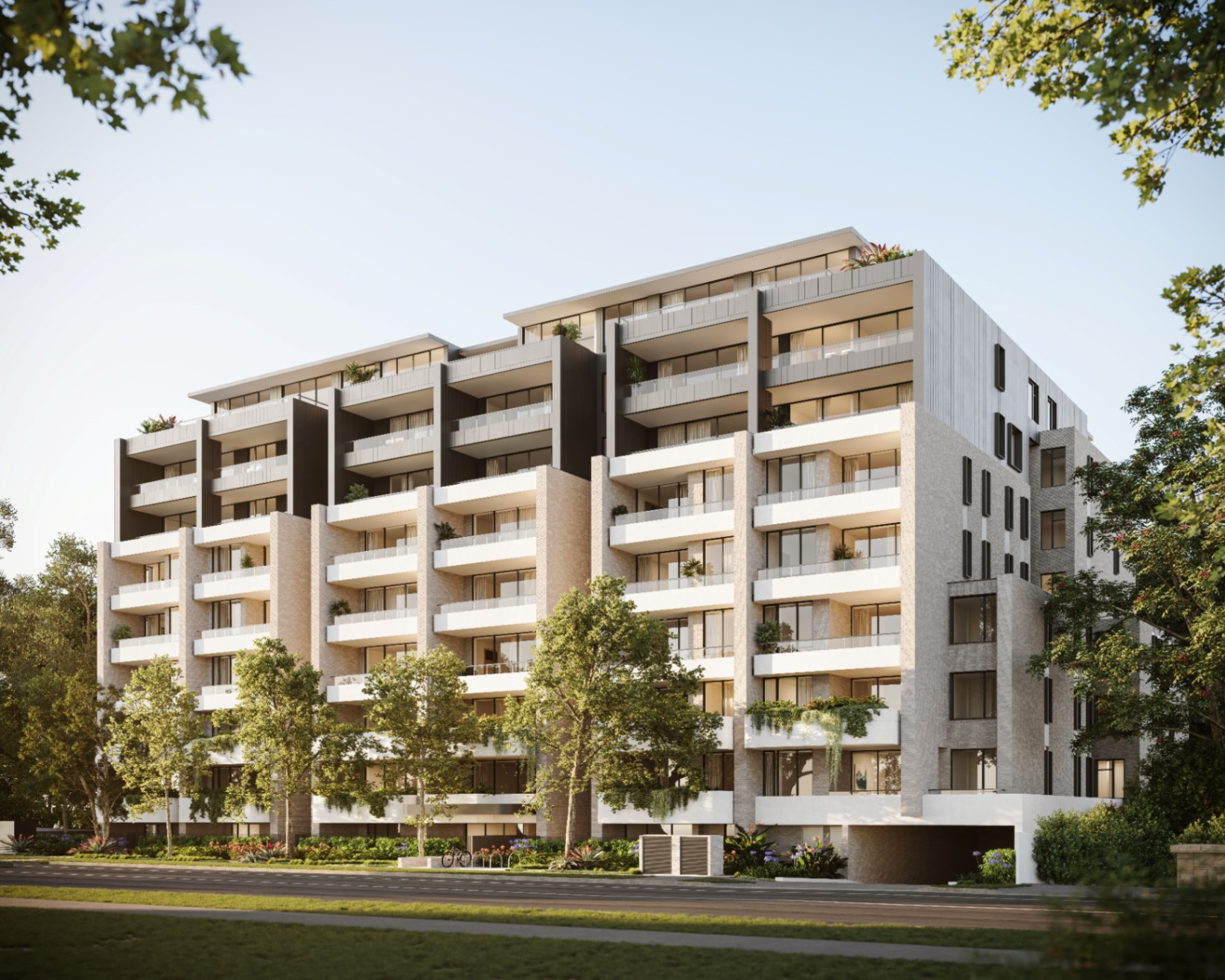 Coposit | Buy with $10K | St Ives Real Estate Market | Buy Property in NSW
The Cowan | St Ives NSW | $10K deposit | Secure with $10k and $1,750 x 100 weeks
Before weighting a feature heavily in a purchase decision, it is worth asking a few direct questions.
How often do I actually do the thing this feature enables? Not in the idealised version of my life, but based on what I have done in the last three months. If you cooked elaborate meals twice last year, a larger kitchen may not change your life. If you work from home three days a week, a dedicated office makes a real difference.
What is the ongoing cost of maintaining this feature? A large garden, a pool, additional bedrooms, and a large garage all carry maintenance costs in time or money that buyers sometimes underestimate.
What am I trading off to get this feature? In a fixed budget, every dollar spent on a feature valued aspirationally is a dollar not spent on location, build quality, or storage. The trade-off is real even when it is not visible in the comparison between properties.
Coposit's model of securing an off-the-plan property with $10,000 upfront lets buyers take time during the construction period to think carefully about what they genuinely need, rather than making a rushed decision under auction pressure. Browse projects currently available through Coposit, download the Coposit app, or talk to the team to find out more.
Share this article



Follow Coposit:


© 2025 Copyright Coposit.

