

Property purchase regret is more common than the industry tends to acknowledge. Surveys conducted in the Australian market across multiple years have consistently found that a significant proportion of homeowners, sometimes approaching a third of recent buyers, experience meaningful regret about some aspect of their purchase. Understanding what drives that regret is practically useful for anyone who is currently making or preparing to make a property buying decision.
Regret is not the same as dissatisfaction with the market or with property prices. It is a specific feeling that a different decision was available and would have produced a better outcome. Mapping what buyers actually regret, rather than what they said they were worried about before they bought, reveals patterns that differ in important ways from the concerns that dominate the buyer conversation during the search phase.
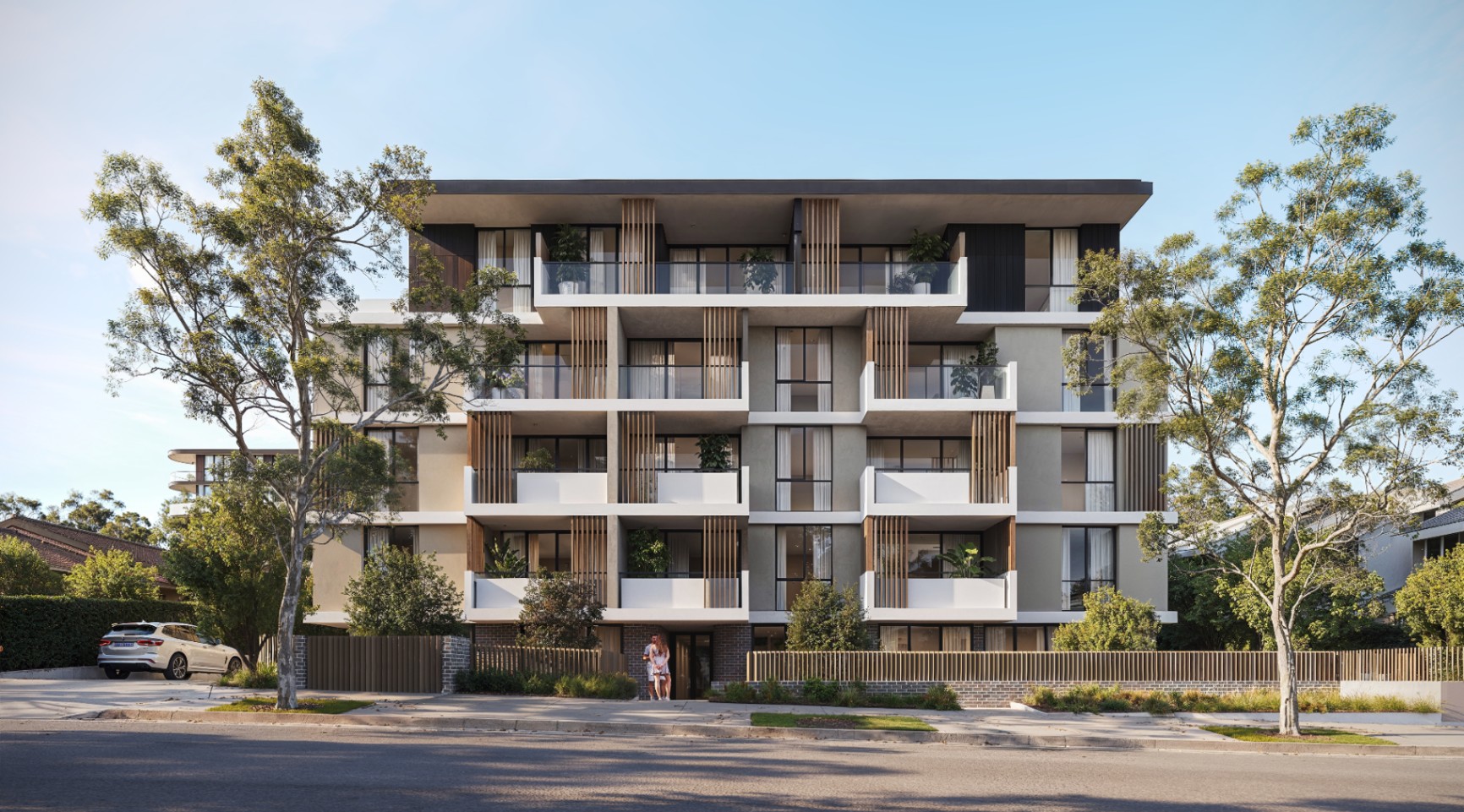 Coposit | Buy with $10K | Heathcote Real Estate Market | Buy Property in NSW
Strickland House | Heathcote NSW | $10K deposit | Secure with $10k and $254 x 140 weeks
Location choices made under financial constraint or time pressure. Location consistently appears as the leading source of post-purchase regret in buyer research. Buyers who compromised on location to meet a budget, took a property in an area they were less familiar with, or made a decision quickly in a competitive market frequently identify location as the thing they would change. This is particularly significant because location is the one aspect of a property that cannot be renovated or changed after purchase.
The specific location regrets vary. Some buyers find the commute longer in practice than it seemed during the search phase, when they visited properties on weekends rather than experiencing the route at peak hour. Others find the neighbourhood character, amenity quality, or access to their regular destinations does not match what they expected. Some discover issues with the specific street or building that were not apparent during the inspection process.
Underestimating the costs that come after settlement. A substantial proportion of post-purchase regret relates to financial stress rather than the property itself. Buyers who stretched to their maximum borrowing capacity with limited financial buffer frequently find the ongoing costs of ownership more demanding than anticipated. Maintenance costs, strata levies that increase, council rates, and the costs of making a property liveable all add up in ways that pre-purchase modelling often does not capture.
This regret is particularly acute for buyers who purchased older properties with deferred maintenance. The price appeared to reflect the condition, but the actual cost of addressing the work, in both time and money, frequently exceeds what buyers estimated before purchasing.
Skipping due diligence under competitive pressure. In fast-moving markets, buyers sometimes waive building and pest inspections, skip strata report reviews, or move to exchange without thorough legal review in order to compete. When problems emerge post-settlement, the regret is sharp and often financially significant. The competitive pressure that led to the shortcut feels very different in retrospect from the comfort of having bought the property.
Buying too small. Buyers who stretched their budget to purchase in a preferred location sometimes end up in a property that is smaller than they needed, particularly as life circumstances change. The addition of a child, a need to work from home, or the requirements of an older family member can all expose the limitations of a space that felt adequate at the time of purchase. Unlike buying too large, buying too small is difficult to solve without selling.
Making decisions based on the presentation rather than the fundamentals. Styling, staging, and cosmetic renovation can make a property very appealing during inspections in ways that obscure the underlying structure, layout, and liveability. Buyers who were drawn in by a well-presented property and did not look as carefully at the fundamentals sometimes find, after the furniture is moved in and the staging is gone, that the space does not work as well as they thought.
 Coposit | Buy with $10K | Brisbane Real Estate Market | Buy Property in QLD
Laya Residences | Taigum QLD | $10K deposit | Secure with $10k and $4,543 x 33 weeks
The pattern of what buyers actually regret, as opposed to what they were worried about before buying, is instructive.
Buyers are typically most anxious before purchase about paying too much, timing the market correctly, or missing out on a better property. These concerns dominate the emotional landscape of the buying process. Post-purchase regret, however, is most commonly about location, financial stress, skipped due diligence, and size. The things buyers worry about and the things they regret are substantially different categories.
This suggests that the buying process directs attention toward the wrong concerns. Competitive pressure, media coverage of property prices, and the social stakes of buying create anxiety about price and timing that can crowd out careful thinking about location quality, financial buffer, and the fundamentals of the specific property.
How Social Media Is Shaping Australians' Expectations of Their First Home covers how external influences on buyer expectations can further distort attention away from what actually determines long-term satisfaction.
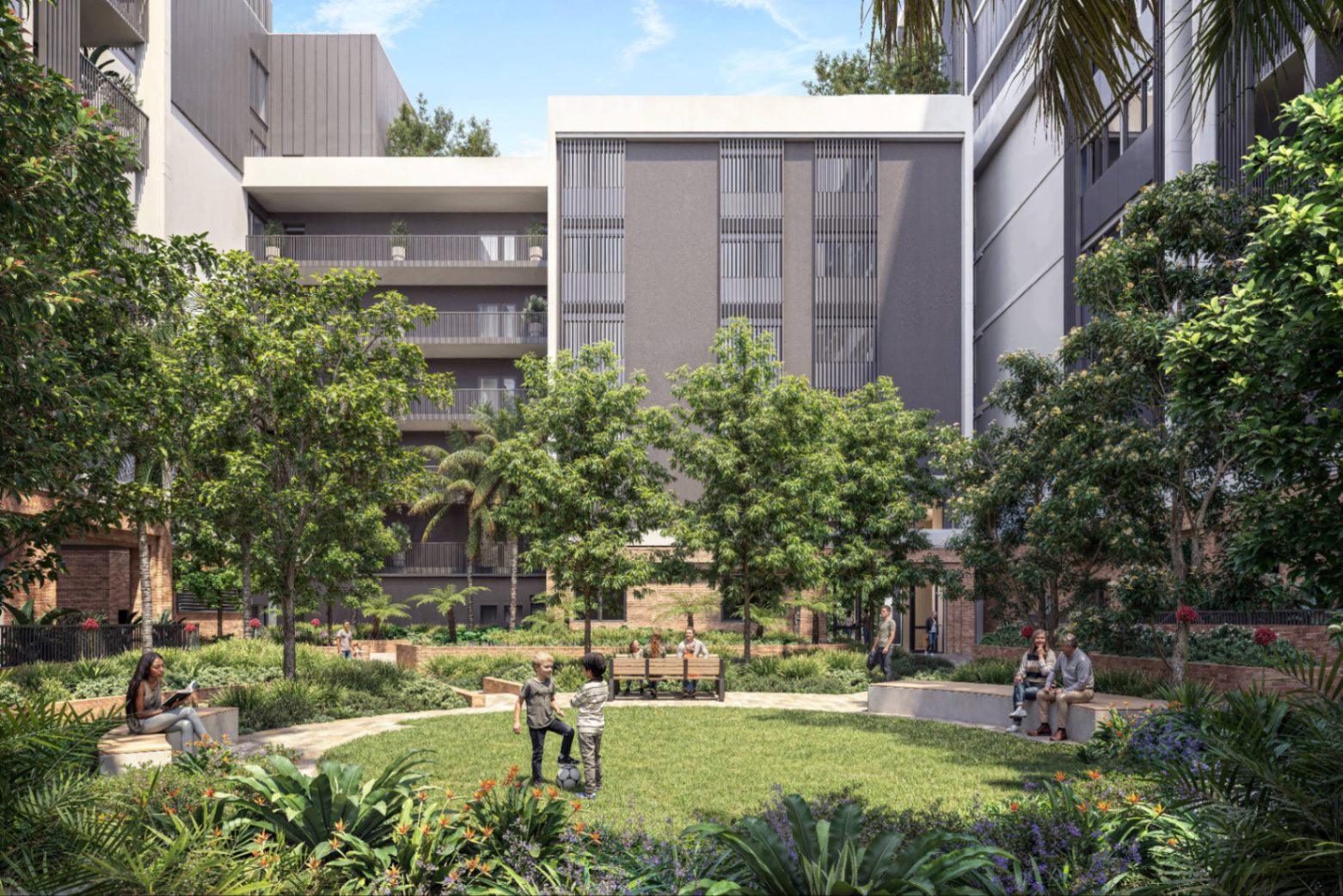 Coposit | Buy with $17K | Sydney Real Estate Market | Buy Property in NSW
Dawn | Melrose Park NSW | $17K deposit | Secure with $17k and $236 x 78 weeks
A few specific practices reduce the probability of the regrets that appear most commonly in post-purchase research.
Visiting the property and neighbourhood at different times. A weekend inspection does not reveal peak-hour traffic, the noise from a nearby venue on a Friday night, or the character of a street when residents are home. Visiting at multiple times before committing to a purchase provides information that a single inspection cannot.
Maintaining a financial buffer after purchase. Buyers who leave themselves with meaningful savings after settlement are significantly less likely to experience regret driven by financial stress. The specific amount depends on individual circumstances, but the principle of not stretching to the absolute limit of borrowing capacity, particularly for older properties with unknown maintenance requirements, appears consistently in research on post-purchase satisfaction.
Prioritising location over presentation. A well-located property in need of cosmetic work can be improved over time. A beautifully presented property in the wrong location cannot be moved. When making trade-offs under budget constraints, the evidence from post-purchase research consistently supports weighting location more heavily than presentation.
Completing due diligence regardless of market conditions. The competitive pressure to move quickly is real, but the financial and emotional cost of discovering a structural problem, a pest issue, or a strata fund in deficit after settlement is typically far greater than the cost of losing a property by taking the time to investigate properly.
Coposit's off-the-plan model offers brand new properties with full structural warranties, no hidden maintenance backlog, and a purchase process that allows time to research the development, the developer, and the location properly before committing. Buyers secure their property with $10,000 upfront and build the deposit during construction. Browse available projects, download the app, or contact the Coposit team to find out more.
Share this article



Follow Coposit:


© 2025 Copyright Coposit.

