

When property prices stop rising or begin to fall, the headlines tend to frame it as straightforwardly bad news. Values are down. The market is cooling. Confidence is dropping. For many people who already own property, that framing makes sense. For first home buyers, the situation is considerably more nuanced.
A cooling market is, in some respects, the moment aspiring buyers have been waiting for. In other respects, it introduces risks and complications that did not exist when prices were climbing and competition was fierce. Understanding what a cooling market actually means in practical terms is more useful than the sentiment the coverage tends to generate.
 Coposit | Buy with $10K | Sydney Real Estate Market | Buy Property in NSW
Concord Central | Concord West | $10K deposit | Secure with $10k and $418 x 151 weeks
Property markets cool for identifiable reasons, and the reason matters significantly for what happens next and for how long the cooling lasts.
Rising interest rates reduce borrowing capacity, which reduces the pool of buyers who can bid on any given property. Fewer competing buyers means less upward pressure on prices. This is the primary mechanism behind the softening seen in Australian markets since 2022, when the Reserve Bank moved from a cash rate of 0.1% to 4.35% in the fastest tightening cycle in decades.
Reduced consumer confidence can also cause buyers who could purchase to hold off, waiting to see whether prices fall further before committing. This creates a self-reinforcing dynamic where fewer buyers lead to lower prices, which leads to more buyers waiting, which leads to fewer transactions and further softening.
Increased supply in specific segments or locations, where more listings come to market than buyers can absorb, also puts downward pressure on prices. This is less common in Australian cities with persistent supply constraints, but it does occur in particular apartment markets or emerging growth areas where development has been active.
A cooling market does not make everything more affordable in equal measure, and the distinction matters for buyers making decisions.
Purchase prices may soften. In a genuine correction, properties that were listed at peak prices get reduced, vendors accept lower offers, and auction clearance rates fall. Buyers who were priced out at the peak may find the same properties within reach.
Borrowing costs may not fall at the same time. If the market cools because interest rates rose, the monthly repayment on a lower-priced property at a higher interest rate may not be meaningfully different from the repayment on a higher-priced property at a lower rate. The purchase price falls, but the cost of financing the purchase does not necessarily improve at the same time.
Competition does reduce, and that has real practical value. In a hot market, buyers face multiple competing offers, tight unconditional deadlines, pressure to waive conditions, and the emotional cost of losing properties repeatedly. A cooling market gives buyers more time to research, inspect, negotiate, and make considered decisions.
What should you research before buying an off the plan property becomes considerably more useful when buyers actually have time to apply it rather than being forced to decide in days. The due diligence that a hot market makes difficult is more achievable when the pace of the market slows.
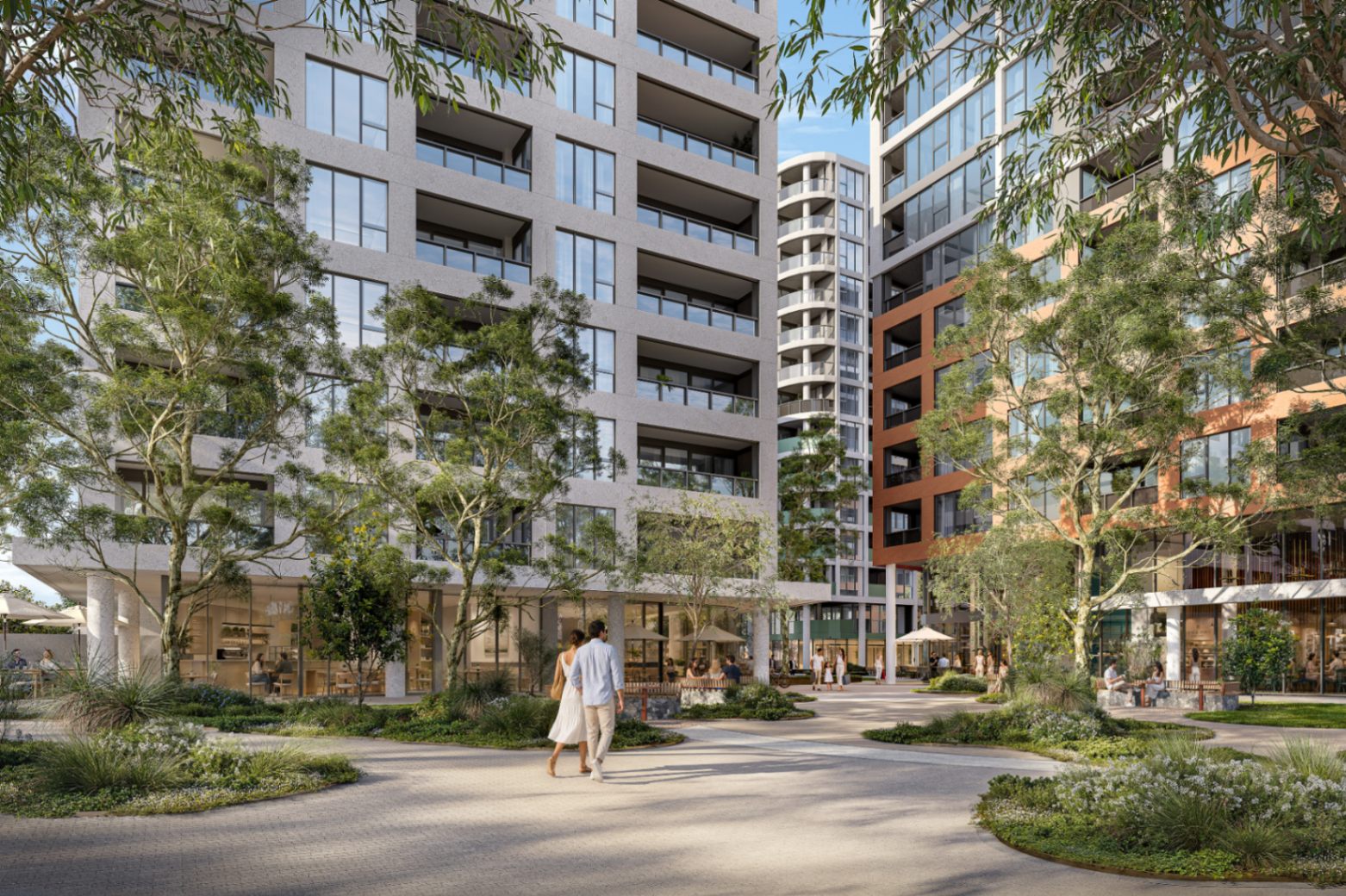 Coposit | Buy with $10K | Canberra Real Estate Market | Buy Property in ACT
Gateway Braddon | Braddon ACT | $10K deposit | Secure with $10k and $72 x 72 weeks
First home buyers who interpret a cooling market as a signal to wait, to see how far prices fall before committing, face a specific risk that is worth naming directly. Property market bottoms are not visible until after they have passed. A buyer who waits for prices to fall 15% before purchasing may find they missed the bottom at 8% and are now watching prices recover.
The practical cost of waiting is also ongoing and concrete. Every month of continued renting is a month of rent paid with no equity being built. The true cost of lifestyle inflation when saving for a home is relevant here, but for many buyers in expensive cities the issue is not lifestyle spending. It is the base cost of rent that consumes what could otherwise be going toward a deposit.
A buyer who waits twelve months in Sydney, paying $800 per week in rent, pays $41,600 during the waiting period. If prices fall 5% on a $750,000 property over that period, the saving is $37,500. The buyer who waited has paid more in rent than they saved in price reduction, and now faces a market that may be recovering.
The genuine benefits for first home buyers in a softer market are worth naming clearly, because they are real even if the headlines focus elsewhere.
More negotiating room. Vendors who listed at peak prices become more willing to negotiate in a softer market. Buyers can submit offers below asking price and have them considered rather than dismissed.
Longer decision timelines. The pressure to sign contracts within days of an inspection, which was common in competitive markets between 2020 and 2022, eases considerably. Buyers can commission building inspections, review contracts properly, and seek independent legal advice without the risk of losing the property to a faster bidder.
Access to properties that were previously out of reach. A 10% correction on a $900,000 property brings it to $810,000, which may be within reach of a buyer who had been priced out at peak conditions.
How much should future plans influence the home you buy today is a useful prompt for buyers in a cooling market, because the extended timeline available for decision-making makes it worth thinking carefully about what the property needs to serve over the medium term, not just the immediate circumstances.
For buyers purchasing off-the-plan, a cooling market in the established property segment creates a useful context. Less competition for new project releases, more willingness from developers to negotiate on inclusions or payment timing, and a smaller buyer cohort means less pressure and more room to assess carefully.
Coposit allows eligible buyers to secure a new property with $10,000 upfront, with the remaining deposit paid in weekly instalments during construction. The structure works in any market cycle and removes the pressure to have a large lump sum assembled at a specific point in time.
Browse current eligible developments on the Coposit projects page, download the Coposit app, or contact the team to understand what is currently available.
Share this article



Follow Coposit:


© 2025 Copyright Coposit.

