

A major shopping centre does not just add retail to a suburb. It changes the suburb. The effects ripple outward through traffic patterns, land values, employment, pedestrian movement, competing businesses, and the way residents experience and describe the area they live in. Some of those effects are positive and immediate. Others take years to play out, and not all of them are what developers or planners anticipated.
Understanding what actually happens when major retail infrastructure arrives in a neighbourhood is useful for anyone living near a proposed development, investing in property in the surrounding area, or trying to make sense of how urban amenity and commercial investment interact.
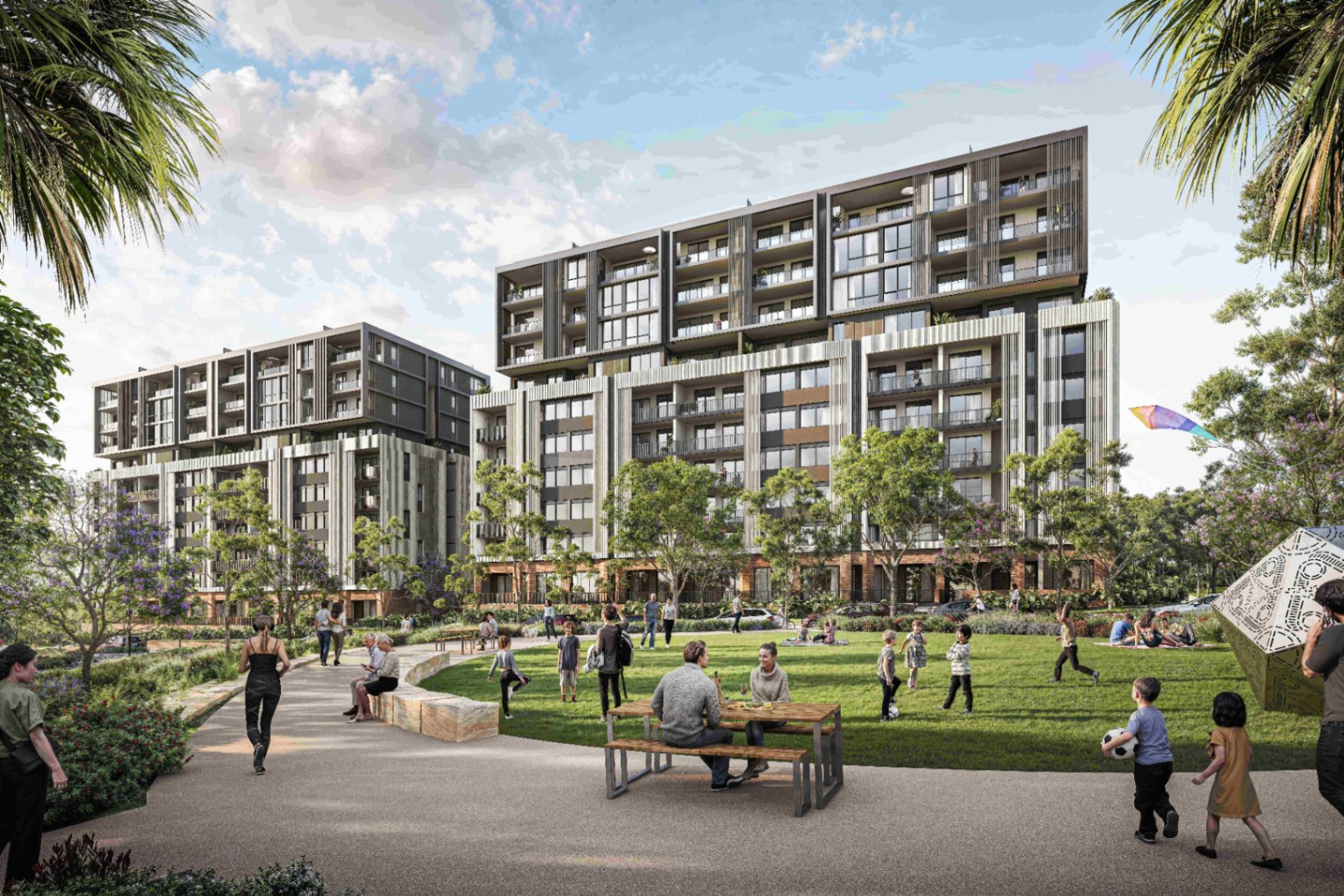 Coposit | Buy with $10K | Sydney Real Estate Market | Buy Property in NSW
In the period immediately following a major shopping centre opening, the most visible changes are increased foot traffic, increased vehicle traffic, and a surge in local employment. Large retail centres are significant employers, and their opening typically creates thousands of jobs in retail, hospitality, cleaning, security, and management roles. Many of those jobs are filled by local residents.
The traffic impact is usually the most contentious in the short term. Roads that were designed for residential volumes suddenly handle commercial volumes, particularly around peak retail periods. Councils and developers typically negotiate traffic management plans as part of the development approval process, but the lived experience of residents near the centre often differs from what the traffic studies predicted.
Nearby businesses experience mixed outcomes. Specialty retailers and hospitality operators within or adjacent to the centre often benefit from the increased foot traffic. Independent retailers in the broader suburb, particularly those competing directly with the centre's tenants, face a more challenging environment. The dynamics depend heavily on the size of the centre, the tenant mix, and how the existing local retail landscape was structured before the development opened.
The relationship between major retail development and surrounding property values is well studied and broadly positive, though the specifics vary considerably by location, centre type, and timing.
Properties within a certain radius of a major shopping centre, typically somewhere between 500 metres and two kilometres, tend to see above-average price growth in the years following opening. The mechanism is straightforward: the centre adds amenity that buyers value, and that increased desirability is reflected in prices.
The effect is not uniform. Properties that are very close to the centre, within 200 or 300 metres, sometimes experience downward pressure from noise, traffic, and the visual impact of large-scale retail infrastructure. The strongest price growth tends to occur in a band slightly further out, where residents can access the amenity without bearing the full cost of proximity.
The timing of price effects matters too. In many cases, significant price growth occurs before the centre opens, in the period after development approval when the future amenity becomes certain but is not yet priced in. Buyers who enter the market in this window often capture value that subsequent buyers pay a premium for.
How to identify suburbs benefiting from infrastructure investment before prices reflect it is relevant here for buyers trying to time their entry around planned development.
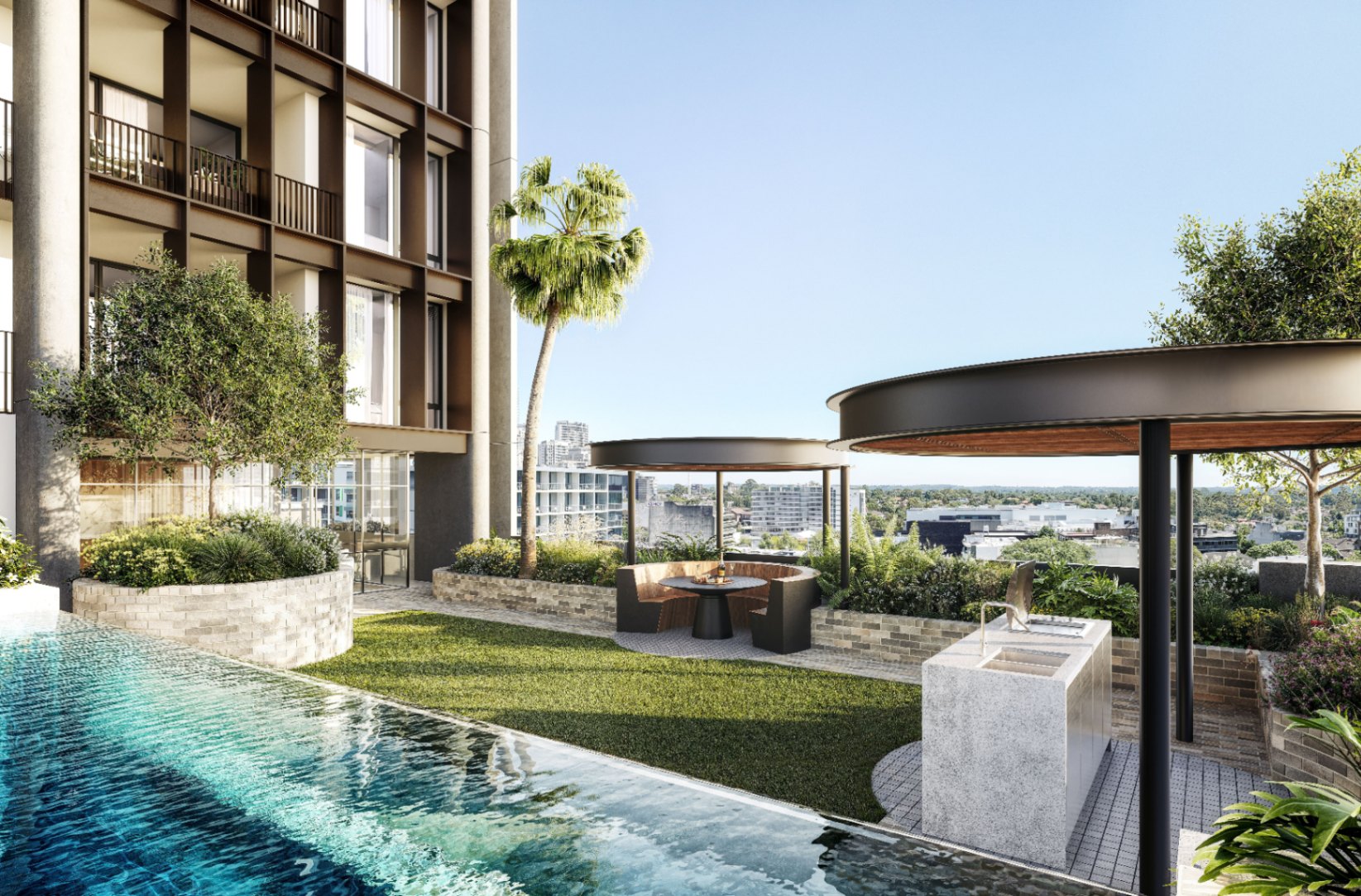 Coposit | Buy with $10K | Sydney Real Estate Market | Buy Property in NSW
Celine | Chatswood NSW | $10K deposit | Secure with $10k and $658 x 152 weeks
Over a longer horizon, the presence of a major shopping centre tends to act as an anchor for broader commercial development. The increased foot traffic and population catchment that the centre establishes makes the surrounding area more attractive for other businesses, from medical centres and gyms to restaurants and professional services. Areas that were underserved commercially before the centre opened often develop a more complete service offering in the decade following.
This secondary development is part of what makes major retail infrastructure a signal of neighbourhood evolution rather than just a retail convenience. The centre itself is one piece of a larger shift in what the suburb offers and how it is perceived.
The downside risk in this longer-term picture is the increasing vulnerability of large format retail to structural changes in consumer behaviour. Shopping centres that were anchored primarily by department stores have faced significant challenges as those tenants have contracted or exited. Centres that have adapted by incorporating entertainment, dining, health services, and experiential retail have generally fared better. The resilience of a specific centre matters for how reliably it continues to drive the amenity effects that support surrounding property values.
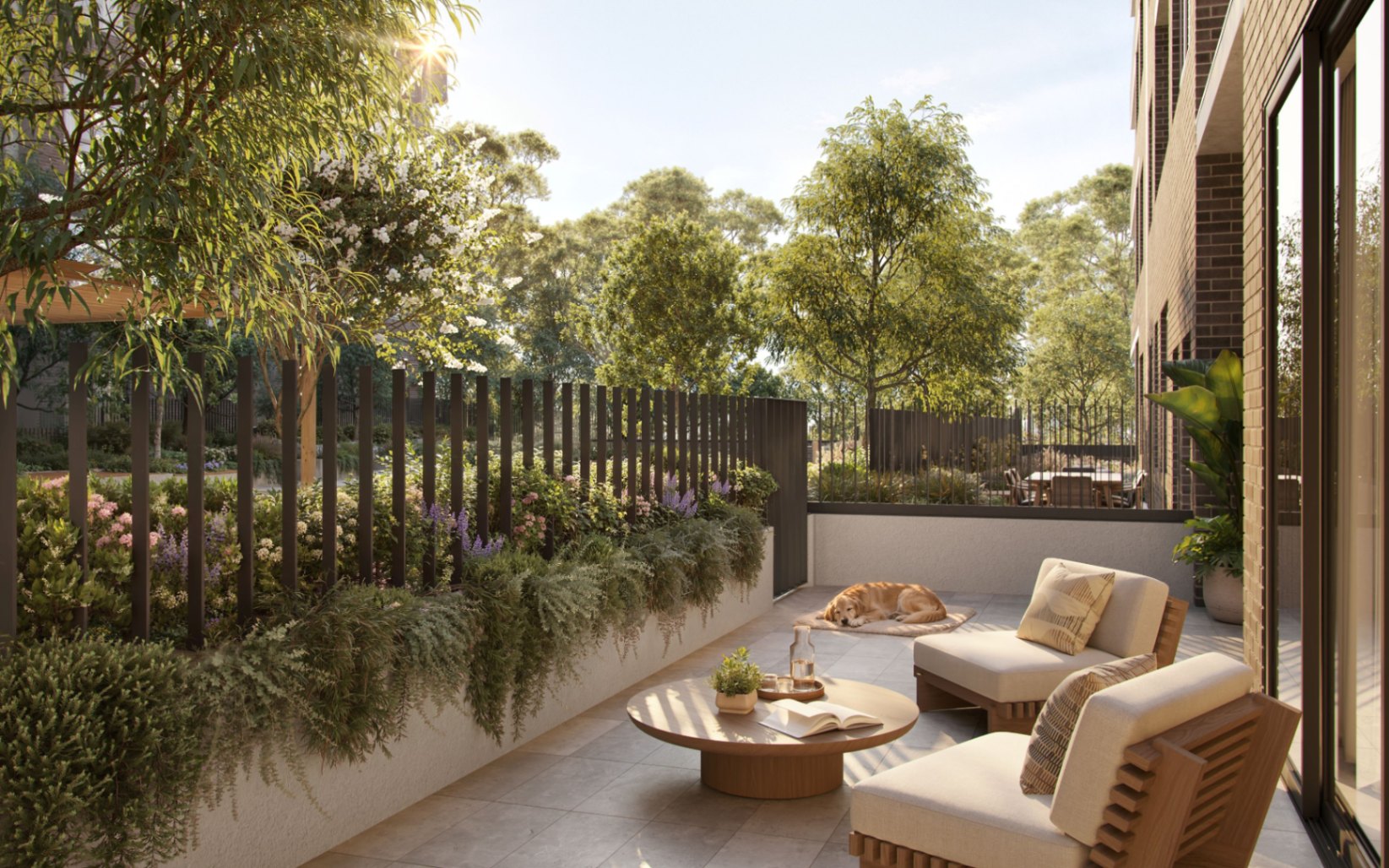 Coposit | Buy with $18K | Sydney Real Estate Market | Buy Property in NSW
Aeris | Melrose Park NSW | Close to Melrose Central | Secure with $18k and $246 x 79 weeks
Urban planners in Australian cities have become increasingly focused on how major retail development integrates with the surrounding urban fabric rather than simply generating foot traffic. The older model of a large enclosed mall surrounded by a sea of car parking has given way, at least in new developments, to a greater emphasis on activated street frontages, pedestrian connectivity, public space, and mixed use.
Centres that integrate housing, commercial space, community facilities, and retail into a single precinct have different effects on the surrounding neighbourhood than standalone retail centres. They tend to generate more diverse activity at more hours of the day, contribute more to the walkability of the area, and create a stronger sense of place that supports the long-term livability of the neighbourhood.
The Future of Australia's Town Centres: More Than Just Shopping covers the evolution of retail-anchored urban centres in more depth.
For buyers evaluating a suburb, the presence or planned arrival of major retail infrastructure is a meaningful signal worth understanding properly. It is not a simple positive or negative but a catalyst that changes the neighbourhood in ways that depend on the specifics of the development and the existing characteristics of the area.
Buyers who understand how these effects play out can use major retail development announcements as one input into a more complete assessment of a suburb's trajectory. The question is not just whether a centre is opening but what kind of centre it is, where it sits relative to the properties being considered, and what secondary development it is likely to catalyse.
To explore projects in areas with strong commercial and infrastructure fundamentals, browse the Coposit projects page, download the Coposit app, or contact the Coposit team.
Share this article



Follow Coposit:


© 2025 Copyright Coposit.

