

Australia's rental market is, by international standards, a market in which tenants hold relatively limited rights and relatively limited security. Leases are typically twelve months, after which landlords can choose not to renew with limited obligation to provide grounds. Rent increases in most states are uncapped or only lightly regulated. Renters can be asked to vacate at the end of a lease without cause in most jurisdictions.
The consequences of this framework are significant for the large and growing proportion of Australians who rent for extended periods. It shapes their financial planning, their ability to form stable households, and their capacity to save toward ownership. Understanding what more secure renting would look like, and what would be required to achieve it, is relevant to anyone navigating the rental market now or planning to do so.
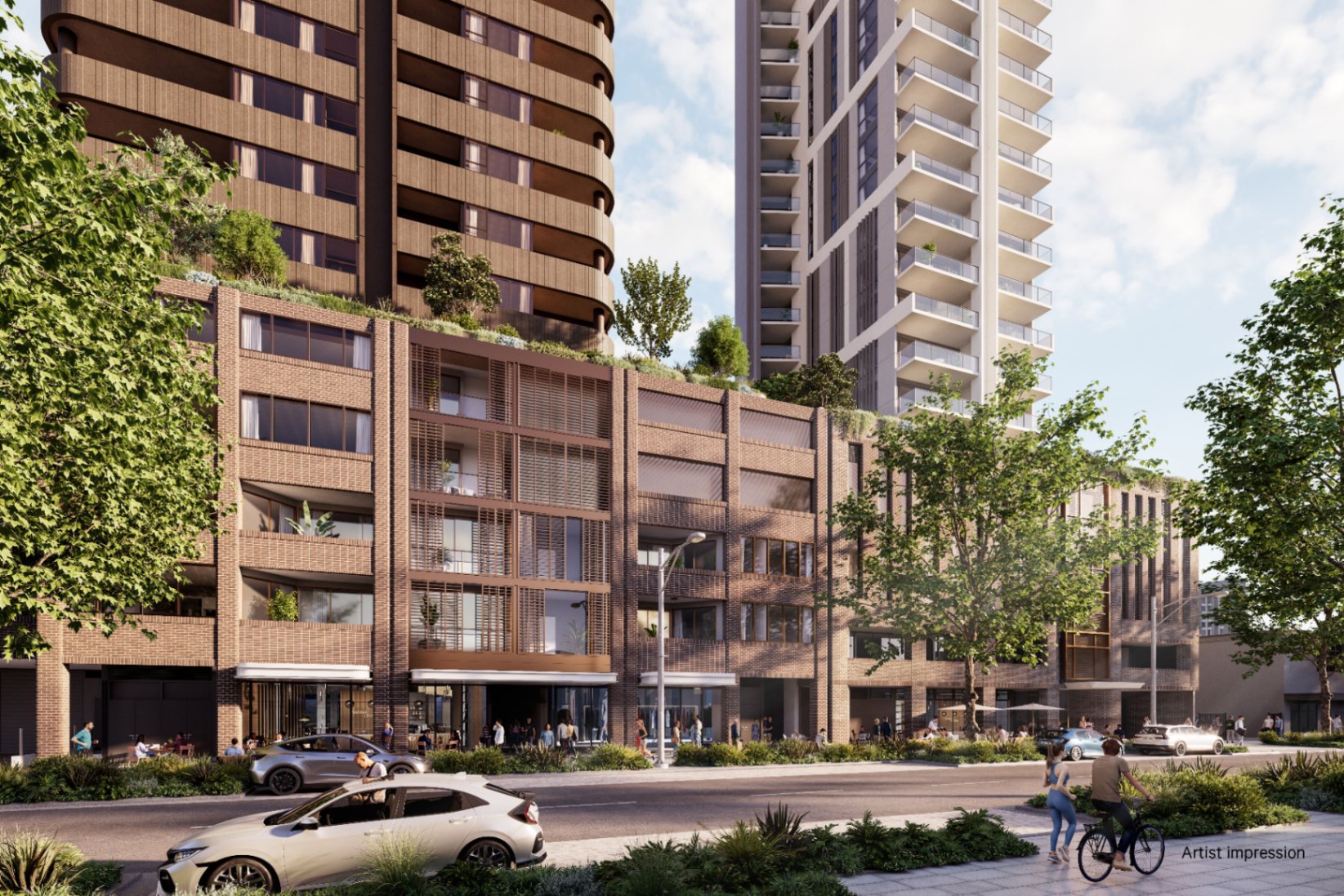 Coposit | Buy with $10K | Newcastle Real Estate Market | Buy Property in NSW
Tempo | Newcastle West NSW | $10K deposit | Secure with $10k and $1000 x 67 weeks
Rental insecurity in Australia manifests in several concrete ways that affect day-to-day financial and life planning.
The uncertainty of lease renewal means renters cannot make long-term plans around their housing with the same confidence an owner can. A renter who enrols a child in the local school and signs a twelve-month lease faces the possibility of that lease not being renewed, requiring a move and potentially a school change. The rational response is to avoid making commitments that depend on housing stability.
Rent increases within or between leases are difficult to budget for with precision. In most Australian states, increases can occur at each renewal or at defined intervals within a fixed-term lease, and the magnitude is subject to limited formal constraint. A renter who has budgeted a specific savings rate faces disruption when a rent increase arrives without warning.
The inability to make the rented property genuinely one's own, through personalisation, minor renovations, or even keeping a pet without landlord permission, reduces the quality of the housing experience in ways that are not purely financial but affect wellbeing.
Why more young Australians are living with their parents longer captures one response to rental insecurity: staying in the family home longer to avoid a rental market that offers limited security and stability. This is a rational choice for those who have the option, and it reflects how the rental market's insecurity is felt even before a tenancy begins.
 Coposit | Buy with $10K | Brisbane Real Estate Market | Buy Property in QLD
Laya Residences| Heathcote NSW | $10K deposit | Secure with $10k and $4,164 x 36 weeks
Australia's approach to rental tenure and regulation sits toward the insecure end of the international spectrum. Several European countries provide useful contrasts.
Germany has rental market structures that include indefinite leases as the norm rather than fixed-term renewals. Landlords who wish to terminate a tenancy must demonstrate a recognised ground for termination. Rent increases are regulated by reference to local market rent indices, limiting the magnitude of increases at any point. German renters live in a market where long-term rental is a stable, mainstream choice rather than a default for those who cannot yet buy. Homeownership rates in Germany are among the lowest in Europe, and the quality of life for renters is not materially lower than for owners.
The Netherlands similarly provides stronger tenure security, with longer notice periods, grounds-based termination requirements, and rent increase regulation for a significant proportion of the rental stock.
The United Kingdom has moved in the direction of increased rental security through the Renters (Reform) Bill, which aims to abolish no-grounds termination and introduce indefinite leases, responding to pressure from a large and growing renter population.
Australian state and territory governments have made incremental moves toward stronger tenant protections over the past decade. Most jurisdictions have introduced some form of minimum standards for rental properties. Victoria introduced a significant package of reforms including grounds-based termination in 2021. Queensland and Western Australia have strengthened tenant protections since 2022.
But the reforms have been incremental and inconsistent across jurisdictions, and core vulnerabilities remain in most markets. End-of-lease non-renewal without grounds is still possible in several states. Rent increase regulation is limited or absent in most jurisdictions outside Victoria.
Could rent-to-own models change the way Australians become homeowners is relevant here. Reform that increases rental security is one policy lever; alternative models that allow renters to transition toward ownership more gradually are another.
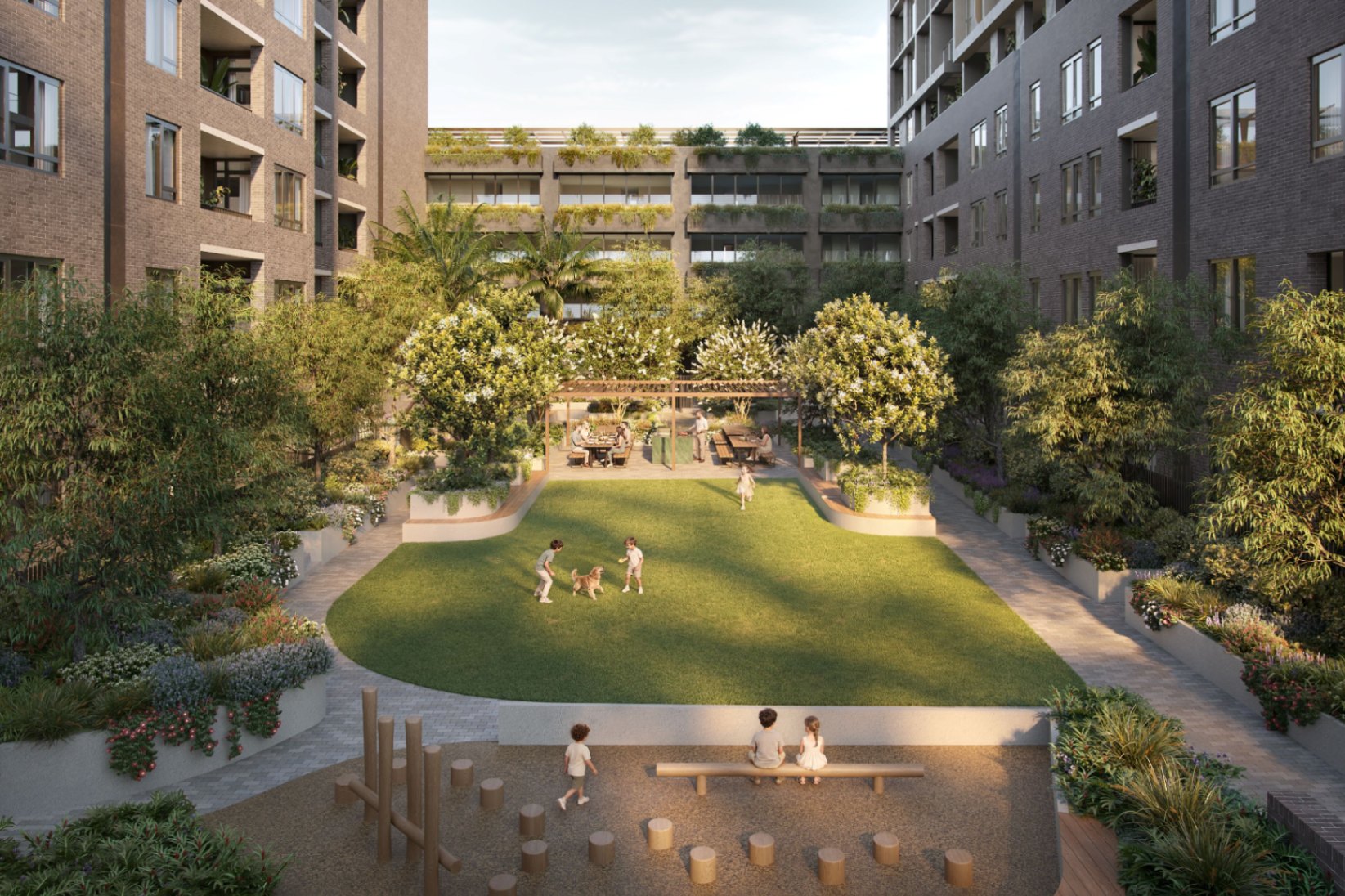 Coposit | Buy with $18K | Sydney Real Estate Market | Buy Property in NSW
Aeris | Melrose Park NSW | $18K deposit | Secure with $18k and $246 x 79 weeks
A rental market that offered genuine long-term security comparable to Germany or the Netherlands would require several interconnected changes.
Indefinite or rolling leases as the default, with grounds-based termination for landlords who wish to end a tenancy, would provide the foundation of security. Mandatory grounds might include the landlord reclaiming the property for personal occupation, sale of the property, or sustained failure of the tenant to meet their obligations. Hardship provisions for landlords with genuine financial need to access capital through sale would need to be balanced with protections against manufactured grounds for termination.
Rent increase regulation that limits the frequency and magnitude of increases would provide planning certainty for tenants. The model used in other jurisdictions links increases to a published index, such as CPI or a local rent index, rather than leaving them at the discretion of individual landlords.
Improved bond administration and faster return of bonds at end of tenancy, combined with clearer dispute resolution processes, would reduce the financial friction of the current system.
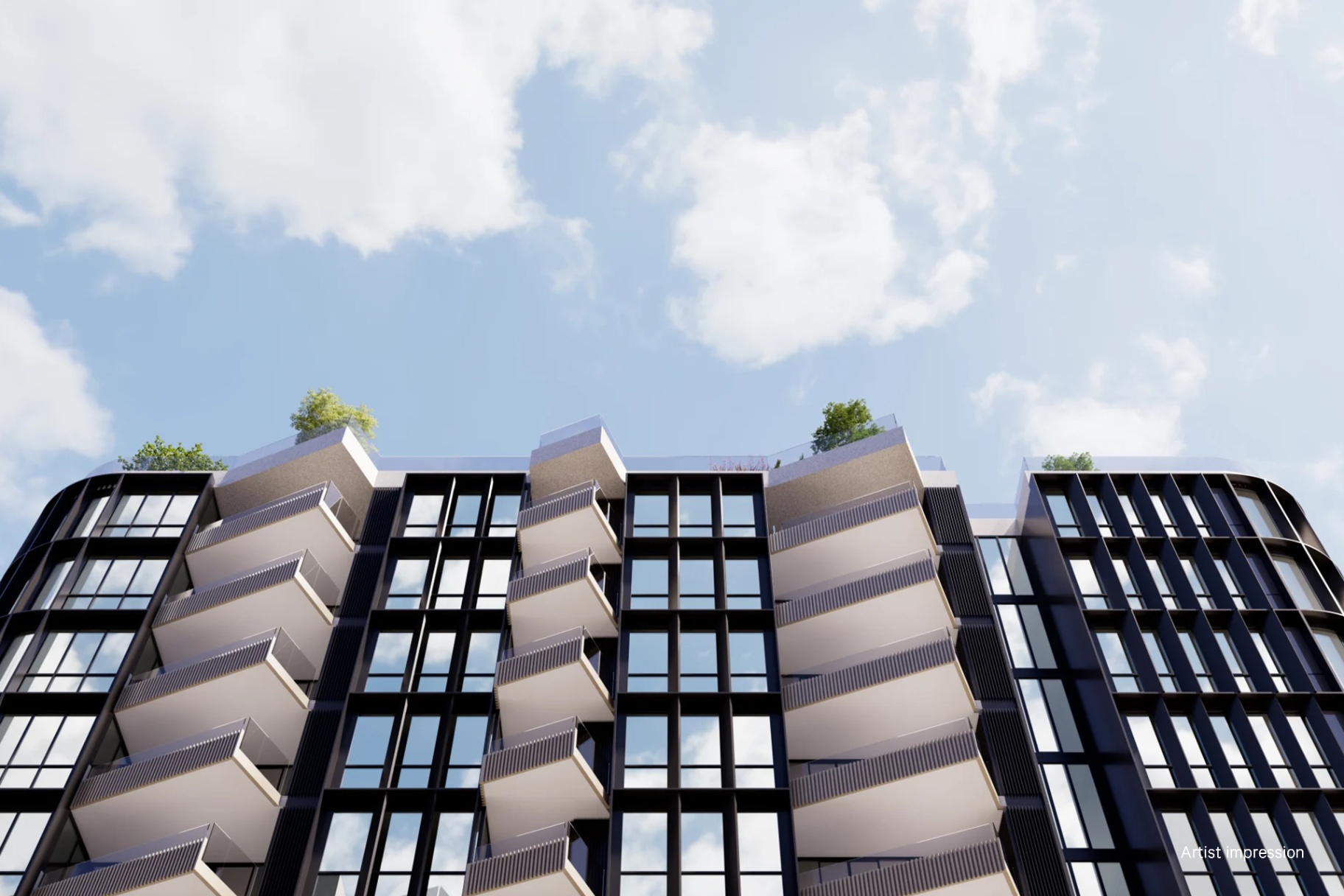 Coposit | Buy with $10K | Sydney Real Estate Market | Buy Property in NSW
Era | New Castle NSW | $10K deposit | Secure with $10k and $1,363 x 58 weeks
Comprehensive reform of the kind described above would face significant opposition from landlord interests and from policymakers concerned about disincentivising investment in rental supply at a time when supply is constrained. The probability of rapid, comprehensive reform is low. Incremental progress across individual jurisdictions is the more realistic expectation.
For renters whose planning cannot wait for policy reform, building toward ownership through mechanisms like Coposit, which allows eligible buyers to secure an off-the-plan property with $10,000 upfront and weekly instalments during construction, offers a path out of the insecure rental market on a timeline that individual action can influence.
Browse current eligible developments on the Coposit projects page, download the Coposit app, or contact the Coposit team to understand how the model works.
Share this article



Follow Coposit:


© 2025 Copyright Coposit.

