

You earn good money. Not extraordinary money, but good money. Around $100,000 a year, which is roughly Sydney's average full-time wage.
You pay your rent on time every month. You put money aside when you can. You have not been reckless with your finances. You have done, more or less, what you were told to do.
And you still cannot buy a property.
This is not a personal failing. It is a structural problem. And it is the most important housing story in Australia right now.
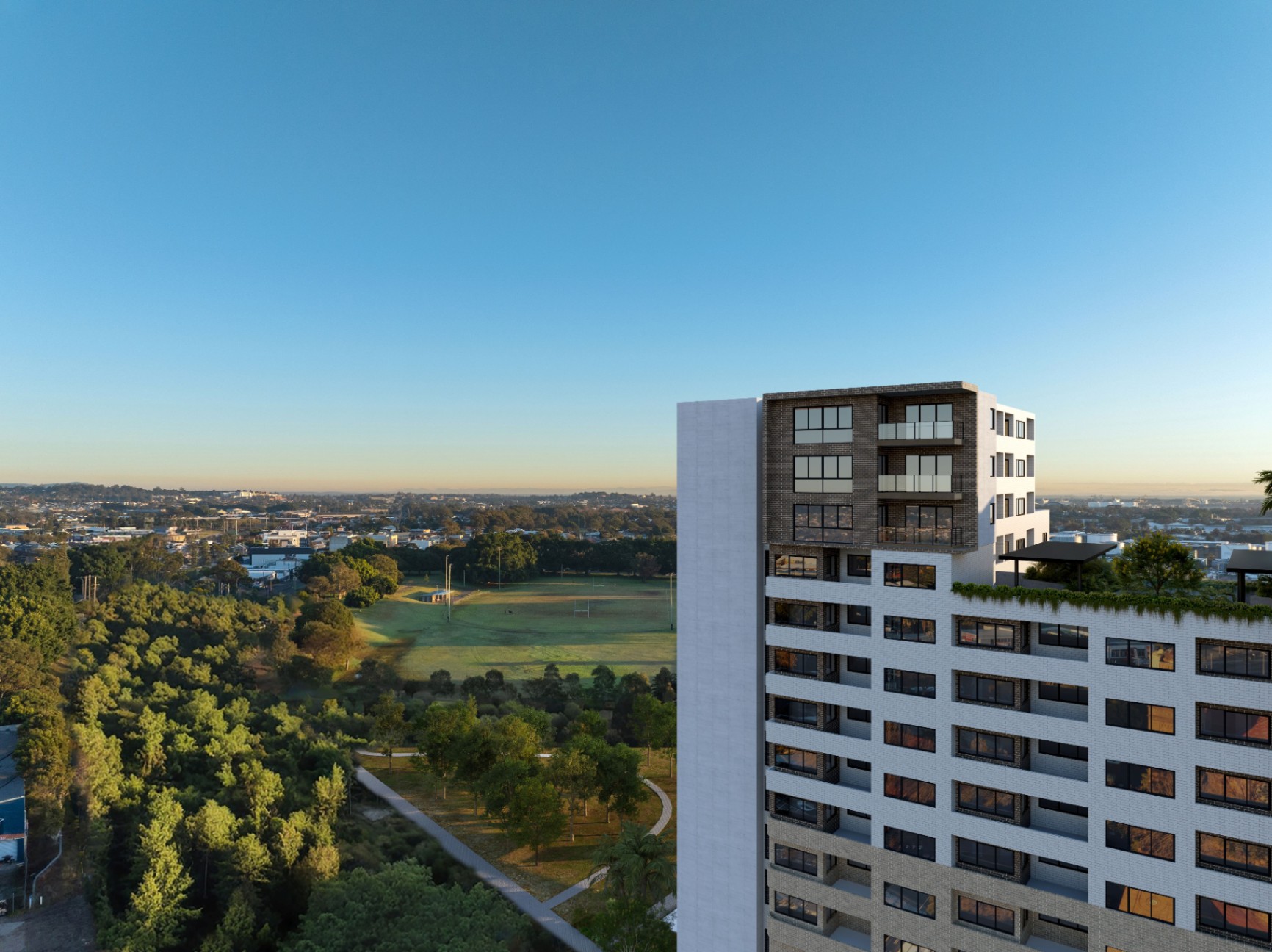 Coposit | Buy with $10K | New Castle Real Estate Market | Buy Property in NSW
Autobiography | Wickham NSW | $10K deposit | Secure with $10k and $715 x 91 weeks
The numbers tell the story more clearly than anything else.
On $100,000 a year, your take-home pay after tax is approximately $73,000, around $1,400 a week.
The median weekly rent for a two-bedroom apartment in Sydney is approximately $720. That is more than half your take-home pay gone before you have bought a single grocery item, paid a utility bill, filled a petrol tank, or set aside a dollar toward a deposit.
What remains after rent, food, transport, utilities, and the general cost of living in one of the world's most expensive cities is often $200 to $400 a week at best. Sometimes less.
Weekly | Annual | |
Take-home pay (after tax) | $1,400 | $73,000 |
Rent (2-bed Sydney median) | $720 | $37,440 |
Remaining after rent | $680 | $35,560 |
Food, transport, utilities | $300 | $15,600 |
Available to save | $380 | $19,760 |
Coposit | Sydney Real Estate Market | $100K Income Breakdown | Where Your Money Goes Before You Save a Dollar
A 10% deposit on a $750,000 apartment is $75,000. At $380 a week of genuine savings capacity, that takes nearly four years, and that assumes rents stay flat, your income stays steady, and nothing unexpected happens. None of those assumptions are safe.
Meanwhile the property you are saving toward does not wait. It rises. The goalposts move. The four-year timeline becomes five, then six, then indefinite.
Rents in Sydney have risen significantly since 2020. In many suburbs, a two-bedroom apartment now costs more per week to rent than a comparable mortgage repayment would cost on the same property. The catch is getting there requires a deposit that rent is preventing you from saving.
"We could get to a point where renting is more expensive than a mortgage but you can't get a mortgage because you don't have enough of a deposit because you're paying rent instead of saving."
That point, for many Sydney renters on $100,000 a year, has already arrived.
The deposit is the lock on the door. And rent is what prevents the key from ever being forged.
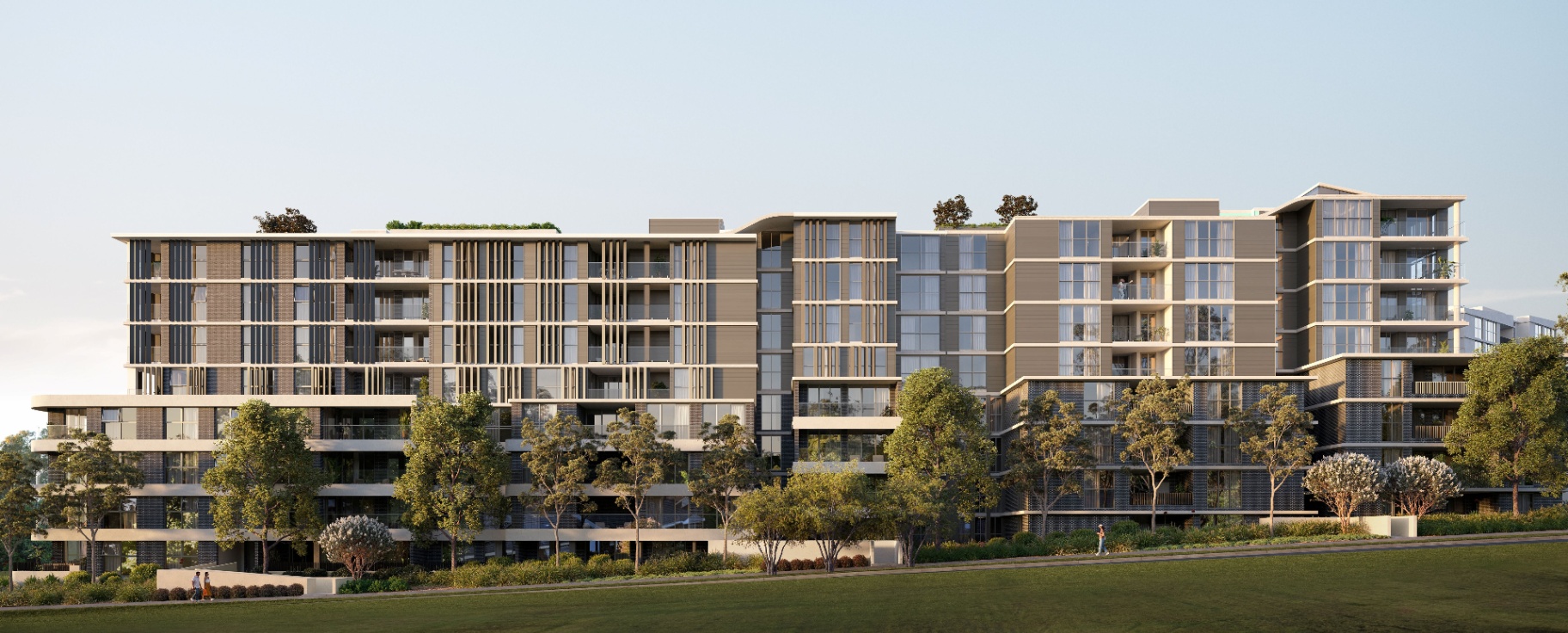 Coposit | Buy with $10K | Sydney Real Estate Market | Buy Property in Castle Hill NSW
Avenue | Castle Hill NSW | $10K deposit | Secure with $10k and $699 x 93 weeks
There is a persistent myth that lenders scrutinise every Uber Eats order and that cutting takeaway is the key to getting a loan approved. The reality is more nuanced. Lenders do assess living expenses and discretionary spending, but the occasional takeaway is not a deal breaker. The bigger problem is structural, not behavioural.
A renter who cuts their expenses by $100 a week, a meaningful lifestyle reduction, adds $5,200 to their annual savings. On a deposit target of $75,000, that moves the timeline from five years to four and a half. It does not solve the problem. It just makes the wait slightly shorter while the market continues to move.
The Sydney renter on $100,000 who still cannot buy is not failing. They are caught in a system that was not designed for the market they are living in.
Individual behaviour change works at the margins. What actually changes the deposit equation is structural.
Government schemes reduce the threshold. The First Home Guarantee's 5% deposit without LMI cuts the required savings from $75,000 to $37,500 on a $750,000 purchase. That is meaningful. But even $37,500 takes two to three years to accumulate on the savings capacity most Sydney renters on $100,000 actually have.
Off-the-plan purchasing with a staged deposit changes the dynamic more fundamentally. Rather than needing the full deposit before acting, a renter can commit to a purchase with $10,000 upfront and pay the remaining deposit through weekly instalments over the construction period.
Concord Central in Concord West can be secured with $10,000 upfront and $371 weekly over 170 weeks through Coposit. A renter currently paying $720 a week in rent adds $371 to their weekly outgoings and builds toward ownership while still in their rental. It is not painless. But it is a mechanism that actually breaks the cycle.
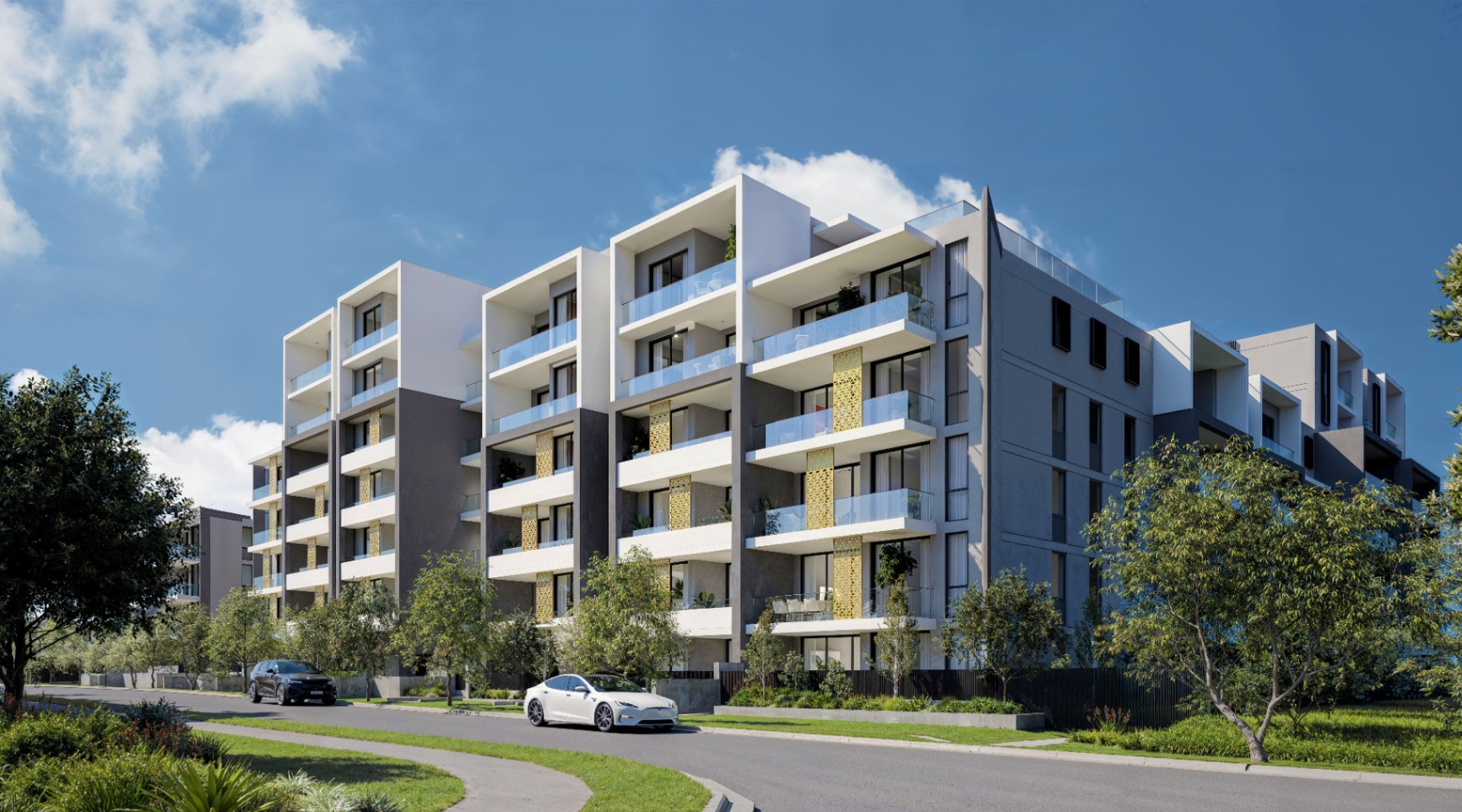 Coposit | Buy with $10K | Sydney Real Estate Market | Buy Property in Castle Hill NSW
Kew | Tallawong NSW | $10K deposit | Secure with $10k and $511 x 95 weeks
Saving harder within the traditional renting model has limits. For many renters, the biggest challenge isn't affording a mortgage. It's building a deposit while paying rent every week.
Unrent by Coposit takes a different approach. Instead of rent disappearing into a landlord's equity, eligible participants move into a participating home and make weekly payments that accumulate towards their own deposit. Once the required deposit and finance conditions are met, they can complete the purchase.
If you're ready to buy today, explore eligible Sydney developments on the Coposit projects page. If you're not deposit-ready yet, Unrent by Coposit offers a different pathway from renting to home ownership. Download the Coposit app or contact the Coposit team to find out which option suits your situation.
Share this article



Follow Coposit:


© 2025 Copyright Coposit.