

For buyers who are new to off-the-plan purchasing, discovering that a development has already sold out before any construction has commenced can seem puzzling. How can buyers commit to something that does not yet exist in any physical form? And why would a well-informed buyer choose to do that rather than wait until the building is complete and can be properly inspected?
The answer to both questions lies in how off-the-plan developments are structured financially, what early buyers gain from committing before construction, and why developers need those pre-sales to get projects funded and started.
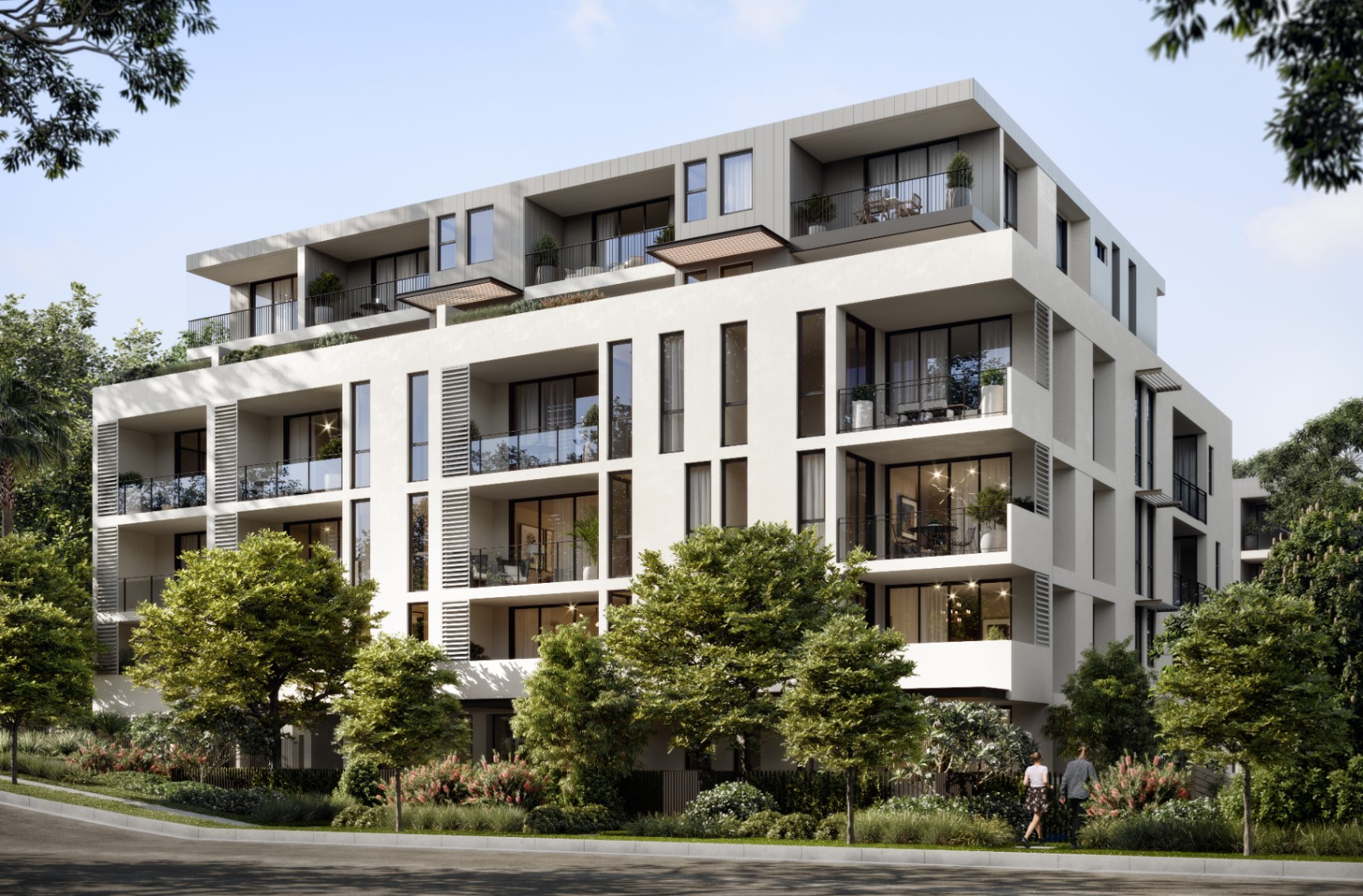 Coposit | Buy with $10K | Sydney Real Estate Market | Buy Property in NSW
The off-the-plan sales process is not purely a marketing exercise. It is a financing mechanism without which most residential developments in Australia cannot proceed.
Construction lenders, the banks and non-bank lenders who provide the debt that funds residential development, require developers to demonstrate sufficient pre-sales before they release construction funding. The pre-sales threshold varies by lender and by project characteristics, but typically sits at 50 to 70% of total apartments sold. The lender's logic is straightforward: if most of the building has already been sold, the risk that the project will fail to generate sufficient revenue to repay the construction loan is substantially reduced.
For developers, this means that conducting a pre-sales campaign before construction begins is not optional. It is the mechanism that unlocks the ability to build. Pre-sales are the key that opens the construction finance door. Without them, even a well-located, well-designed project from an experienced developer does not proceed.
How early can you buy an off the plan apartment explains the timeline from project launch through to settlement and how buyers fit into that sequence at different points.
If pre-sales are driven by developer financing need, the motivation of buyers who commit early deserves equal examination.
Price certainty is the most commonly cited reason. Off-the-plan apartments are typically priced at the time of contract signing, not at the time of settlement. In a market where prices are rising, a buyer who signs a contract for $750,000 and settles two years later when comparable properties are valued at $850,000 has captured $100,000 in price appreciation before moving in. This capital growth during the construction period is the primary financial incentive for buying early.
Choice is the second major advantage. Early buyers have access to the full range of floor plans, levels, and orientations that the development offers. The corner apartment on the top floor with two aspects and a harbour view is available to whoever commits first. Buyers who enter the project later choose from what earlier buyers have left.
Which apartment level is best to buy off the plan and what should you look for in an off the plan floor plan cover the selection criteria that matter most when choosing from the available inventory, both of which are more relevant for early buyers who actually have meaningful choice.
Preparation time is a third advantage. A buyer who signs a contract eighteen to twenty-four months before expected settlement has a structured period to save additional funds, arrange finance closer to settlement, and prepare for the financial commitment without the immediate pressure of a settled property. The construction period functions as an extended preparation window.
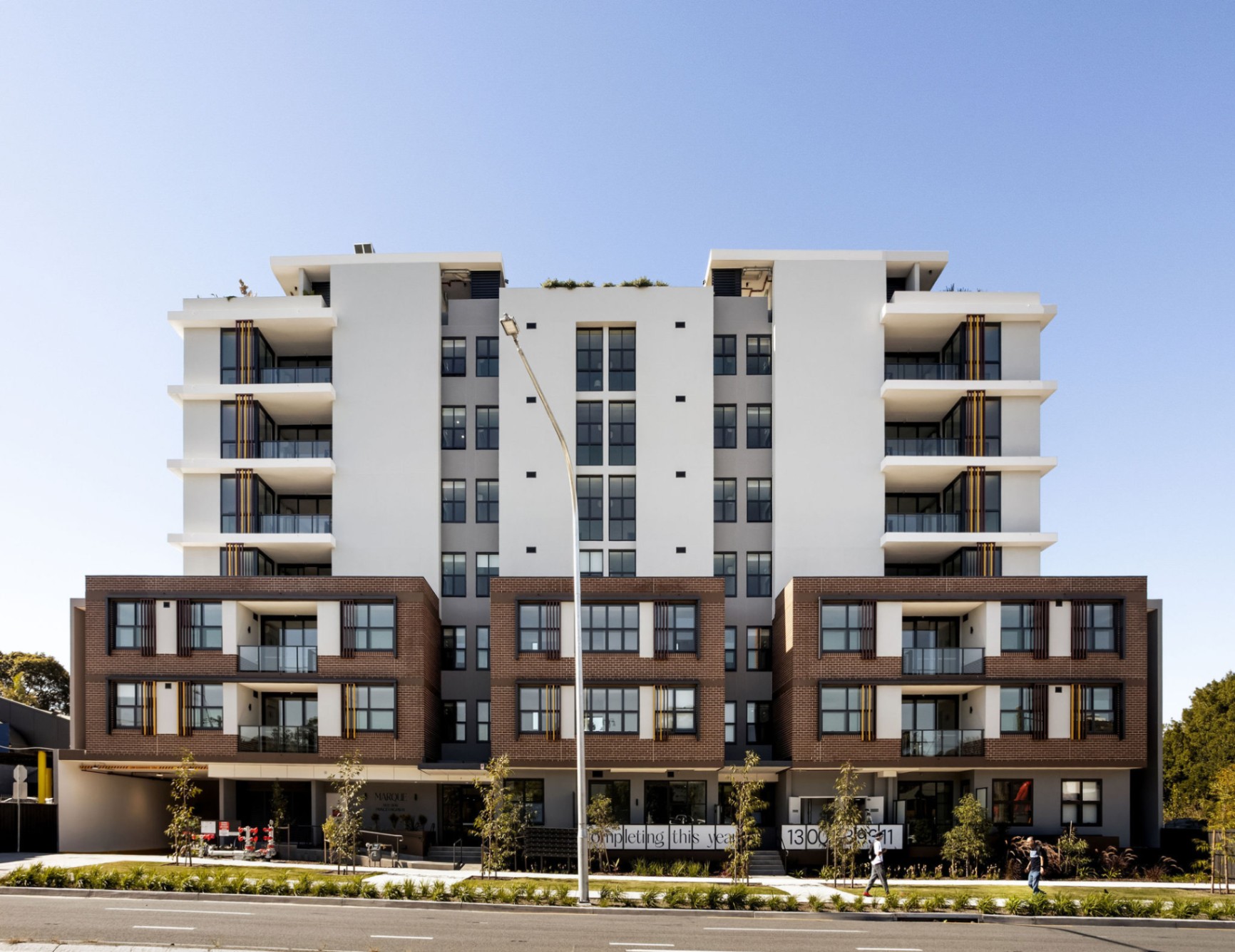 Coposit | Buy with $10K | Sydney Real Estate Market | Buy Property in NSW
Committing to a property that does not yet exist carries specific risks that buyers should understand clearly before signing.
Settlement risk arises if property values fall between contract signing and settlement. A buyer may be required to settle at a price higher than the current market value, with a bank valuation that does not support the original purchase price. What happens if your property valuation comes in low at settlement explains exactly what this scenario looks like and what options buyers have if it occurs.
Project risk includes the possibility that a development is delayed, materially changed in scope, or in rare cases not completed. Builder insolvency, planning complications, and financing problems can all affect delivery. How do you research a property developer before buying covers the background assessment that helps buyers evaluate how likely a developer is to deliver.
Specification risk is the possibility that what is built differs in some way from what was contracted. Contracts allow for substitutions of materials and finishes within tolerances, and buyers should review what variations are permitted and what recourse they have before exchange.
The practical consequence of the dynamics described above is that the most desirable apartments in any given development sell first, and typically before construction begins. Informed buyers who understand the structure and have done their research move early. The premium apartments, the best floors, the best orientations, the corner units with multiple aspects, go to whoever is ready to commit in the early release.
By the time a development is under construction and selling residual stock, the premium product is typically gone and prices may have increased as the project has progressed and market conditions have evolved.
Coposit allows eligible buyers to access off-the-plan opportunities with $10,000 upfront and weekly deposit instalments during construction, a structure that makes early commitment accessible without requiring a large cash deposit at contract.
Browse current eligible developments on the Coposit projects page, download the Coposit app, or contact the team to see what is currently available before it sells.
Share this article



Follow Coposit:


© 2025 Copyright Coposit.

