

When buyers research a new property, they focus naturally on the purchase price, the deposit required, and what the monthly mortgage repayment will look like. Construction costs, what it actually costs to build the building they are buying into, feel like the developer's concern rather than the buyer's.
But construction costs shape almost everything about what is available to buy, at what price, and when. A buyer who understands how they work and why they matter has a significantly more accurate picture of the new property market than one who focuses on the headline purchase price alone.
Building a residential development involves a wide range of cost inputs that move independently of each other and independently of the property market itself.
Labour is typically the largest variable. Residential construction is deeply trade-intensive. Concreters, carpenters, plumbers, electricians, plasterers, tilers, and painters all work at market rates that reflect supply and demand in the construction labour market. When skilled trades are scarce, wages rise. Australia's construction labour market has been tight for several years as residential and commercial construction activity has competed for the same pool of workers, and wages have risen accordingly.
Materials cover structural elements including concrete, steel, and timber framing, along with cladding, roofing, windows, internal fitout components, and finishes. Material costs are exposed to global supply chains and commodity price movements. The disruptions of 2021 and 2022 drove sharp increases in materials pricing across multiple categories, and while conditions have stabilised, prices have not returned to pre-pandemic levels.
Finance costs affect developers in a way that is often overlooked in public discussions of construction costs. Construction loans carry interest from the moment funds are drawn down to the point the building is sold or refinanced into a permanent structure. When interest rates are high, the cost of carrying a construction loan increases, and that cost is either absorbed into the developer's margin or passed through to buyers in the form of higher prices.
Compliance and approvals costs have risen steadily over time as building code requirements have become more comprehensive and as council fees, building certifier costs, and the engineering and design consultant work required to satisfy those requirements have grown with them.
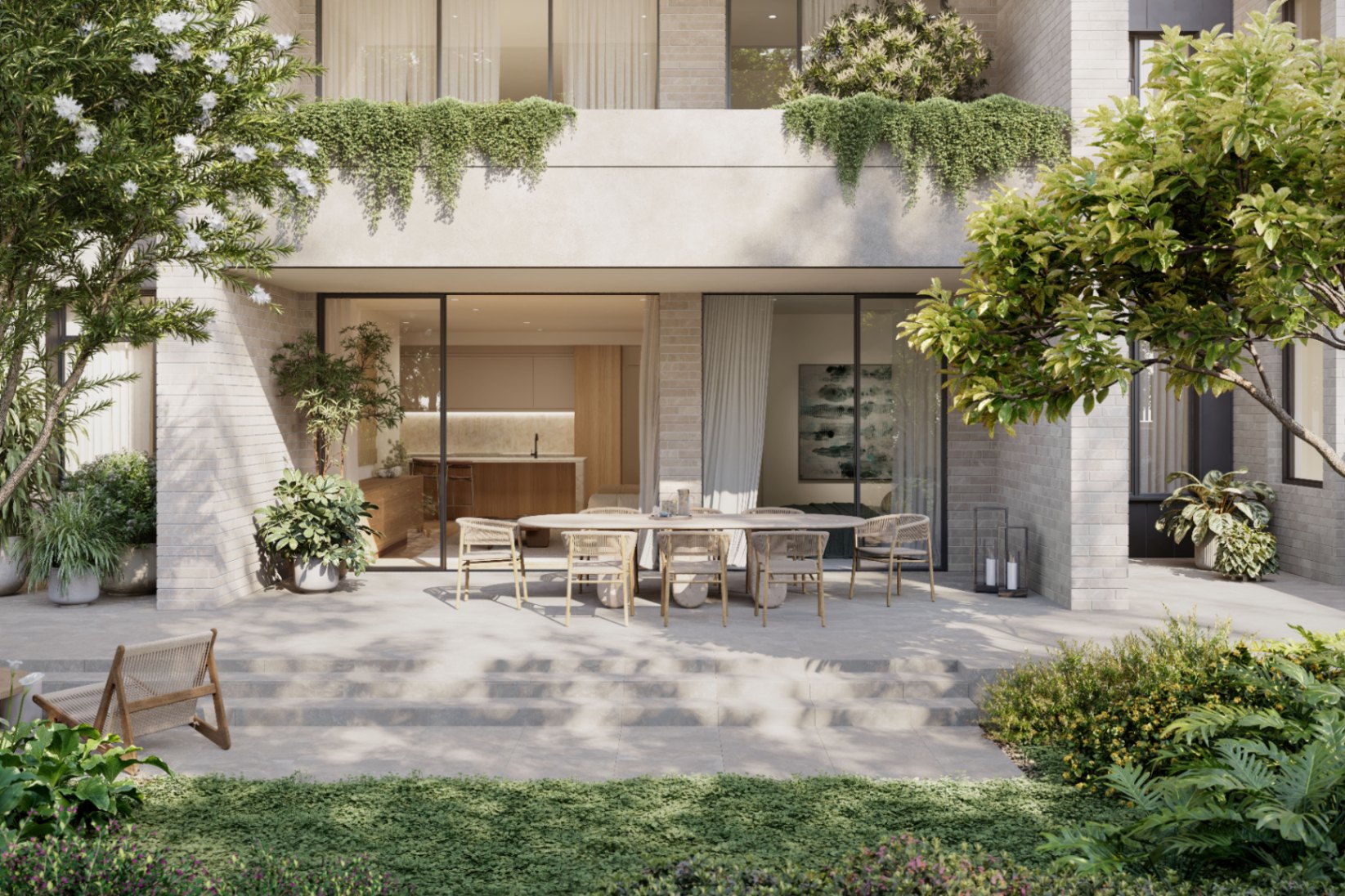 Coposit | Buy with $10K | Sydney Real Estate Market | Buy Property in NSW
The Cowan | St Ives NSW | $10K deposit | Secure with $10k and $1,750 x 100 weeks
The connection between construction costs and buyer outcomes is more direct than many buyers appreciate.
Construction costs create price floors. A developer cannot sustainably sell apartments for less than the fully loaded cost of building them. When construction costs rise, the minimum viable sale price rises with them. This is a key reason why entry-level apartment prices in major cities have not fallen as sharply as some buyers anticipated, even in softer market conditions. The floor is set by what it actually costs to build the product.
Why Australia's housing shortage is about more than just building more homes covers the supply side dynamics that sit behind this. When construction costs rise to the point where development is not financially viable at the prices buyers will pay, projects do not proceed. Supply does not grow. The shortage persists.
Project timelines are also affected by cost pressures. When costs rise faster than expected during a project's delivery, developers may seek additional equity, renegotiate construction contracts, or pause aspects of the program while market conditions improve. For buyers who have already exchanged contracts, those delays mean a longer wait for settlement. Why does the completion date matter when choosing an off the plan property addresses the timing dimension that construction cost pressure can affect.
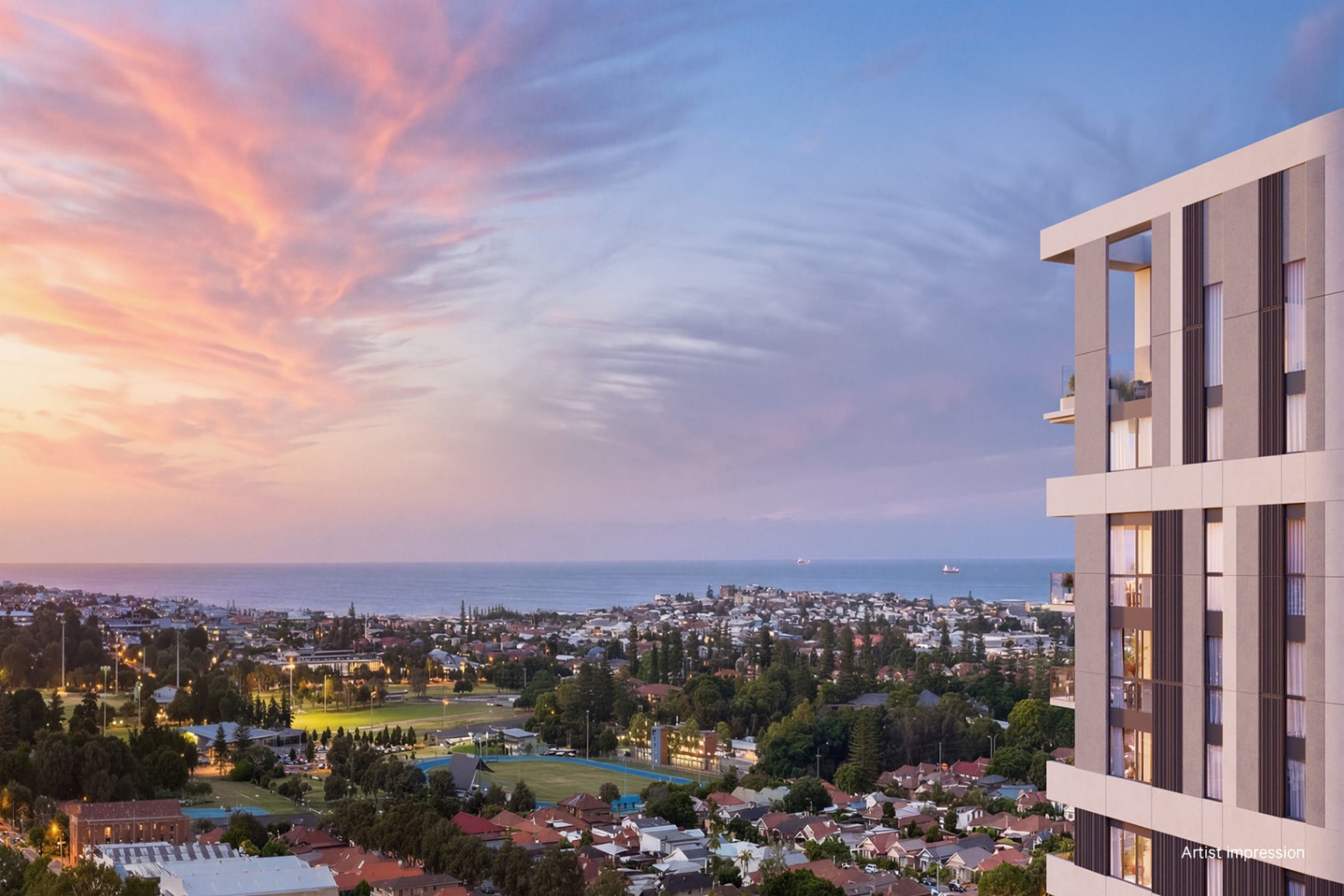 Coposit | Buy with $10K | Newcastle Real Estate Market | Buy Property in NSW
Tempo | Newcastle West NSW | $10K deposit | Secure with $10k and $1000 x 67 weeks
Builder insolvency represents a more serious risk when construction costs rise faster than the fixed-price contracts builders have committed to. The period between 2022 and 2024 saw a notable increase in Australian builder insolvencies as companies found themselves completing projects at a loss. For buyers in affected developments, the experience created significant uncertainty about completion timelines and outcomes.
For buyers considering off-the-plan or newly completed properties, awareness of construction costs translates into a practical set of questions worth raising before committing.
Has the developer secured a fixed-price construction contract? A fixed-price contract transfers cost risk from the developer to the builder, which is better for the developer's certainty and therefore for buyers, but it also means the builder is absorbing risk that may affect their financial position if costs exceed what the contract allows.
How do you research a property developer before buying covers the background checks that help buyers assess how experienced a developer is in managing projects through periods of cost pressure.
Is the construction progressing as planned? A development that has commenced and is advancing on schedule carries meaningfully less risk than one that is still in pre-sales with construction yet to begin.
Off-the-plan properties available through Coposit are secured with $10,000 upfront, with the remaining deposit paid in weekly instalments during the construction period. Browse current developments on the Coposit projects page, download Coposit the Coposit app, or contact the Coposit team to understand the construction status and delivery timeline of specific projects.
Share this article



Follow Coposit:


© 2025 Copyright Coposit.

