

It happens to almost everyone who has seriously looked for a property. You walk through a home, or scroll through the listing for the twentieth time, and something shifts. You start mentally placing your furniture. You imagine the morning light in the kitchen. You picture the first dinner party, the first Christmas, the garden in summer. You have not made an offer. You do not own it. And yet, somehow, it already feels like yours.
This emotional attachment to properties before purchase is one of the most consistent and least-discussed features of the Australian property market. It affects first home buyers and experienced investors alike. It influences decisions in ways that are not always rational. And understanding why it happens, and what to do about it, is genuinely useful for anyone navigating a property search.
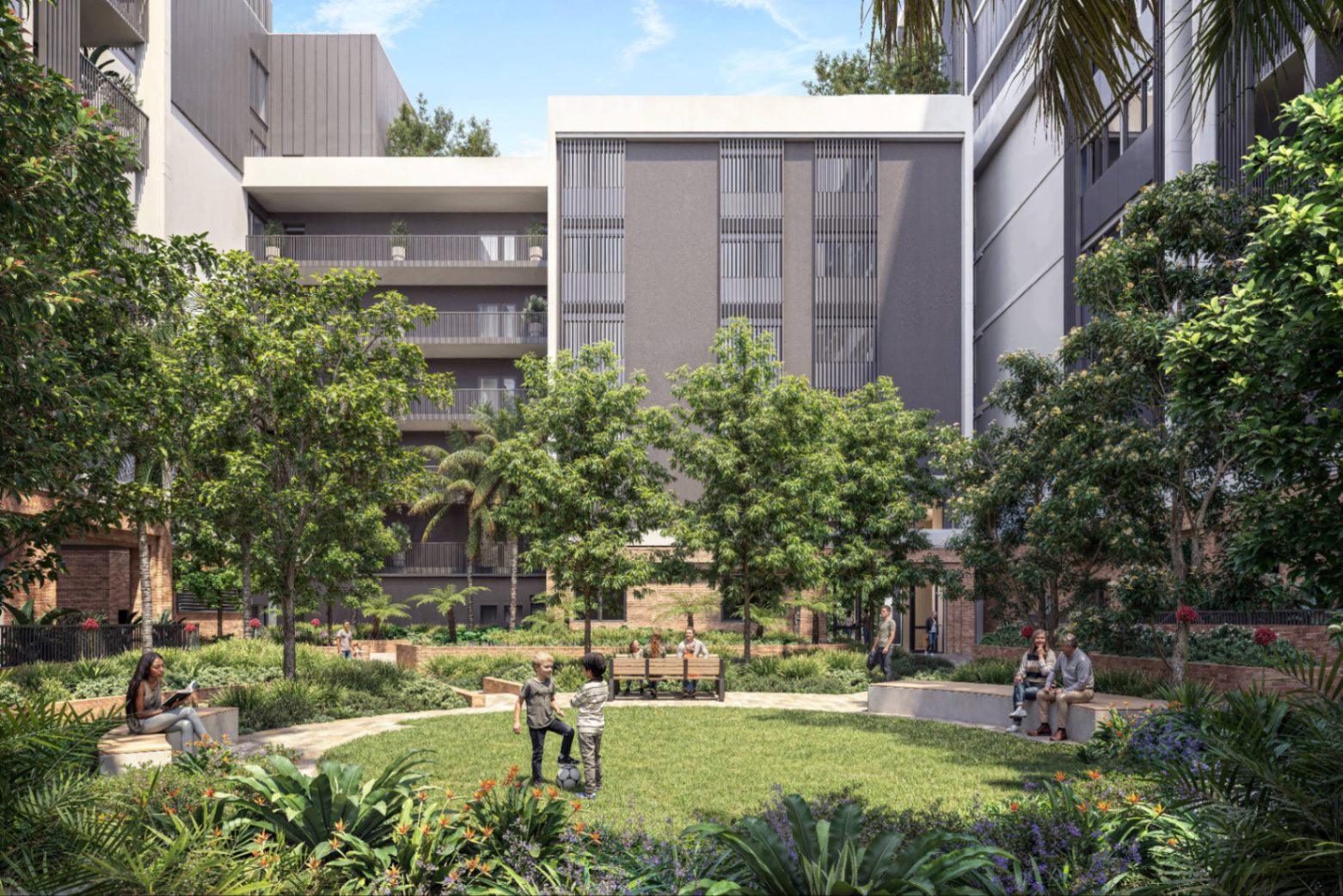 Coposit | Buy with $17K | Sydney Real Estate Market | Buy Property in NSW
Dawn | Melrose Park | $17K deposit | Secure with $17k and $236 x 78 weeks
The phenomenon has a name in behavioural psychology: the endowment effect. It describes the tendency for people to overvalue things once they feel a sense of ownership over them, even when that ownership is entirely imagined. The classic experiments involved giving participants a coffee mug and immediately asking them to sell it. They consistently demanded more than participants who were simply asked to buy the same mug. Ownership, real or imagined, changes how we value things.
In a property context, the endowment effect kicks in remarkably early. A floor plan walkthrough, a set of photographs, even a street view that places the property in a neighbourhood you have already decided you like, can be enough to trigger a mild sense of psychological ownership. By the time you have attended an open home, you are often well down the path of imagining ownership in ways that make the property feel like something you stand to lose rather than something you are yet to gain.
That shift from potential gain to potential loss is significant. Prospect theory, developed by Daniel Kahneman and Amos Tversky, established that the psychological pain of losing something is roughly twice as powerful as the pleasure of gaining the same thing. Once a buyer has emotionally claimed a property, missing out on it feels like a loss, and the aversion to that loss can drive decisions that cool-headed analysis would not support.
The structural features of the Australian property market intensify the emotional dynamics that exist in any property search.
Auction culture is a significant contributor. The public, competitive, time-pressured nature of auctions creates exactly the conditions that amplify emotional decision-making. You are surrounded by other people who want what you want. The clock is running. The auctioneer is skilled at creating urgency. And you have almost certainly already spent weeks imagining living in the property that is now being sold to whoever bids highest in the next five minutes.
The scarcity narrative that runs through Australian property media reinforces the fear of missing out that makes attachment feel urgent. When the dominant story is that good properties are rare, competition is fierce, and the market always goes up, the emotional cost of not securing a property you have become attached to feels higher than it might otherwise.
Supply constraints in desirable suburbs are real, which means the scarcity narrative is not entirely manufactured. This makes it harder to rationally discount the emotional pull of a property because the fear that this particular opportunity will not come again sometimes reflects genuine market conditions rather than just anxiety.
The Fear of Buying at the Wrong Time: How It Shapes Property Decisions covers the related phenomenon of market timing anxiety and how it interacts with the emotional pressure of individual purchase decisions.
 Coposit | Buy with $19K | Sydney Real Estate Market | Buy Property in NSW
Tempo | Newcastle West NSW | $10K deposit | Secure with $10k and $1000 x 67 weeks
Emotional attachment to a property before purchase manifests in several recognisable patterns that are worth identifying in yourself if you are actively searching.
Rationalising away problems is one of the most common. A buyer who has become attached to a property will often find reasons why the issues that would normally give them pause are acceptable or manageable. The small bedrooms become cosy. The busy road becomes characterful. The building that needs significant work becomes an opportunity. These rationalisations are not necessarily wrong, but they deserve scrutiny precisely because they are emerging after emotional attachment rather than before it.
Inflating the offer is another. Buyers who have become emotionally attached to a property consistently report being willing to pay more than their rational analysis supports, because the emotional cost of missing out feels greater than the financial cost of overpaying. This is a real financial risk in a competitive market.
Skipping due diligence is a third. Buyers in a hurry to secure a property they are attached to sometimes cut corners on the investigation process, waiving building and pest inspections, skipping legal review of contracts, or failing to properly research comparable sales. The urgency of not losing the property overrides the prudence of understanding exactly what they are buying.
It would be easy to conclude that emotional attachment to properties is simply a cognitive error to be eliminated. That would be both wrong and impractical.
Buying a home is not a purely financial transaction. For most Australians, it is the most significant financial decision of their lives, and it is also a decision about where and how they will live. Caring about a property, feeling drawn to it, imagining a life in it, is not a malfunction. It is part of what makes the decision meaningful.
The goal is not to eliminate emotional response but to prevent it from overriding the financial and practical assessments that the same decision also requires. Buyers who can hold both the emotional and analytical dimensions of a property decision at the same time, allowing each to inform without overriding the other, make better decisions than those who try to be purely rational or those who surrender entirely to feeling.
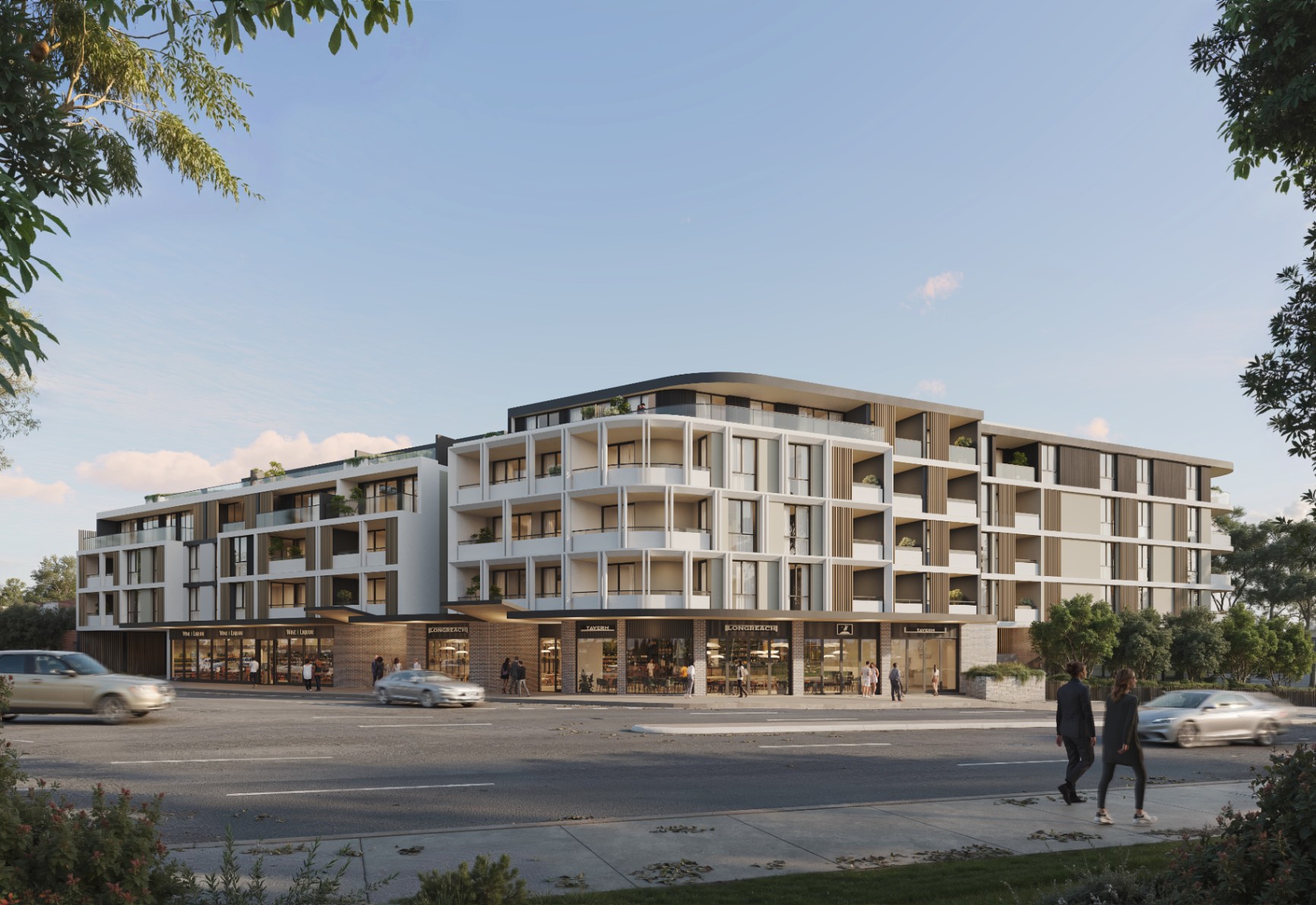 Coposit | Buy with $10K | Heathcote Real Estate Market | Buy Property in NSW
Strickland House | Heathcote NSW | $10K deposit | Secure with $10k and $254 x 140 weeks
A few practical approaches help buyers maintain perspective when emotional attachment to a property starts to influence the decision.
Setting a walk-away price before attending an auction or making an offer, and committing to it in advance with a trusted person who will hold you to it, creates an external check on in-the-moment emotional bidding. The commitment device works because it was made before attachment peaked, when analysis was easier.
Maintaining active consideration of multiple properties simultaneously reduces the intensity of attachment to any single one. Buyers who are genuinely considering several properties at the same time have a natural diversification of emotional investment that makes missing out on any one of them less devastating.
Reviewing the investment case for a property in writing, before making an offer, forces the analytical process that emotional attachment tends to shortcut. If you cannot write a clear paragraph explaining why this property is a good purchase at the price you are considering paying, that is information worth having before you sign.
How Social Media Is Shaping Australians' Expectations of Their First Home covers another dimension of how external influences shape property decisions in ways that are not always aligned with buyers' actual needs and financial positions.
Understanding why emotional attachment happens, and what it does to decision-making, does not make you immune to it. But it makes you a more self-aware buyer, and self-awareness is one of the most useful tools in a property search.
If you are looking for a way to enter the market that takes the auction pressure out of the equation, Coposit allows eligible buyers to secure an off-the-plan property with $10,000 upfront and build the deposit through weekly instalments during construction. Browse current projects, download the Coposit app, or speak with the team to find out what is available.
Share this article



Follow Coposit:


© 2025 Copyright Coposit.

