

Among the financial preparations required before buying a property, emergency savings are the most commonly overlooked. Buyers focus, understandably, on the deposit. They work to optimise their credit score and confirm their borrowing capacity. They budget for stamp duty and legal fees. What many do not adequately prepare for is the financial buffer that sits between a settled mortgage and the inevitable unexpected costs that arrive in any ownership period.
The consequence of arriving at settlement without emergency savings is not hypothetical. It is one of the most direct routes to financial stress in the first years of property ownership.
 Coposit | Buy with $10K | Sydney Real Estate Market | Buy Property in NSW
Aeris | Melrose Park NSW | $18K deposit | Secure with $18k and $246 x 79 weeks
An emergency fund is a reserve of cash held in an accessible account, separate from the deposit savings and distinct from any offset account attached to the mortgage, that exists specifically to cover large unexpected expenses without requiring debt or distressed selling.
It is not a general spending account. It is not a holiday fund. It is not money committed to renovation plans. It is cash that sits untouched until something happens that would otherwise be unmanageable.
For a homeowner, the events that justify drawing on an emergency fund include: a job loss or significant income reduction that threatens mortgage repayment; a large unexpected property repair such as a failed hot water system, a roof leak, or a plumbing failure; a medical expense that creates a short-term cash flow problem; and major appliance failures that cannot reasonably be deferred.
The hidden costs of moving house in Australia covers the transaction costs of the purchase itself. The emergency fund is what handles what comes after.
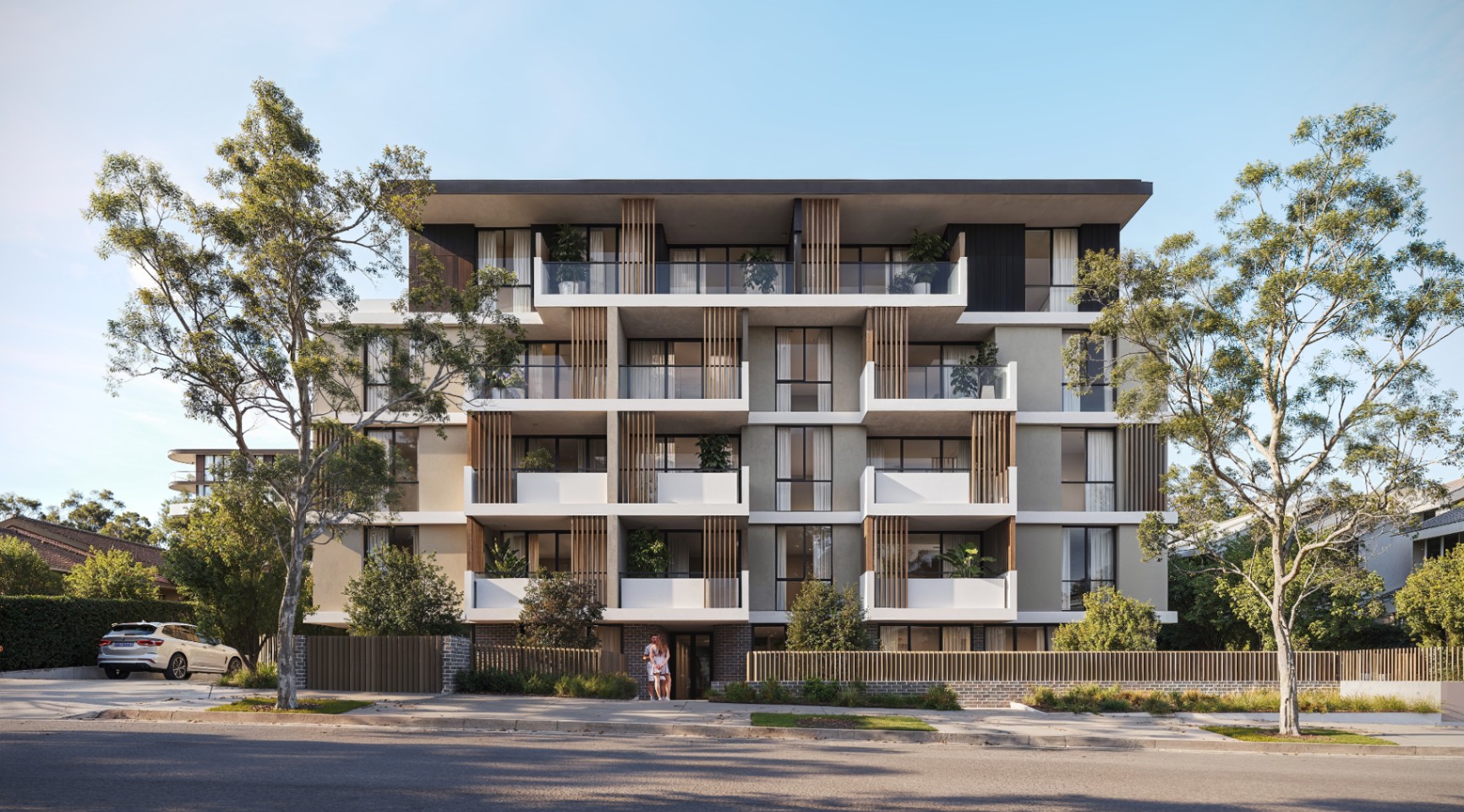 Coposit | Buy with $10K | Sydney Real Estate Market | Buy Property in NSW
Strickland House | Heathcote NSW | $10K deposit | Secure with $10k and $254 x 140 weeks
There is no universal figure that constitutes an adequate emergency fund, because the right amount depends on the specific property, the buyer's income stability, the level of the mortgage repayment, and the age and condition of the property being purchased.
A common starting benchmark is three to six months of essential expenses, including mortgage repayments, utilities, food, and transport. For a buyer with a $3,000 monthly mortgage repayment and $2,000 of other essential monthly costs, a three-month emergency fund is $15,000 and a six-month fund is $30,000.
For properties with older mechanical systems, roof structures nearing end of life, or known deferred maintenance, a higher buffer is appropriate because the probability of a large unexpected repair in the first ownership years is elevated. New apartments in new buildings have a material advantage here: building defects within the statutory warranty period are typically the developer's responsibility, and newly installed systems are unlikely to fail early.
Should you use all your savings for a house deposit addresses the trade-off between maximising the deposit and maintaining cash reserves. Arriving at settlement with a deposit that just clears the threshold and nothing remaining is a financially fragile position regardless of how well the purchase itself was planned.
 Coposit | Buy with $10K | Sydney Real Estate Market | Buy Property in NSW
Sky Box Hill | Box Hill NSW 2765 | $10K deposit | Secure with $10k and $429 x 126 weeks
Job security affects the calculus for the emergency fund in ways that buyers sometimes underestimate. A buyer in stable long-term employment in a sector with strong demand is in a meaningfully different position from a buyer in contract employment, a buyer who is self-employed, or a buyer in a sector experiencing structural change.
When income disruption occurs, whether through redundancy, a change in contract terms, or a business going through difficulty, the mortgage repayment continues regardless. The emergency fund is what prevents a temporary income problem from becoming a default or forced sale.
The cost of waiting: when is the right time to enter the property market addresses timing readiness broadly. Emergency savings are one component of the readiness checklist that should be assessed honestly before committing to purchase.
Apartment buyers have a specific emergency fund consideration that house buyers do not face in the same way: strata special levies.
When an owners corporation in a strata building needs to fund a major capital expense, such as facade rectification, lift replacement, or carpark repairs, and the sinking fund is insufficient, a special levy is raised across all lot owners. These levies can range from a few thousand dollars to tens of thousands depending on the scale of the work and the size of the building.
Special levies can be called with relatively short notice, and they are a mandatory payment as a condition of ownership. A buyer who has no emergency savings and receives a special levy notice for $15,000 within the first two years of ownership is in a genuinely difficult position if the cash does not exist.
Reviewing the strata reports and the financial health of the owners corporation sinking fund before purchase is the first line of defence. An adequate emergency fund is the second.
 Coposit | Buy with $10K | Gold Coast Real Estate Market | Buy Property in QLD
The Alfred Residences | Mermaid Beach QLD | $10K deposit | Secure with $10k and $2,451 x 51 weeks
For buyers who are saving toward a deposit and building an emergency fund simultaneously, the most effective approach treats both as separate accounts with separate contributions rather than treating the emergency fund as the residual from whatever is left after the deposit target is reached.
A defined weekly or monthly contribution to each account, even if the emergency fund contribution is smaller than the deposit contribution, builds both in parallel and prevents the situation where the deposit is reached but the emergency fund is empty.
Coposit's structure is relevant here. Eligible buyers who secure an off-the-plan property with $10,000 upfront and pay the remaining deposit in weekly instalments during construction have the construction period to build their emergency fund simultaneously with their deposit payments. The two goals can proceed in parallel rather than sequentially.
Browse current eligible developments on the Coposit projects page, download the Coposit app, or contact the Coposit team to understand how the structure might apply to your situation.
Share this article



Follow Coposit:


© 2025 Copyright Coposit.

