

Australia's major cities are growing faster than their housing supply. Sydney, Melbourne, Brisbane, and Perth are all experiencing population growth driven by natural increase and net overseas migration that is outpacing the delivery of new homes in well-located areas.
The conventional responses to this challenge, more high-rise apartments in the CBD fringe, more detached houses on the urban fringe, are both producing outcomes that many Australians find unsatisfying. High-rise apartment towers in dense precincts deliver homes but often struggle to deliver the liveability that residents want. Detached housing on the fringe delivers space but at the cost of long commutes, car dependence, and disconnection from the urban amenity that makes city living attractive.
Medium-density housing, townhouses, terrace houses, low-rise apartment buildings of four to eight storeys, and mid-rise buildings up to approximately twelve storeys in well-located areas -- offers a third path that is underrepresented in Australian cities relative to the demand for it.
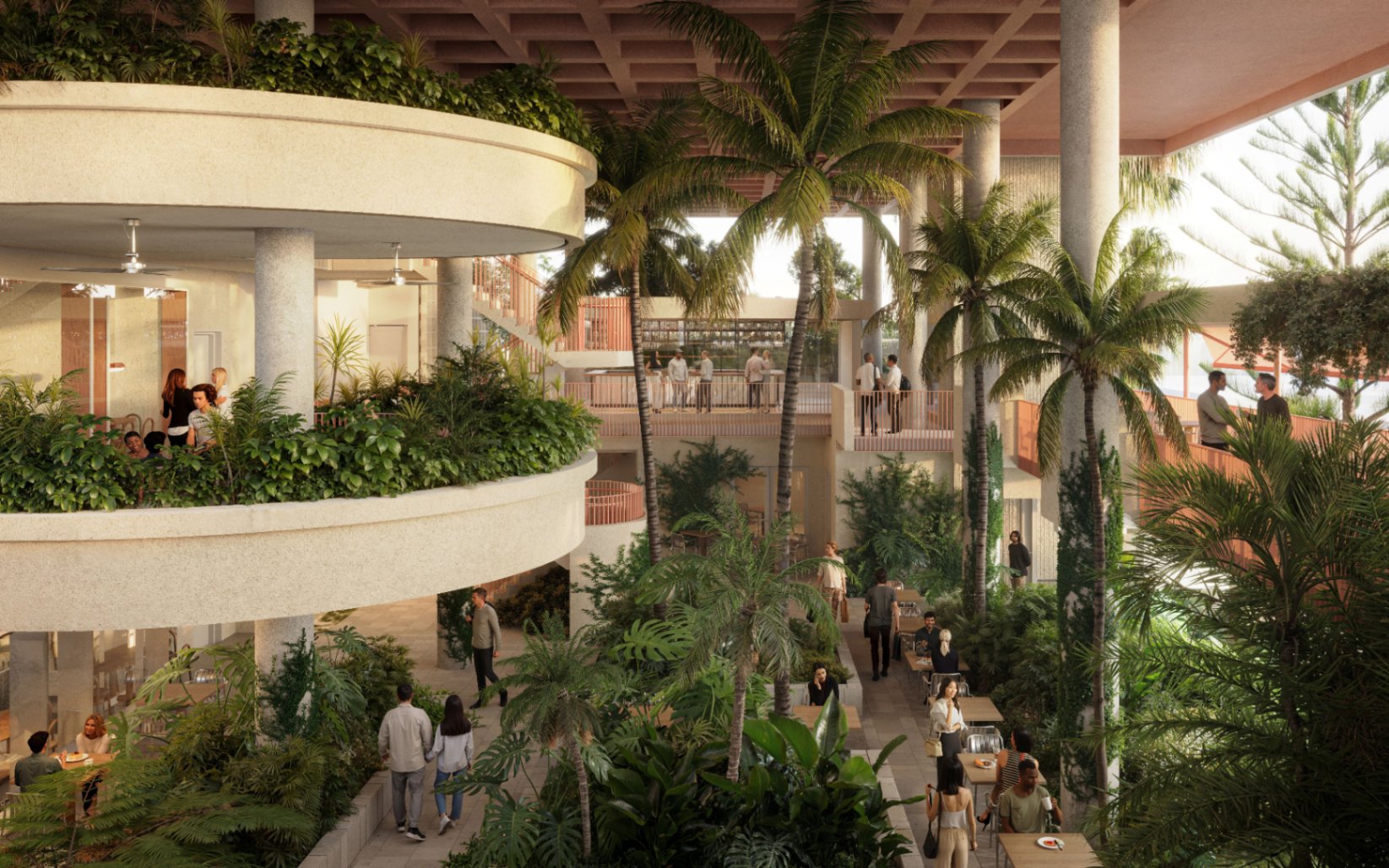 Coposit | Buy with $10K | Gold Coast Real Estate Market | Buy Property in QLD
The Alfred Residences | Mermaid Beach QLD | $10K deposit | Secure with $10k and $2,451 x 51 weeks
Medium-density housing occupies the space between the detached suburban house and the high-rise apartment tower, and it delivers specific qualities that neither extreme can match as consistently.
Human scale. Buildings of four to eight storeys sit at a scale that feels integrated with existing neighbourhoods rather than imposed on them. They create active streetscapes, maintain views and solar access for neighbouring properties, and contribute to the character of their surroundings in ways that towers often cannot.
Genuine liveability. Medium-density buildings can deliver the natural light, cross-flow ventilation, private outdoor space, and acoustic separation that residents value most and that high-density towers often struggle to achieve at acceptable price points. Well-designed low-rise apartment buildings with north-facing aspects, private terraces or balconies, and thoughtful acoustic design are genuinely pleasant places to live.
Neighbourhood integration. Medium-density development integrates more naturally into established residential areas than high-rise development. It adds population and housing capacity without the scale disruption that large towers create, making it more acceptable to existing communities and more consistent with the character of established suburbs.
Medium-density housing has historically been the most difficult category to deliver at scale in Australian cities, for several interconnected reasons.
Planning systems in most Australian states have been bimodal, favouring either detached housing in residential zones or high-rise in commercial and high-density zones, without creating clear pathways for medium-density in between. The changes required to existing neighbourhoods to accommodate four to eight storey buildings are significant enough to generate community resistance but not significant enough to drive the economics that make high-rise development viable for most developers.
The finance and development economics of medium-density are also more challenging than at the extremes. High-rise towers have sufficient scale to justify the fixed costs of complex planning, engineering, and construction. Detached housing is simple to finance and construct. Medium-density sits in between, complex enough to require significant professional fees but often not large enough to spread those costs efficiently.
Recent state government planning reforms, particularly in NSW and Queensland, are attempting to address this imbalance by creating clearer pathways for medium-density housing in well-located areas near transport. The National Housing Accord and the associated planning changes represent the most significant commitment to medium-density delivery that Australian states have made in decades.
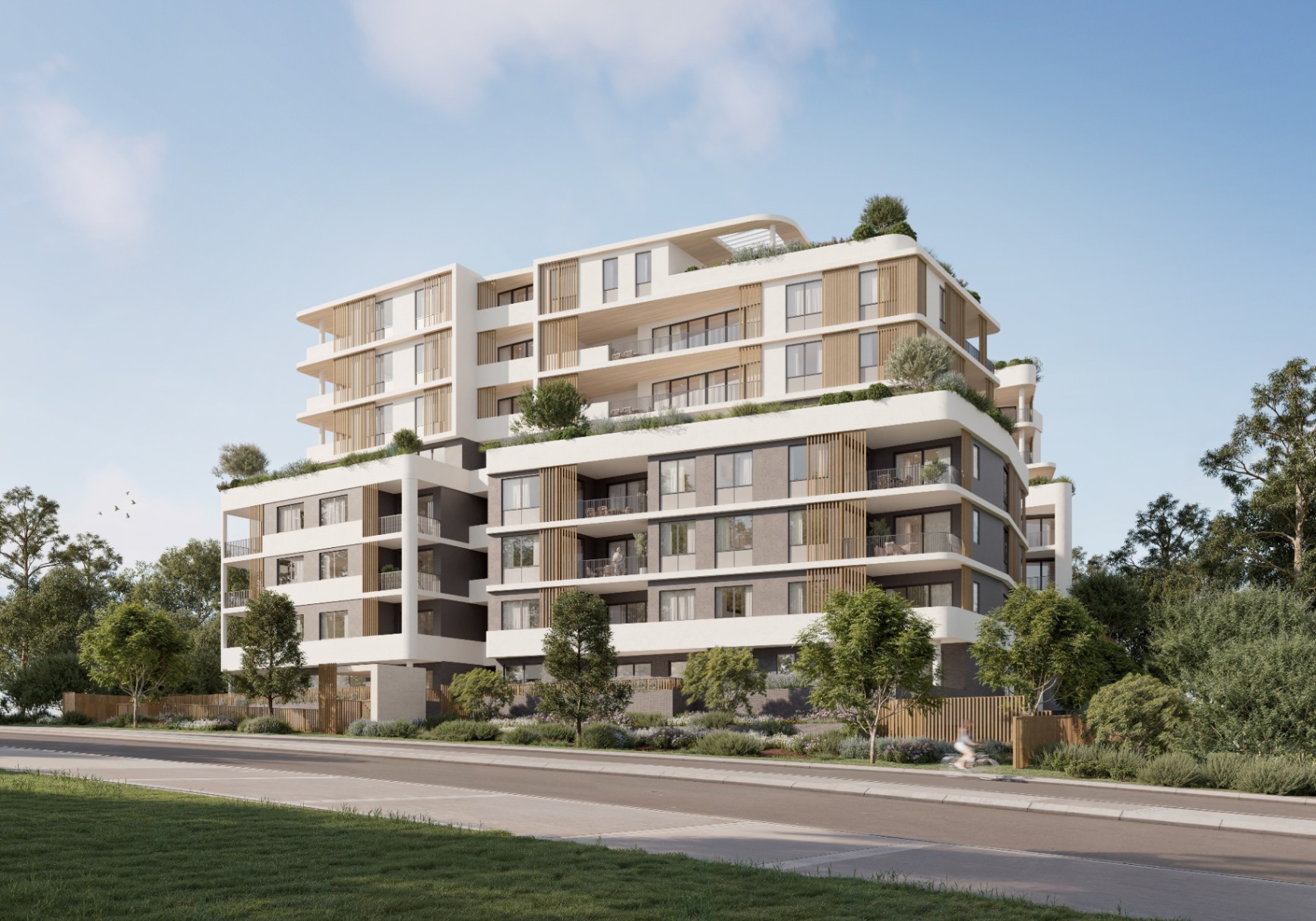 Coposit | Buy with $10K | Sydney Real Estate Market | Buy Property in NSW
Elora | Castle Hill NSW | $10K deposit | Secure with $10k and $1,537 x 97 weeks
The undersupply of well-located medium-density housing relative to demand is one of the most consistent drivers of value in established inner and middle-ring suburbs. Buildings of the type and scale that most Australians actually want to live in, in the locations they want to live, are relatively scarce. That scarcity supports values.
For buyers assessing Coposit projects, many of the current listings represent exactly the medium-density format that is undersupplied. Projects like Boronia in Roseville, a lower-rise prestige apartment building in an established North Shore suburb, and Tempo at Cambridge Quarter, a 24-storey building in Newcastle West that sits at the upper end of medium-density scale, are in different price tiers but both address genuine demand in markets where comparable supply is constrained.
Understanding supply dynamics in the suburb where you are considering purchasing is one of the most important research steps before any off the plan commitment.
Read Should You Buy in an Established Suburb or a New Growth Area for a complete framework on assessing supply dynamics in any market.
Browse current Coposit listings on the projects page, download the Coposit app, or contact the Coposit team to discuss the supply context for specific projects.
This article is general information only and does not constitute financial or investment advice. Always seek independent advice before making any property decisions.
Share this article



Follow Coposit:


© 2025 Copyright Coposit.

