

The traditional Australian suburb, a quiet residential street of detached houses, a short drive from a shopping centre, reliable but undistinguished, is not disappearing from the property landscape. But it is losing its position as the unchallenged default for buyers who have the financial means to choose.
A growing number of Australians are actively looking beyond the traditional suburb when they make property decisions, and understanding what is driving this shift matters for anyone assessing where to buy.
Several structural changes are happening simultaneously that make alternatives to the traditional suburb more attractive relative to their historical positioning.
Remote and flexible work has fundamentally changed the commuting calculus. A buyer who commutes to a CBD office two or three days per week can trade proximity for lifestyle, coastal access, or regional amenity in a way that was not rational when five-day CBD commutes were the norm. This has redirected demand toward coastal and regional locations, toward urban neighbourhoods that offer strong lifestyle amenity even without CBD proximity, and away from the traditional middle-ring suburb that existed primarily to be close enough to the CBD for a daily commute that no longer happens.
The rising costs and time demands of car-dependent living have made walkable, connected urban locations more valuable in daily life experience terms. Residents who have moved from car-dependent traditional suburbs to walkable inner-city or mixed-use locations consistently report higher daily life satisfaction, even when the property itself is smaller.
Generational preference shifts are also real. Younger buyers who grew up in suburban environments but chose to rent in urban locations during their twenties have experienced both the lifestyle they prefer and the lifestyle they are trying to move on from. Many are making deliberate decisions to purchase in locations that reflect the urban lifestyle they have been living rather than defaulting to the suburban model of their parents.
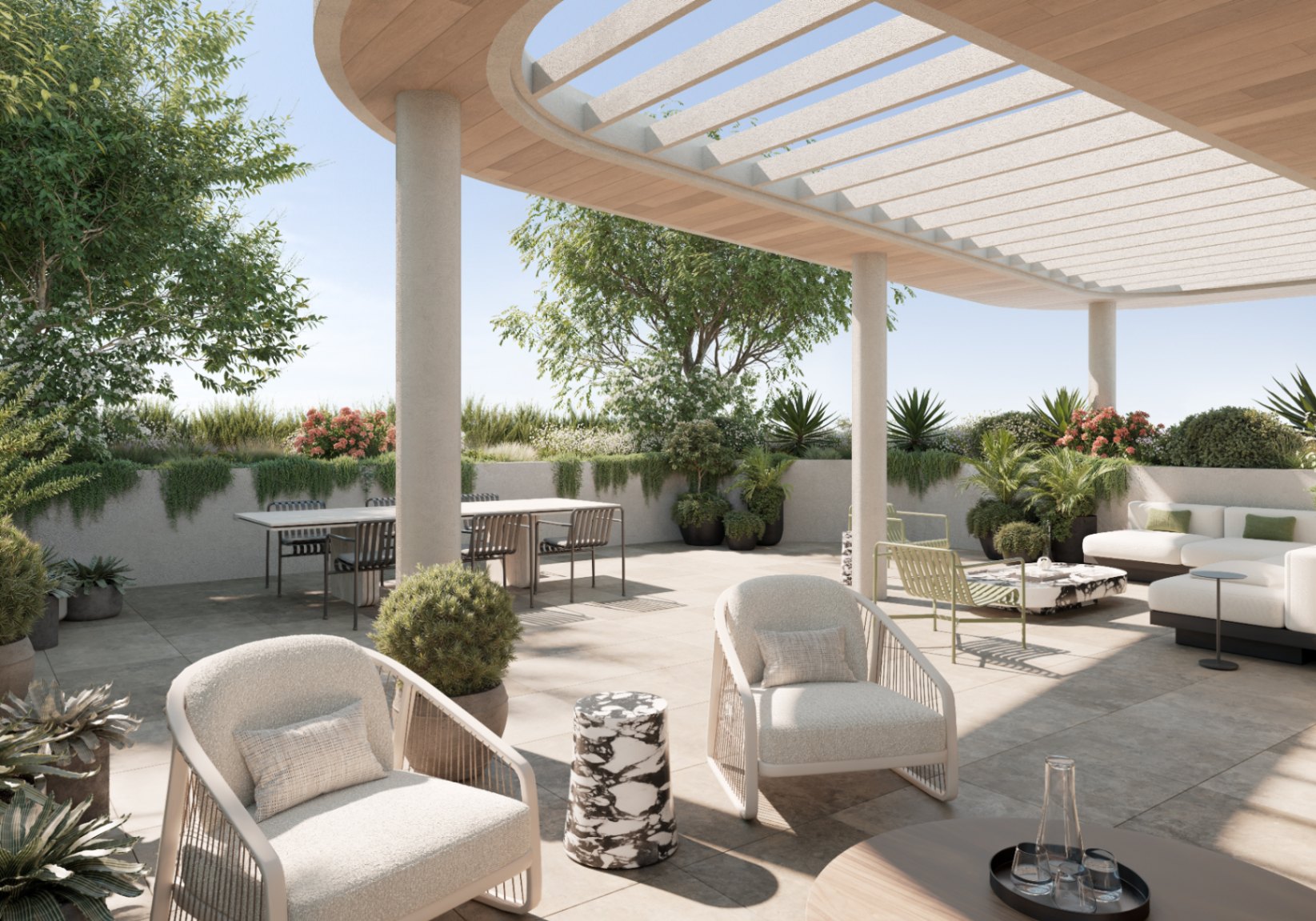 Coposit | Buy with $10K | Sydney Real Estate Market | Buy Property in NSW
Elora | Castle Hill NSW | $10K deposit | Secure with $10k and $1,537 x 97 weeks
Coastal and regional locations. The COVID-era shift toward coastal and regional property has not fully reversed. Locations like the Hunter Valley, the Gold Coast and Sunshine Coast hinterland, and the Perth coastal corridor are attracting buyers who want lifestyle amenity, value relative to capital city equivalents, and the ability to work remotely for significant portions of their working week.
Urban mixed-use precincts. Inner-city and near-city mixed-use precincts where daily life can be managed largely on foot are attracting buyers who value the lifestyle efficiency of walkable environments. The concentration of retail, hospitality, cultural activity, and employment access in these precincts creates a daily life quality that the traditional suburb cannot replicate.
Established middle-ring suburbs with genuine village character. Not all traditional suburbs are losing appeal. Established suburbs that have genuine village centres, strong school catchments, accessible transport, and a community character that goes beyond the purely residential are maintaining and growing demand. The buyers turning away from traditional suburbs are turning away from the car-dependent, amenity-poor outer suburb rather than from all suburban living.
The locations that are gaining demand from buyers looking beyond traditional suburbs are seeing structural value growth that reflects genuine preference rather than cyclical market movement. Coastal locations with lifestyle amenity, walkable urban precincts, and established middle-ring suburbs with village character have all performed strongly over the past decade.
Locations that are losing relative demand are the car-dependent middle-ring and outer suburbs that exist primarily as commuter dormitories without genuine lifestyle amenity or community character. These locations are not collapsing, but they are underperforming comparable locations that offer better lifestyle outcomes.
For buyers assessing current Coposit projects, the locations that align with the areas attracting growing buyer demand include Newcastle's inner-city precinct, the Gold Coast and Sunshine Coast corridors, Sydney's Hills District with its Metro connection, and established North Shore and coastal locations represented by Boronia and other prestige projects.
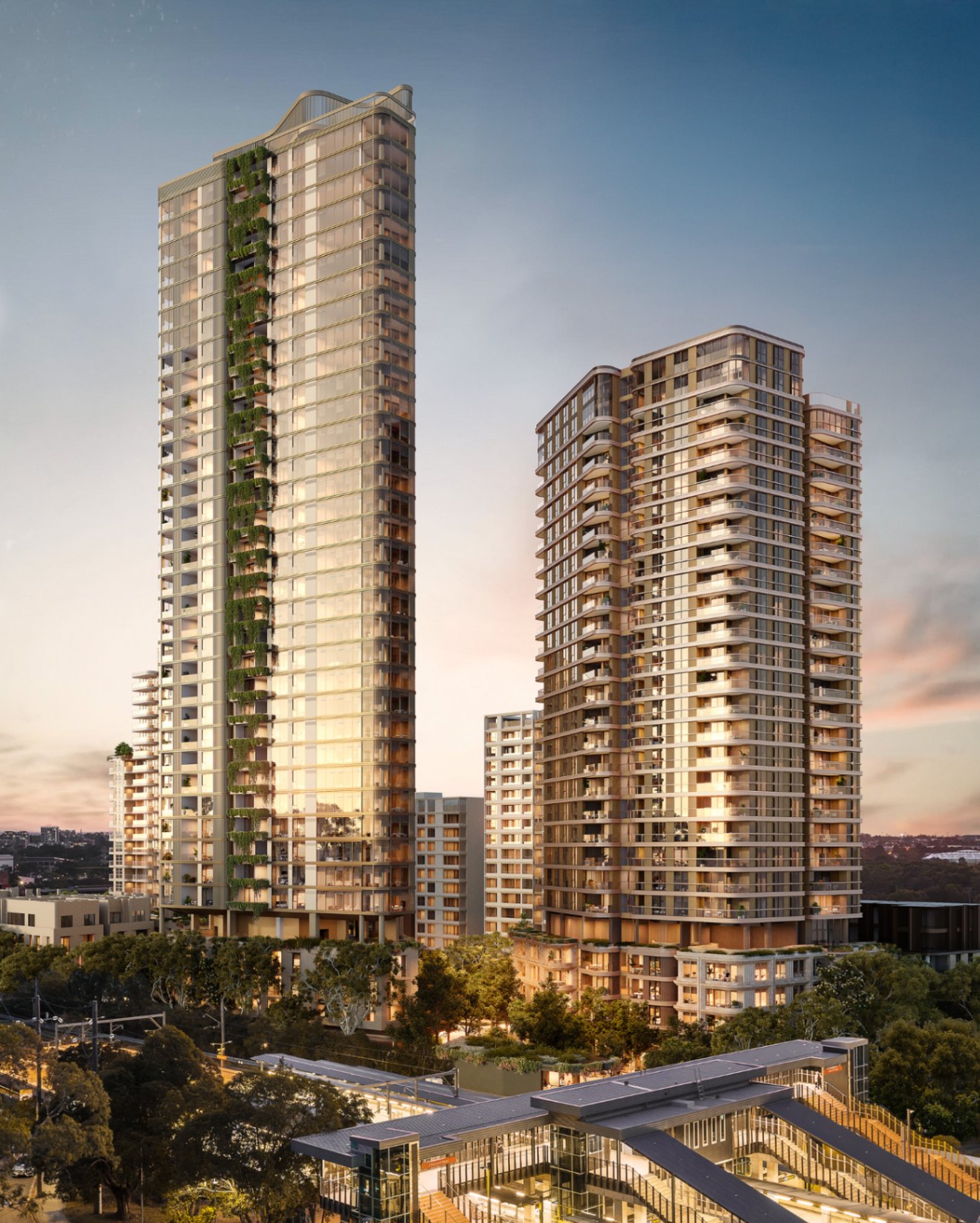 Coposit | Buy with $10K | Sydney Real Estate Market | Buy Property in NSW
Concord Central | Concord West | $10K deposit | Secure with $10k and $418 x 151 weeks
Buying where demand is structurally growing rather than where demand has historically been concentrated is one of the most consistent principles of long-term property investment. The traditional suburb was valuable because demand was concentrated there by the commuting requirements of CBD employment. As those requirements change, demand patterns are changing with them.
Understanding which directions demand is shifting and purchasing in its path, rather than in the path of historical demand that may not return to the same strength, is a sound approach to location selection that the current environment rewards.
Read Should You Buy in an Established Suburb or a New Growth Area for a complete framework on assessing where demand is heading.
Browse current Coposit listings on the projects page, download the Coposit app, or contact the Coposit team to discuss the demand fundamentals for specific project locations.
This article is general information only and does not constitute financial or investment advice. Always seek independent advice before making any property decisions.
Share this article



Follow Coposit:


© 2025 Copyright Coposit.

