

Australia's property market is not one market. It has never been one market. But the divergence playing out in 2026 is more pronounced than at almost any point in recent memory.
Sydney house prices are forecast to fall. Melbourne house prices are forecast to fall further. And Perth and Brisbane are forecast to keep growing.
Understanding why that divergence exists is the most useful thing any property buyer or investor can do right now.
Domain property market modelling published in June 2026 forecasts the following price movements over FY2027:
Sydney: Houses -5% (range -7% to -3%). Units -1% (range -3% to 1%).
Melbourne: Houses -6% (range -8% to -4%). Units -1% (range -3% to 1%).
Brisbane: Houses 5% (range 3% to 7%). Units 7% (range 5% to 9%).
Perth: Houses 7% (range 5% to 9%). Units 9% (range 7% to 11%).
Perth units are forecast to grow 9% while Sydney houses are forecast to fall 5%. That is a 14-percentage-point difference in the same national market, in the same rate environment, under the same budget changes.
The reasons for that divergence are structural and worth understanding before making any property decision.
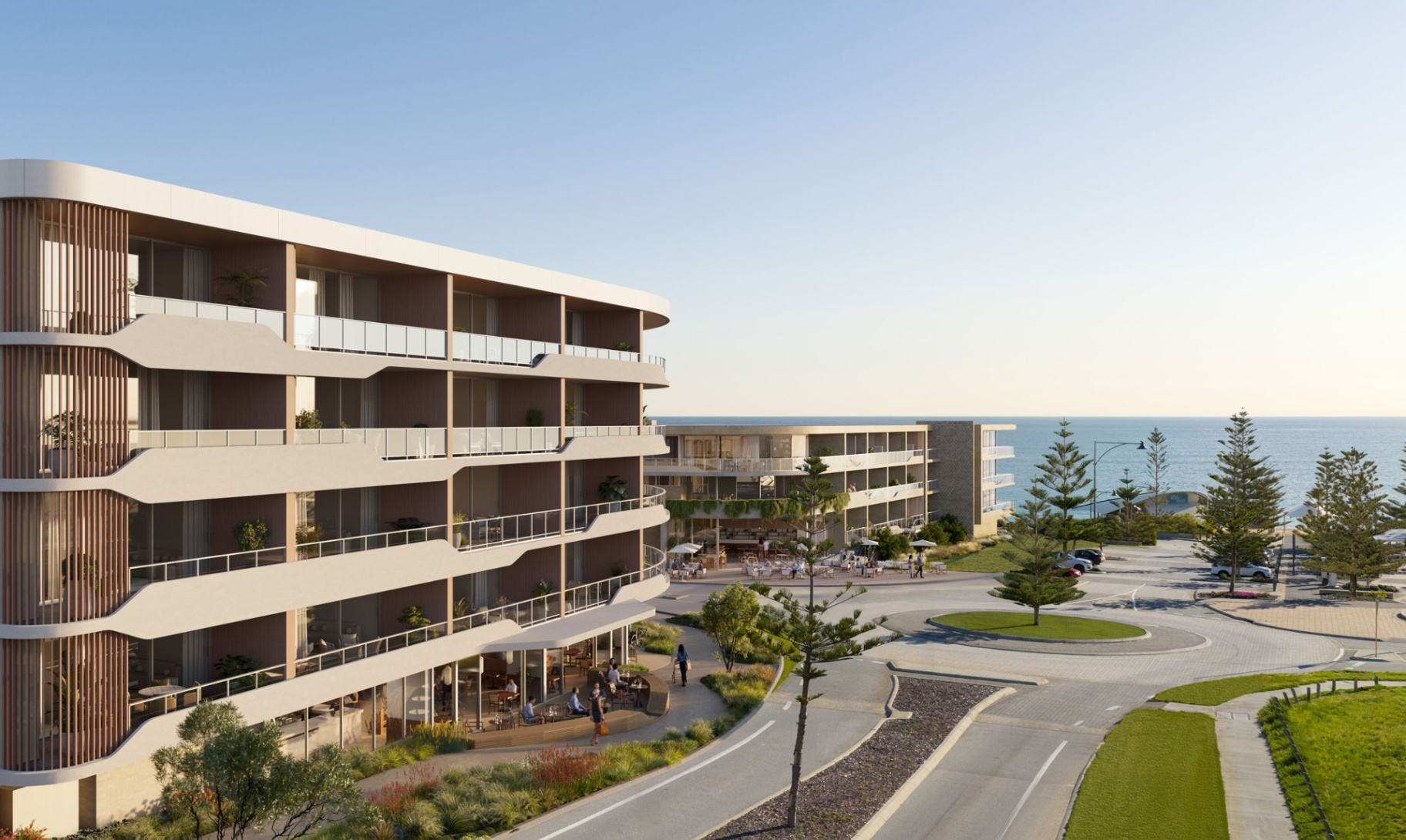 Coposit | Buy with $10K | Perth Real Estate Market | Buy Property in WA
Harlyn | Jindalee WA | $10K deposit | Secure with $10k and $471 x 77 weeks
Sydney and Melbourne are not falling because property fundamentals have collapsed. They are falling because they entered 2026 with specific vulnerabilities that the rate hikes and budget changes have exposed.
Rate sensitivity is higher in Sydney and Melbourne. The buyers in these markets are typically borrowing larger amounts at higher loan-to-value ratios than buyers in other cities. Three rate hikes have removed 7 to 8% of borrowing capacity. At Sydney and Melbourne price levels, that capacity reduction translates to larger dollar amounts and a larger pool of buyers being pushed out of the market.
Investor exposure is concentrated in NSW and Victoria. NSW has the highest investor share of home lending in Australia at 43.4%, well above the decade average of 39.2%. The budget's restriction of negative gearing on established properties hits NSW hardest because NSW has the most investor-owned established property. When investors step back from NSW established housing, the demand withdrawal is larger than in other states.
Supply is rising in Melbourne and Canberra. Melbourne's population-to-supply ratio is more balanced than Brisbane or Perth. New apartments completing in Melbourne are adding supply to a market where demand has softened, which compounds the price pressure.
Brisbane and Perth are not growing because they are immune to rate pressure. They are growing because the structural demand in those markets is strong enough to absorb the headwinds that are pushing Sydney and Melbourne into negative territory.
Population growth is outpacing supply in both cities. Brisbane and Perth are absorbing interstate migrants and overseas arrivals faster than new housing can be delivered. Vacancy rates in both rental markets remain near historic lows. That underlying occupier demand does not disappear when rates rise. It compresses into a smaller pool of available properties and supports prices.
Investor concentration is lower relative to decade averages. While WA investor lending has risen to 39.1%, that is still below the national average and below NSW. The budget's impact on investor demand is less concentrated in WA than in NSW.
Price points are more accessible. Brisbane and Perth median prices, while elevated relative to their own history, remain below Sydney and Melbourne. At lower absolute price levels, the dollar impact of a given percentage reduction in borrowing capacity is smaller. More buyers can absorb the change and remain in the market.
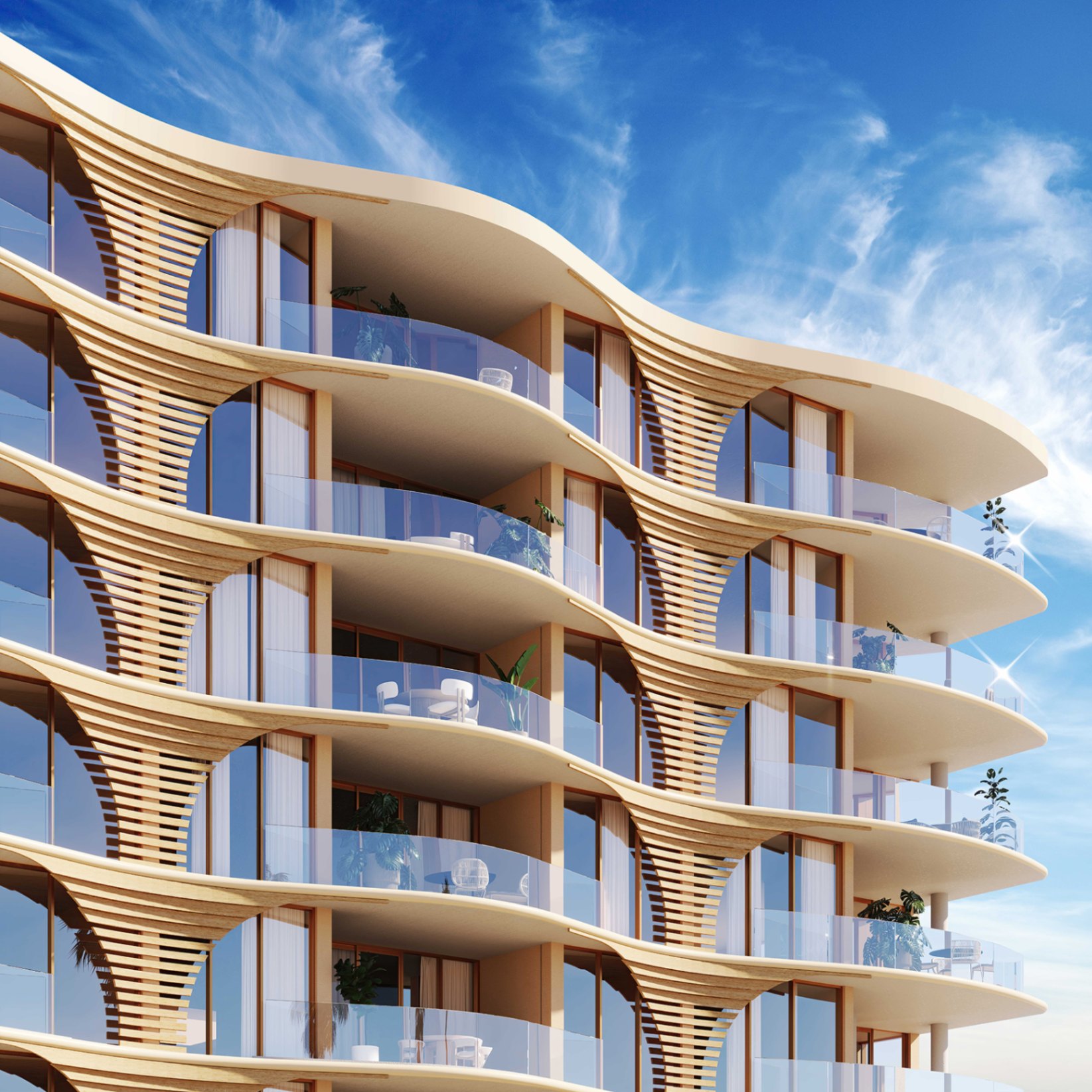 Coposit | Buy with $20K | Brisbane Real Estate Market | Buy Property in QLD
Retreat Palm Beach | Palm Beach QLD | $20K deposit | Secure with $20k and $727 x 74 weeks
The forecast for Brisbane and Perth is positive but the modelling flags a specific risk that buyers should understand.
Investor lending in WA currently sits at 39.1%, which is 14 percentage points above its decade average of 25.1%. That is the largest gap of any state in Australia. Queensland investor lending is similarly stretched at 9.7 percentage points above its long-run norm.
These are not insulated markets. They are markets where investor concentration has risen sharply and where a meaningful shift in investor sentiment, triggered by the budget changes or by global economic conditions, could compress growth more quickly than the headline forecast suggests.
The positive forecast is the central case. The downside risk is real.
For investors, Brisbane and Perth units specifically offer the combination of positive price momentum, full negative gearing eligibility on new builds, high depreciation deductions on new construction, and rental markets with vacancy rates near historic lows. Brisbane is forecast to become Australia's most expensive unit market, overtaking Sydney, over FY2027.
For owner-occupiers, Brisbane offers genuine lifestyle value and price growth potential that Sydney cannot match at comparable price points in the current environment.
For first home buyers who have flexibility on location, the divergence between these markets and Sydney means that a comparable budget buys a meaningfully better outcome in Brisbane or Perth right now.
Browse current Brisbane and Perth listings on the Coposit projects page , download the Coposit app, or contact the Coposit team to understand which projects and markets suit your situation.
Share this article



Follow Coposit:


© 2025 Copyright Coposit.