

Vacancy rate is one of the most useful and most underused data points in investment property research. It measures the proportion of rental properties in a given market that are currently untenanted, and it tells investors more about the supply and demand dynamics of a local rental market than almost any other single figure.
Understanding what vacancy rates mean, where to find them, how to interpret them in context, and what they predict about yield and capital growth outcomes is part of the due diligence that separates well-researched investment decisions from ones made on optimism and marketing material.
The rental vacancy rate for a suburb or area represents the percentage of all rental properties that are currently listed as available for rent. If there are 1,000 rental properties in a suburb and 20 are listed as vacant and available, the vacancy rate is 2%.
A vacancy rate around 2% to 3% is generally considered balanced in the Australian market, representing a market where supply and demand are reasonably matched. At this level, landlords have some pricing power but tenants can find rental accommodation without excessive competition.
Vacancy rates below 1% indicate a significantly undersupplied rental market. In this environment, vacant properties let quickly, rent growth is strong, and tenants face intense competition for available properties. For investors, this is typically a favourable condition for yield maintenance and growth.
Vacancy rates above 3% to 4% indicate an oversupplied market or one where rental demand has softened. In these conditions, properties take longer to let, landlords face pressure to hold or reduce rents to compete with other available stock, and tenant quality can decline as tenants in this environment have more options and therefore more negotiating power.
 Coposit | Buy with $10K | Brisbane Real Estate Market | Buy Property in QLD
Laya Residences | Taigum QLD | $10K deposit | Secure with $10k and $4,543 x 33 weeks
The investment significance of vacancy rates extends well beyond their direct effect on the time it takes to find a tenant.
Vacancy rate is a leading indicator of rent movement. In tight rental markets, landlords can achieve rent increases at lease renewal and new tenancies command premium rents relative to the previous cycle. In soft markets, rent growth stalls or reverses. The cumulative effect on yield over a five to ten year holding period is significant.
Vacancy rate is also a signal about broader demand conditions in a location. A suburb with consistently low vacancy rates is a suburb where people want to live. That preference typically translates into property price support as well, since the same factors that make a suburb attractive to renters (employment access, amenity, transport, lifestyle) make it attractive to owner-occupiers and investors bidding at auction.
Conversely, a suburb with high or rising vacancy rates may be experiencing reduced demand from both renters and buyers, often reflecting broader economic conditions in the area, an oversupply of new stock, or structural changes to the population that uses that area. These are signals worth taking seriously in investment research rather than discounting.
Why Two Properties in the Same Suburb Can Perform Very Differently covers how micro-location and property-level factors interact with suburb-level metrics like vacancy rates to produce investment outcomes that differ markedly within the same postcode.
Reliable vacancy rate data for Australian suburbs is available from several sources.
SQM Research publishes weekly and monthly vacancy rate data at a suburb level across Australian capital cities and many regional markets. Their data tracks listings on the major real estate portals and is widely used by property analysts and investors. Historical data allows investors to see how vacancy rates in a target suburb have moved over time, not just where they stand at the moment of research.
Property management companies operating in a target area are also a useful direct source. A property manager who manages significant stock in a suburb has direct knowledge of how quickly properties are letting, what rents are achievable for different property types, and what tenant quality looks like in the current market. This qualitative intelligence complements the data.
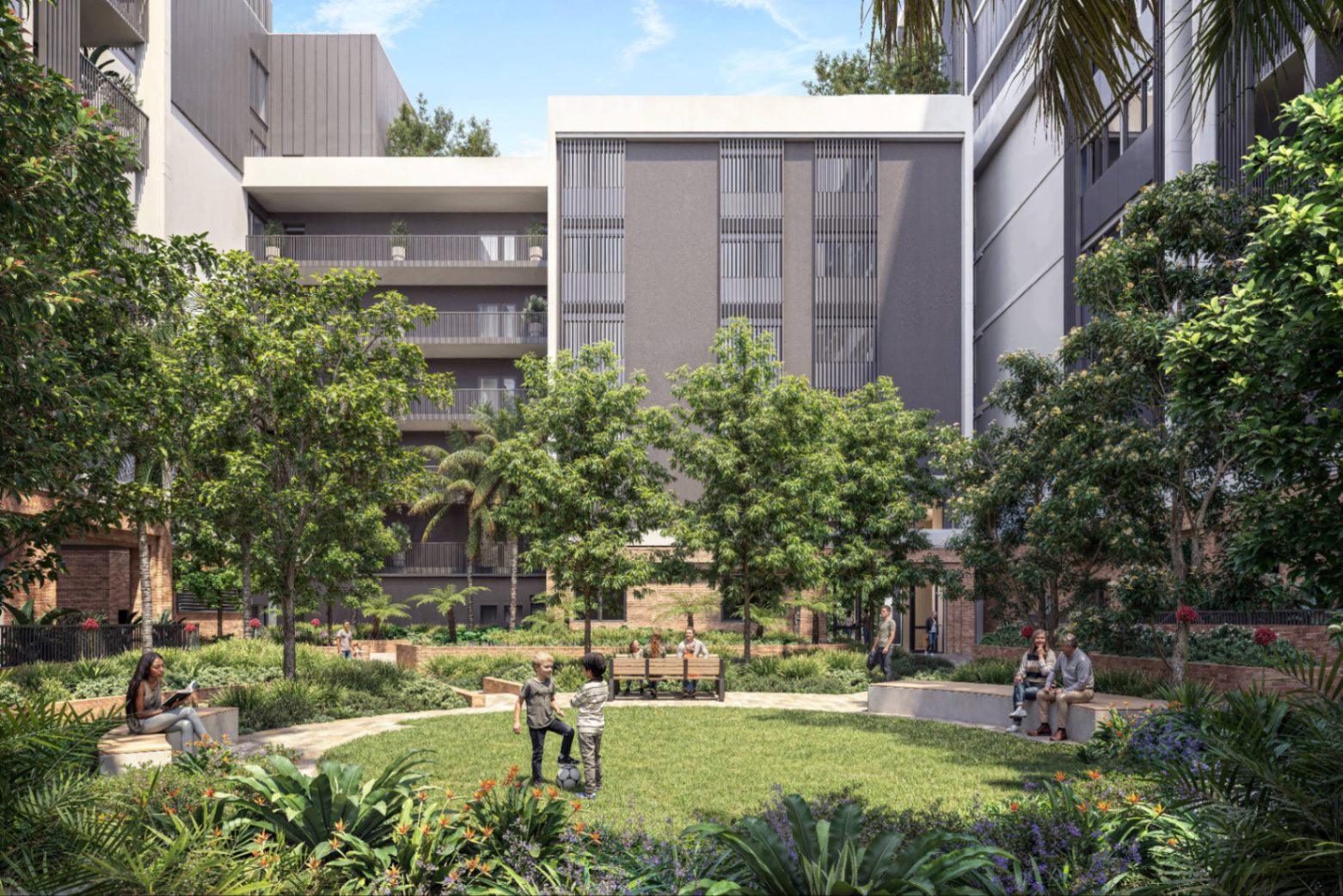 Coposit | Buy with $17K | Sydney Real Estate Market | Buy Property in NSW
Dawn | Melrose Park NSW | $17K deposit | Secure with $17k and $236 x 78 weeks
A specific application of vacancy rate research that matters for investors considering new apartment purchases is assessing the pipeline of new supply in a target area.
In suburbs or precincts where multiple large residential developments are completing at similar times, vacancy rates can spike as the market absorbs the new supply simultaneously. This is a well-documented pattern in several Australian inner-city and inner-ring markets where development approvals clustered in certain areas and produced a wave of completions over a short period.
Investors who purchased in these markets during the development phase, before vacancy rates reflected the incoming supply, sometimes found that their investment completed into a softer rental market than the one they researched at the time of purchase. The lesson is that historical vacancy rates and current vacancy rates need to be supplemented by research on the development pipeline: what has been approved, what is under construction, and when completions are expected.
This information is available from local council planning portals, state government planning websites, and from property research firms that track development approvals. It is part of the due diligence process that What Should You Research Before Buying an Off the Plan Property covers in detail.
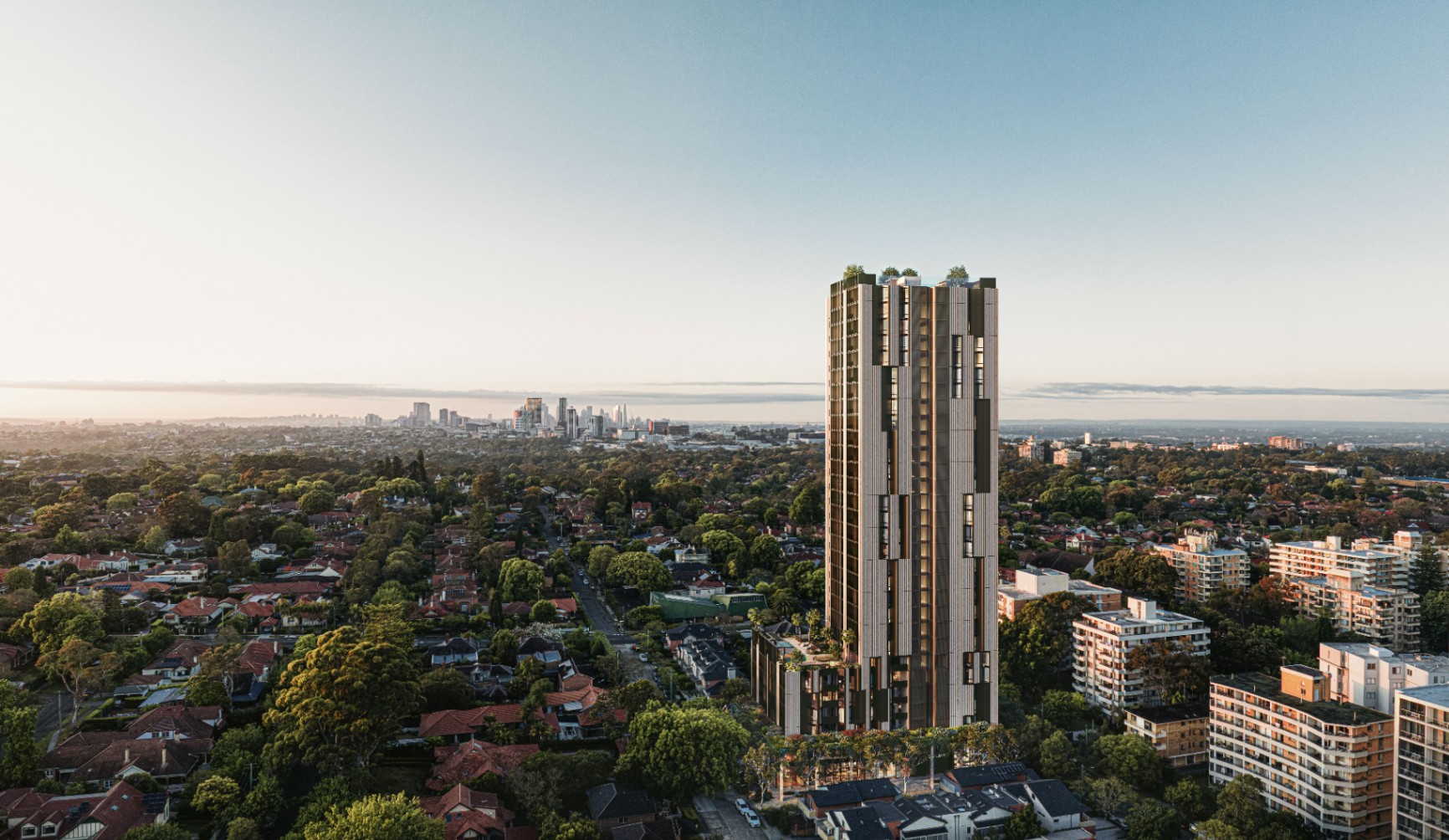 Coposit | Buy with $10K | Chatswood Real Estate Market | Buy Property in NSW
Celine | Chatswood NSW | $10K deposit | Secure with $10k and $658 x 152 weeks
Vacancy rate and yield data are most useful when read together. A suburb with a 1% vacancy rate and gross yields of 3.5% is a different investment proposition from a suburb with a 1% vacancy rate and gross yields of 5.5%. The vacancy rate tells you about demand conditions; the yield tells you about income return at the current price level.
Rental Yield vs Capital Growth: What Matters More to Property Investors? covers the interplay between these two return components and how to weight them depending on the investor's objectives.
Coposit's platform gives investors access to new developments with the demographic and location characteristics that support strong rental demand. With $10,000 upfront and weekly deposit instalments during construction, investors can secure a property in a market they have researched carefully rather than moving quickly under auction pressure. Browse current developments, get the Coposit app, or talk to the team to find out more.
Share this article



Follow Coposit:


© 2025 Copyright Coposit.

