

Something has been shifting in how a growing number of Australians think about where they want to live. It is not a wholesale rejection of cities, and it is not a uniform movement toward rural areas. It is a recalibration of how close to natural environments people want to be, and a willingness to make trade-offs in terms of commute time, urban convenience, and housing cost to achieve that proximity.
The drivers of this shift are multiple and reinforcing. Understanding them helps explain both the locations that are attracting attention and the kinds of homes that are being built in and around them.
 Coposit | Buy with $10K | Sydney Real Estate Market | Buy land in NSW
The extended period in which many Australians spent the majority of their time at home changed the relationship between people and their immediate environment in ways that proved durable. People who had previously accepted a small apartment in a dense urban area because it was convenient for a daily commute found, when that commute was no longer daily, that the trade-offs they had made were no longer the right ones.
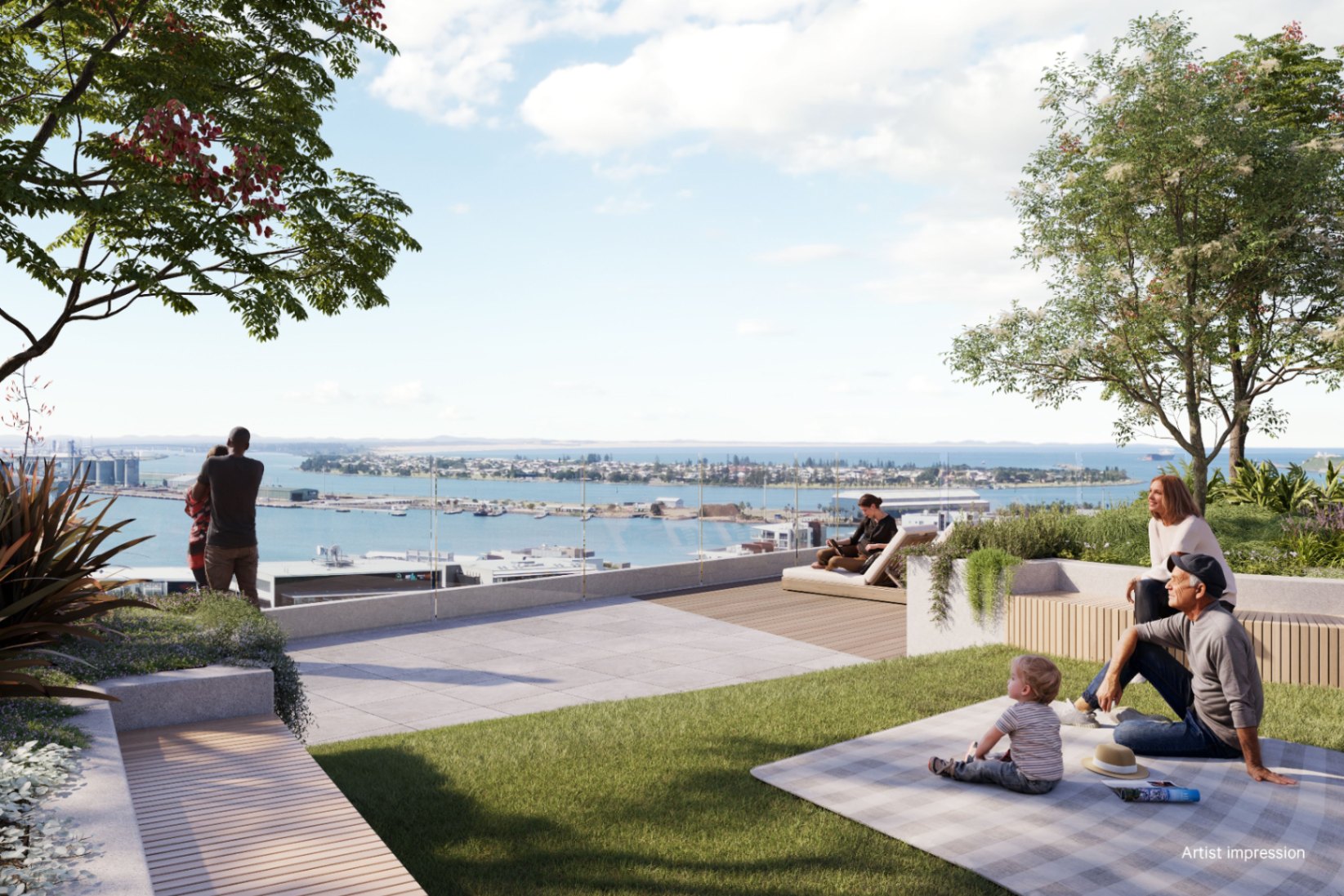
Access to outdoor space, natural light, greenery, and the ability to leave the front door and walk somewhere that felt restorative became more salient than proximity to a train station or a CBD coffee shop. For some people, that recalibration meant finding apartments with better outdoor space in the same suburb. For others, it meant moving further out to locations that offered a fundamentally different relationship with the natural environment.
The persistence of hybrid work arrangements has sustained this shift beyond the period that prompted it. People who work from home two or three days a week experience their immediate environment for a substantially larger portion of their waking hours than those who commute five days a week. The value of that environment, and the cost of it being inadequate, is proportionally higher.
 Coposit | Buy with $10K | Newcastle Real Estate Market | Buy Property in NSW
Era | New Castle NSW | $10K deposit | Secure with $10k and $1,363 x 58 weeks
The desire to live closer to nature has not produced a uniform migration pattern, but certain types of locations have attracted sustained interest from buyers making nature-proximity decisions.
Suburbs adjacent to national parks, state forests, and significant bushland reserves have seen increased buyer interest from people who want the ability to walk into natural environments from their doorstep. Locations like the Greater Blue Mountains area, the Sutherland Shire in Sydney's south, and the Dandenong Ranges near Melbourne have all experienced heightened attention from buyers whose location priorities have shifted toward natural access.
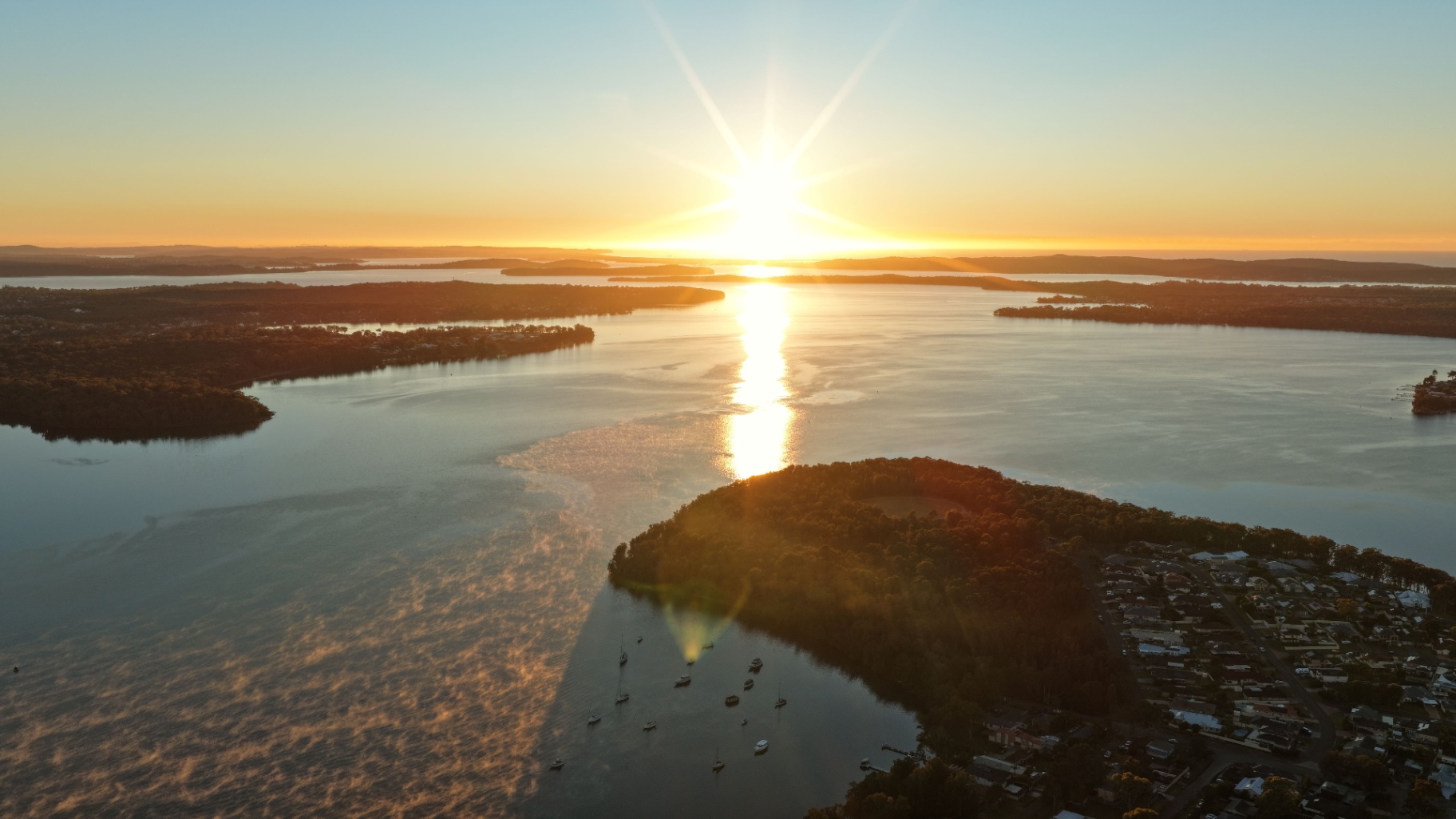
Coastal and waterway-adjacent locations have always attracted premium pricing in Australian property markets, but the nature-proximity motivation has extended the demand for these locations beyond the traditional beach lifestyle market. Estuaries, rivers, bays, and creek corridors have become more valued as places to live near, not just visit.
Regional and peri-urban areas that sit between city edges and genuinely rural landscapes, sometimes called the rural-urban fringe, have attracted buyers who want land, greenery, and a quieter environment without fully disconnecting from urban employment and services. These areas have typically offered significantly lower land prices than equivalent distances from the city in earlier decades, though increased demand has compressed that discount in many locations.
Why Urban Green Spaces Are Becoming More Valuable to Residents covers the green space question for buyers remaining in urban areas, which is the urban counterpart to the nature-proximity trend this blog addresses.
The benefits that people report from living closer to natural environments align closely with the research literature on green space and wellbeing. Regular access to natural environments is associated with reduced stress, lower rates of anxiety and depression, greater physical activity, and stronger social connection when natural spaces serve as gathering points for community members.
The specificity of these benefits matters for understanding what buyers are actually seeking. It is not simply aesthetics, though the visual experience of natural surroundings matters to many people. It is the functional access to places where you can walk, run, cycle, or simply spend time outside in a natural environment that is distinct from built urban space.
For families with children, the case for nature proximity often centres on the development benefits of children having regular access to unstructured outdoor play in natural settings. Research on children's development consistently identifies access to natural environments as beneficial for cognitive development, risk management skills, physical health, and wellbeing.
 Coposit | Buy with $10K | Sydney Real Estate Market | Buy Property in NSW
Choosing to live closer to nature in the Australian context typically involves trade-offs that buyers need to assess honestly.
Commute time and cost increase for buyers who move further from employment centres to access natural environments. For people with fully flexible work arrangements, this trade-off is manageable or negligible. For those who need to be physically present in a CBD or major employment centre three or more days a week, adding an hour or more to a daily commute represents a significant ongoing cost in time and money.
Bushfire risk is a genuine consideration for properties adjacent to or within bushland settings. The same natural environments that provide amenity also create fire risk, and buyers making nature-proximity decisions need to understand the specific risk profile of a location, the bushfire attack level rating of a property, and the insurance and practical implications of living in a fire-prone area.
Service access can be more limited in locations removed from established suburban service networks. Schools, medical services, shopping, and public transport are typically less abundant in peri-urban and nature-adjacent locations than in established suburbs. For buyers with specific service requirements, including families with children in particular schools or individuals with health conditions requiring regular specialist access, understanding the service environment is essential.
Developers working in locations with significant natural amenity are increasingly designing projects that maximise the relationship between the built environment and the surrounding natural landscape. This ranges from site planning that preserves existing vegetation and natural landforms to building designs that prioritise views, natural light, and connections to outdoor space.
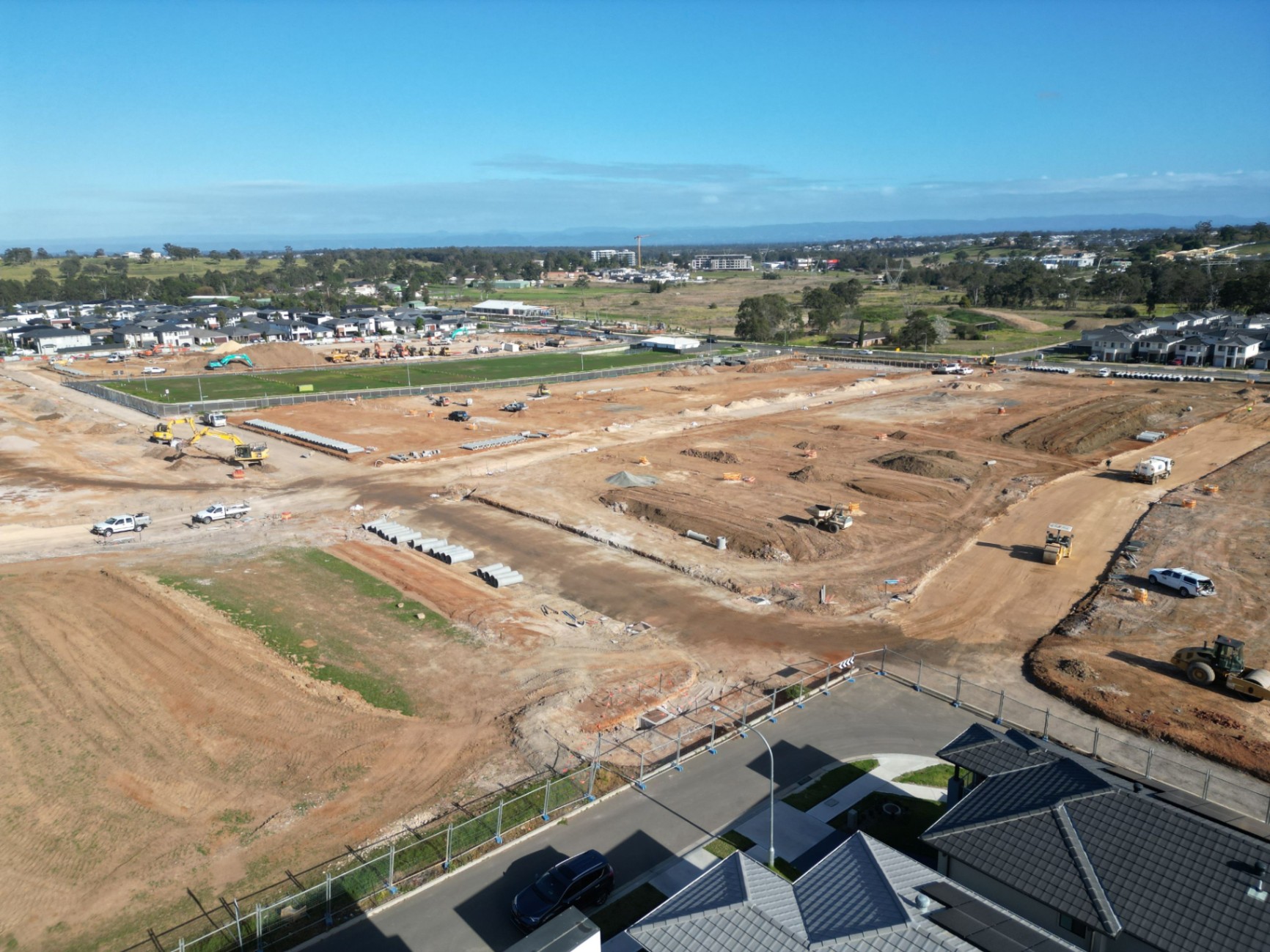
House and land communities in nature-adjacent locations often incorporate significant areas of retained bushland, creek corridors, and conservation areas as part of the development footprint, providing residents with access to natural environments while concentrating dwelling sites within the development. This model delivers nature proximity within a managed development framework that includes urban services and infrastructure.
The design principles of homes in nature-adjacent locations also reflect the environment. Indoor-outdoor connections through large sliding or folding door systems, covered outdoor living areas that extend the useable space of the home into the garden, and materials and finishes that respond to the natural palette of the surrounding landscape are all features that characterise well-considered development in these locations.
To explore developments that offer access to natural environments alongside quality housing, browse the Coposit projects page, download the Coposit app, or contact the Coposit team.
Share this article



Follow Coposit:


© 2025 Copyright Coposit.

