

For most of the twentieth century, the dominant model of Australian suburban development was built around the car. Affordable land on the urban fringe, universal car ownership, and the assumption that people would drive to work, shops, schools, and social activity created suburbs that were spacious, affordable, and entirely car-dependent.
That model is being challenged not by ideology but by the lived experience of people who have grown tired of spending significant portions of their lives in cars.
Walkability, the ability to access daily needs on foot, has become one of the most consistent drivers of property demand across Australian capital cities. Understanding why it matters, how it affects property values, and what it means for buyers is increasingly important for anyone making a location decision.
Walkability is not simply about whether footpaths exist. It is about whether the daily activities of life, buying groceries, visiting a café, seeing a doctor, going to the gym, catching a train, can be accomplished comfortably on foot within a reasonable distance from home.
The 20-minute neighbourhood concept, adopted as a planning principle by several Australian state governments, defines this as being able to meet daily needs within a 20-minute walk from home. This is roughly an 800-metre radius on foot, a 2-kilometre radius by bike, or a 10-minute public transport trip.
The practical measure of walkability is not the planning intent but the reality of what is actually within walking distance and how pleasant the experience of walking there is. A technically walkable suburb where the pedestrian experience involves crossing arterial roads, navigating sparse footpaths, and walking past car parks rather than activated streetscapes is functionally less walkable than the distance suggests.
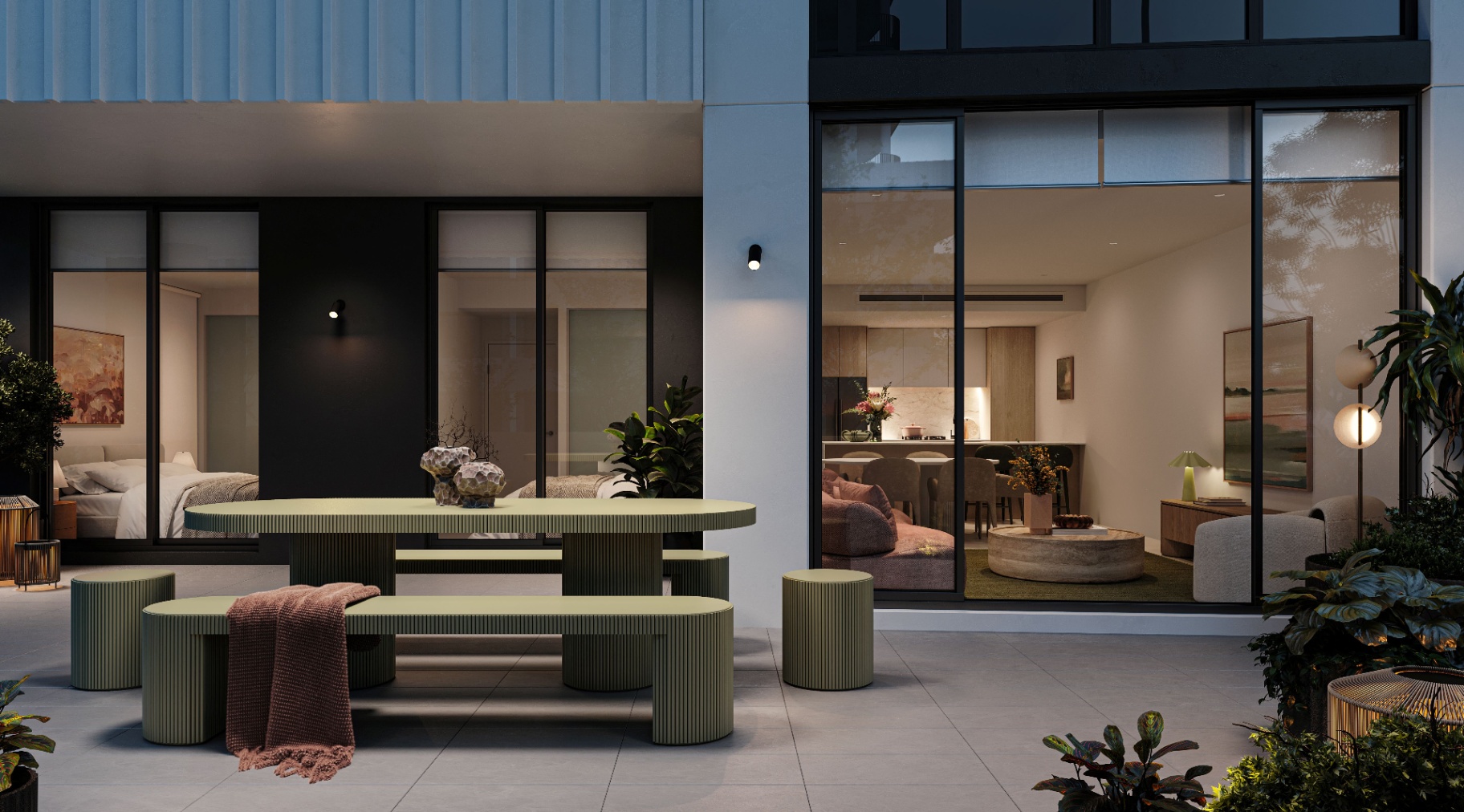 Coposit | Buy with $10K | Sydney Real Estate Market | Buy Property in NSW
Queen Square | Campbelltown NSW | $10K deposit | Secure with $10k and $307 x 155 weeks
Several factors have converged to increase demand for walkable locations over the past decade, and particularly since 2020.
The COVID-19 lockdown period forced many Australians to experience their neighbourhoods on foot rather than by car. For residents of walkable suburbs, this was a revelation -- daily life was genuinely pleasant without a car. For residents of car-dependent suburbs, it revealed a deficit in their neighbourhood that they had previously driven past without noticing.
Rising fuel costs have made car dependence more expensive. The time cost of long car commutes has become more visible as the trade-off between affordable land in outer suburbs and the daily commuting burden has grown more acute.
Demographic change is also a factor. Younger professionals, who represent a growing proportion of the buying and renting market, consistently prioritise urban lifestyle, walkability, and public transport access over space and privacy. Their preferences are reshaping the demand profile for different types of locations.
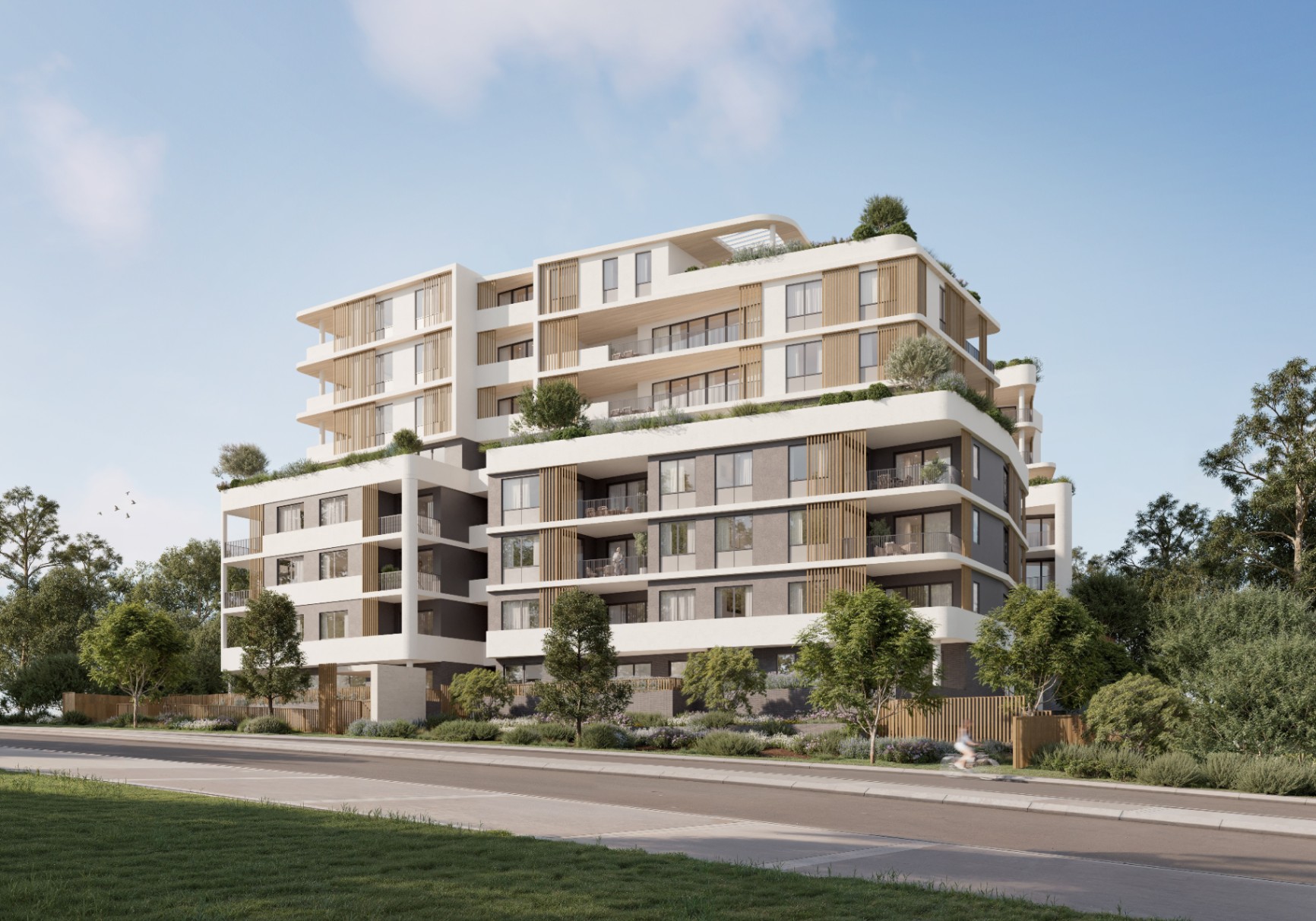 Coposit | Buy with $10K | Sydney Real Estate Market | Buy Property in NSW
Elora | Castle Hill NSW | $10K deposit | Secure with $10k and $1,537 x 97 weeks
The relationship between walkability and property values is well-documented in the Australian context. Properties in highly walkable suburbs consistently command a premium over comparable properties in car-dependent locations, and that premium has grown over the past decade.
Walkable suburbs also tend to maintain their value more reliably in market downturns. The structural demand from multiple buyer types -- young professionals, families who want school access and daily convenience, downsizers who want lifestyle simplicity -- creates a broader buyer pool at resale that supports values even when broader market conditions soften.
For investors, walkability affects rental yields indirectly through vacancy rates and days-on-market. Highly walkable suburbs typically have lower rental vacancy and shorter re-letting periods than car-dependent locations because the tenant pool is larger and more consistent.
For buyers purchasing off the plan through Coposit, walkability is one of the most important location factors to assess before committing to a purchase. The apartment is fixed at exchange. The location is permanent. A walkable location that was convenient when you purchased is still convenient ten years later. A car-dependent location that required two cars when you purchased still requires two cars ten years later.
When assessing walkability before exchange, walk the route from the property to the nearest train station, the nearest supermarket, and the nearest everyday retail precinct. Do not rely on map application estimates. The quality of the physical environment -- footpath condition, crossing availability, street activation -- matters as much as the raw distance.
Current Coposit projects that score highly on walkability include ERA Newcastle and Tempo at Cambridge Quarter in Newcastle West, both positioned within the Newcastle inner-city precinct with strong access to transport and everyday amenity. In Sydney, projects like Cosmopolitan Parramatta and Rhodes Bay offer the walkable, transit-connected urban lifestyle that drives sustained rental and resale demand.
Read What Makes a Good Location for a First Home Buyer for a complete location assessment framework.
Read Should You Buy in an Established Suburb or a New Growth Area for a complete analysis of how location type affects long-term value.
Browse current Coposit listings on the projects page, download the Coposit app, or contact the Coposit team to discuss the walkability credentials of specific projects.
This article is general information only and does not constitute financial advice. Always seek independent financial advice before making any property decisions.
Share this article



Follow Coposit:


© 2025 Copyright Coposit.

