

One of the most persistent sources of paralysis among first home buyers is the belief that the first purchase needs to be the right long-term answer. The suburb that will suit you in fifteen years. The apartment size that will accommodate a family that does not yet exist. The location that will work for a career trajectory that has not yet unfolded.
This belief causes buyers to delay, over-research, and hold out for a standard of certainty that simply does not exist in any property purchase.
The reality is that most first home buyers sell within five to ten years. The first purchase is a financial entry point, not a life sentence.
The first home purchase serves three primary purposes that are distinct from the purposes of a forever home.
It gets you into the market. The compounding effect of property ownership -- equity growth as values appreciate, mortgage reduction through repayments, the protection against rental cost increases -- begins at the moment of purchase, not at the moment you find the perfect property. Every year spent continuing to save while the market moves is a year of foregone equity.
It builds financial capital. The deposit you accumulate as a first home buyer, combined with the equity built during the ownership period, becomes the foundation for the next purchase. Many buyers find that the property they could not afford at their first purchase becomes accessible at their second, precisely because the first purchase gave them a platform to build from.
It provides housing security. Owning your home removes the uncertainty of rental market conditions, the risk of lease non-renewal, and the inability to modify your living environment that renters face. These are real and substantial benefits that begin on settlement day, not at some future point when the property becomes perfect.
 Coposit | Buy with $10K | Sydney Real Estate Market | Buy Property in NSW
Walden | North Sydney | Buy with $10K deposit | Secure with $10k and $2,256 x 98 weeks
The first home purchase almost always involves some form of compromise relative to the ideal. A smaller apartment than the eventual goal. A suburb that is not the preferred long-term location. A project settling in a timeline that does not perfectly align with ideal personal timing.
These compromises are often treated as failures or concessions rather than as rational decisions made within actual constraints. They are not compromises relative to staying out of the market. They are rational entry points that provide real benefits now and a platform for the next step.
The buyer who purchases a two-bedroom apartment in a good location with strong transport access, even if they would prefer a three-bedroom apartment closer to the CBD, has made a decision that serves their interests better than waiting for the three-bedroom CBD apartment to come within reach. The two-bedroom apartment grows in value, the mortgage reduces, and the next purchase becomes more accessible than it would have been if the first purchase never happened.
The financial position at the second purchase is typically much stronger than at the first, for several reasons that are direct products of having made the first purchase.
Equity built during the first ownership period contributes to the deposit on the second purchase. If the first property appreciated by 5% annually over five years, a $700,000 apartment is worth approximately $893,000. The equity in that property, combined with the mortgage reduction from five years of repayments, provides a substantially larger deposit for the next purchase than the buyer started with.
Income typically grows over the ownership period. A buyer who stretched to service a mortgage at their first purchase at age 28 may find the same mortgage significantly more comfortable by their early thirties as income has grown. The borrowing capacity for the second purchase reflects this improved income position.
The experience of the first purchase also makes the second one less intimidating. Buyers who have been through exchange, construction, settlement, and ownership once are better equipped to make decisions at the second purchase than they were at the first.
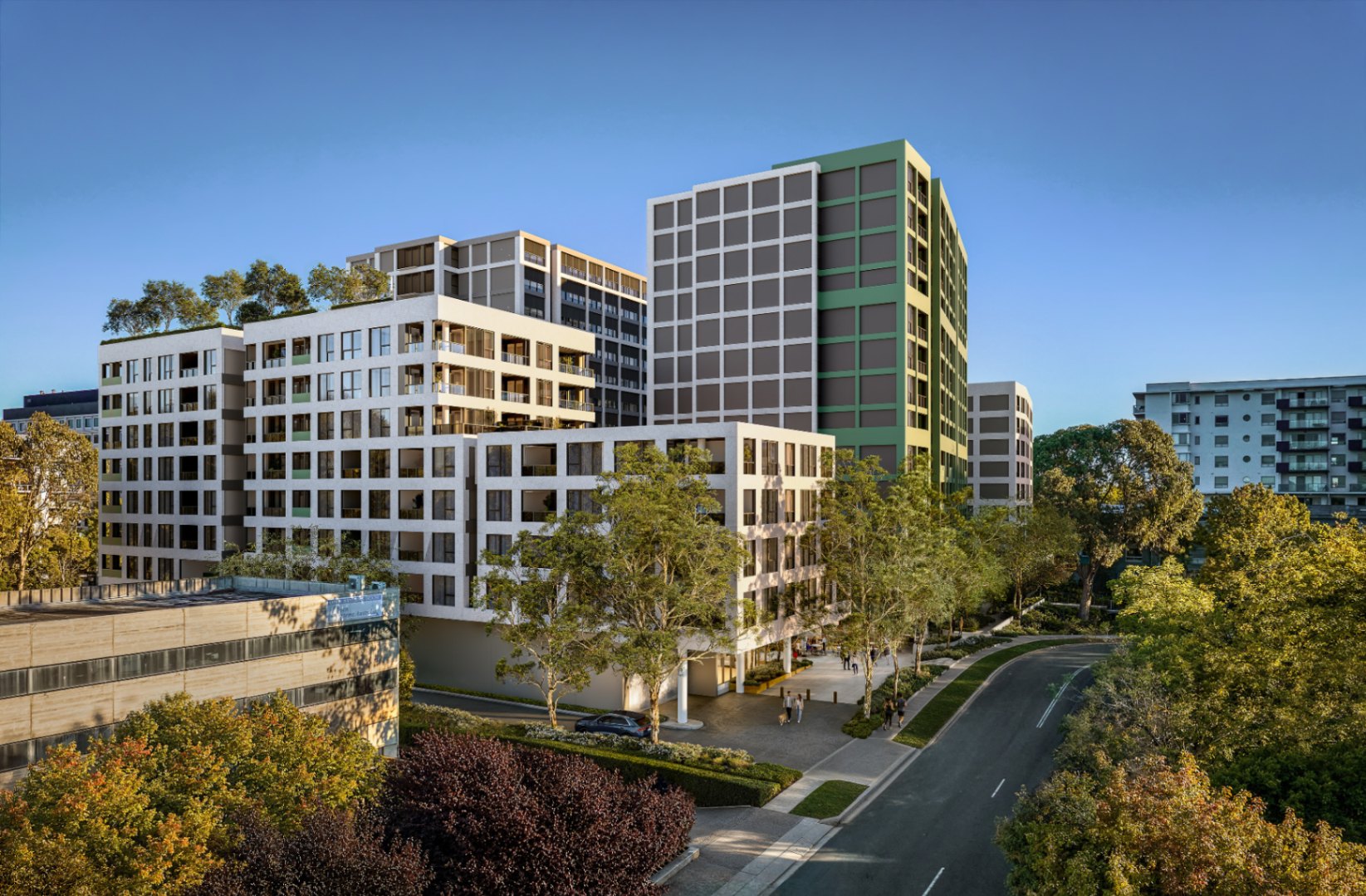 Coposit | Buy with $10K | Canberra Real Estate Market | Buy Property in ACT
Gateway Braddon | Braddon ACT | $10K deposit | Secure with $10k and $167 x 74 weeks
If the first home is not a forever home, what should it be?
Location over size. A smaller apartment in a well-located, walkable suburb with strong transport access will appreciate more reliably than a larger apartment in a poorly located suburb. The location is what builds equity. The size can be increased at the next purchase.
Quality over quantity of space. A well-designed, light-filled smaller apartment is a better first home than a larger apartment with poor natural light, awkward floor plan, and inadequate storage. You will live in it for five to seven years. The quality of the daily experience matters.
Financial sustainability over stretch. A purchase that is genuinely within your financial capacity, with a buffer for unexpected costs and life events, is a better first home than one that maximises the purchase price at the cost of financial stress throughout the ownership period.
Read Should You Prioritise Location or Apartment Size When Buying for a complete framework on making the location versus size trade-off.
Read How Much Cash Do You Actually Need Before Signing a Property Contract for a complete guide to the financial readiness question.
Browse current Coposit first home buyer listings on the projects page, download the Coposit app, or contact the Copsoit team to discuss which projects suit a first home buyer's financial position and lifestyle priorities.
This article is general information only and does not constitute financial advice. Always seek independent financial advice before making any property decisions.
Share this article



Follow Coposit:


© 2025 Copyright Coposit.

