

The standard Australian residential lease is twelve months. This has been the dominant structure for private rental tenancies in Australia for decades, and it shapes the lived experience of renting in ways that are so familiar that many people do not stop to consider them as a policy choice rather than a natural feature of the housing market.
A twelve-month lease means that the fundamental terms of a renter's housing arrangement are renegotiable every year. Rent can be reviewed, often upward. The landlord can decide not to renew for any number of reasons, including selling the property, wanting to move in themselves, or simply preferring a different tenant. The renter faces an annual cycle of uncertainty that shapes how they plan their life, their spending, and their relationship to the place they live in.
The question of whether longer leases (two, three, or five years as a standard) would meaningfully change renting in Australia is worth taking seriously, as it has in the countries that have tried it.
Several European countries have housing markets built around long-term private rental arrangements that look quite different from the Australian model.
Germany is the most frequently cited example. German residential tenancy law offers renters strong protections against eviction, and leases of indefinite duration with regulated rent increases are common. The result is a rental market where long-term renting is a genuinely stable housing option, and where the cultural assumption of homeownership as the destination of a successful adult life is less dominant than in Australia or the UK.
The Netherlands has a similar structure for social housing, though the private rental market is more varied. Austria, Denmark, and Sweden all have rental markets with structural features that provide more security than the standard Australian twelve-month arrangement.
The common thread in markets where long-term renting is more stable is a combination of longer minimum tenancy periods, stronger restrictions on landlord termination of leases, and some form of rent regulation or capped increase mechanism. It is the combination of these elements, rather than any single one, that produces meaningful stability.
What Would It Take to Make Renting More Secure in Australia? covers the Australian legislative reform landscape in more detail, including the patchwork of recent changes across states.
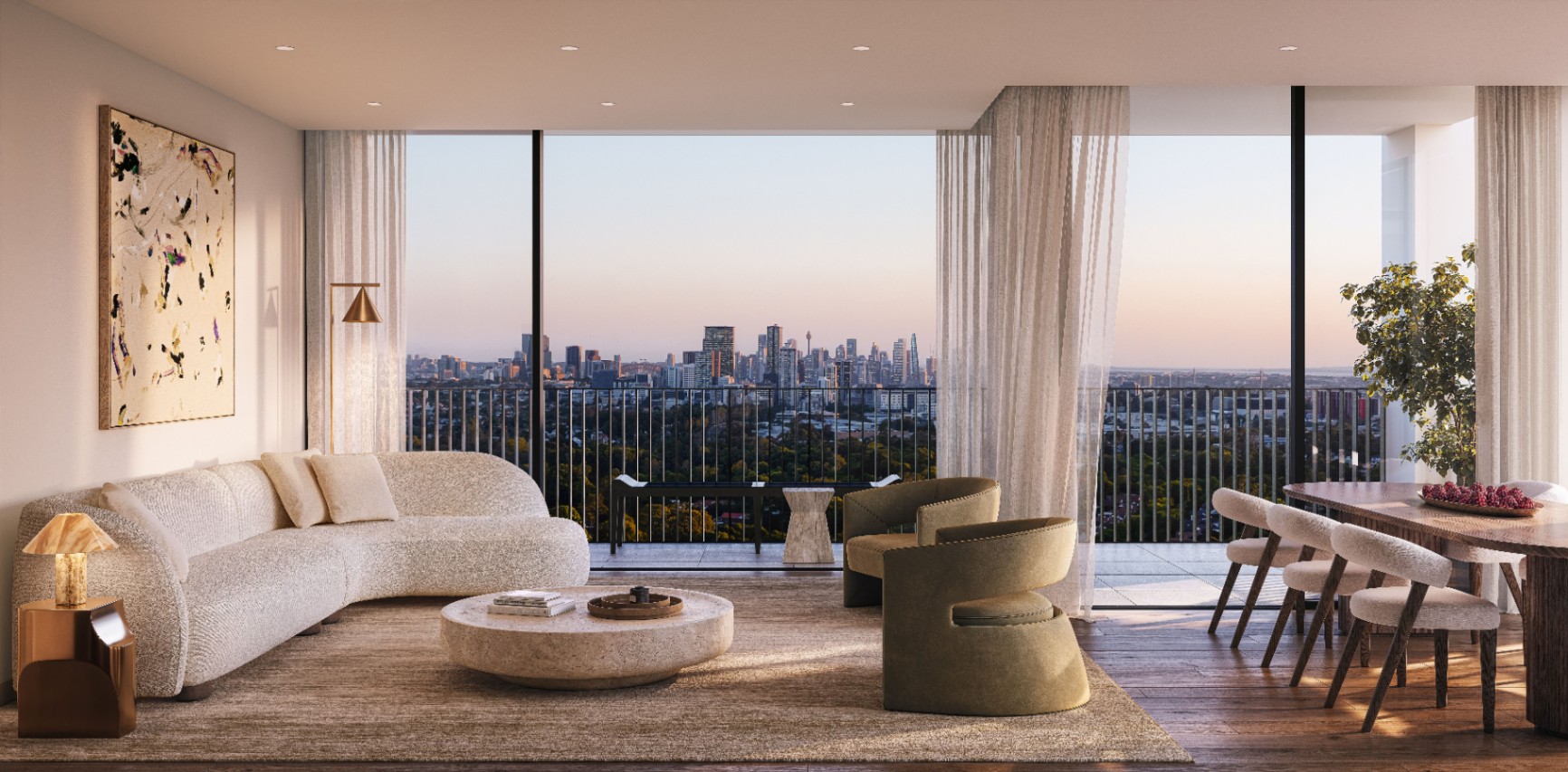 Coposit | Buy with $10K | Chatswood Real Estate Market | Buy Property in NSW
Celine | Chatswood NSW | $10K deposit | Secure with $10k and $658 x 152 weeks
The arguments for longer standard leases in the Australian market are primarily about stability for renters and the downstream effects of that stability.
Families with school-aged children, as covered in Why Rental Stability Matters for Families With School-Aged Children, have a specific need for housing certainty that maps directly onto school years. A three-year lease would cover a child's full primary school transition period. A five-year lease would span most of a secondary school career. The ability to plan schooling with confidence would be meaningfully changed by a longer standard lease term.
For renters more broadly, longer leases reduce the frequency of the significant costs associated with moving. Bond, moving expenses, connection fees, and the transaction costs of finding and applying for a new rental represent thousands of dollars and significant time spent each time a tenancy ends. The financial and practical cost of annual lease uncertainty adds up meaningfully over a renting career.
For landlords, longer leases provide their own form of stability: certainty of income, reduced vacancy risk, and lower costs associated with tenant turnover and re-letting. The commonly cited landlord preference for short leases is partly a preference for flexibility, but partly a convention that a different market structure might not require.
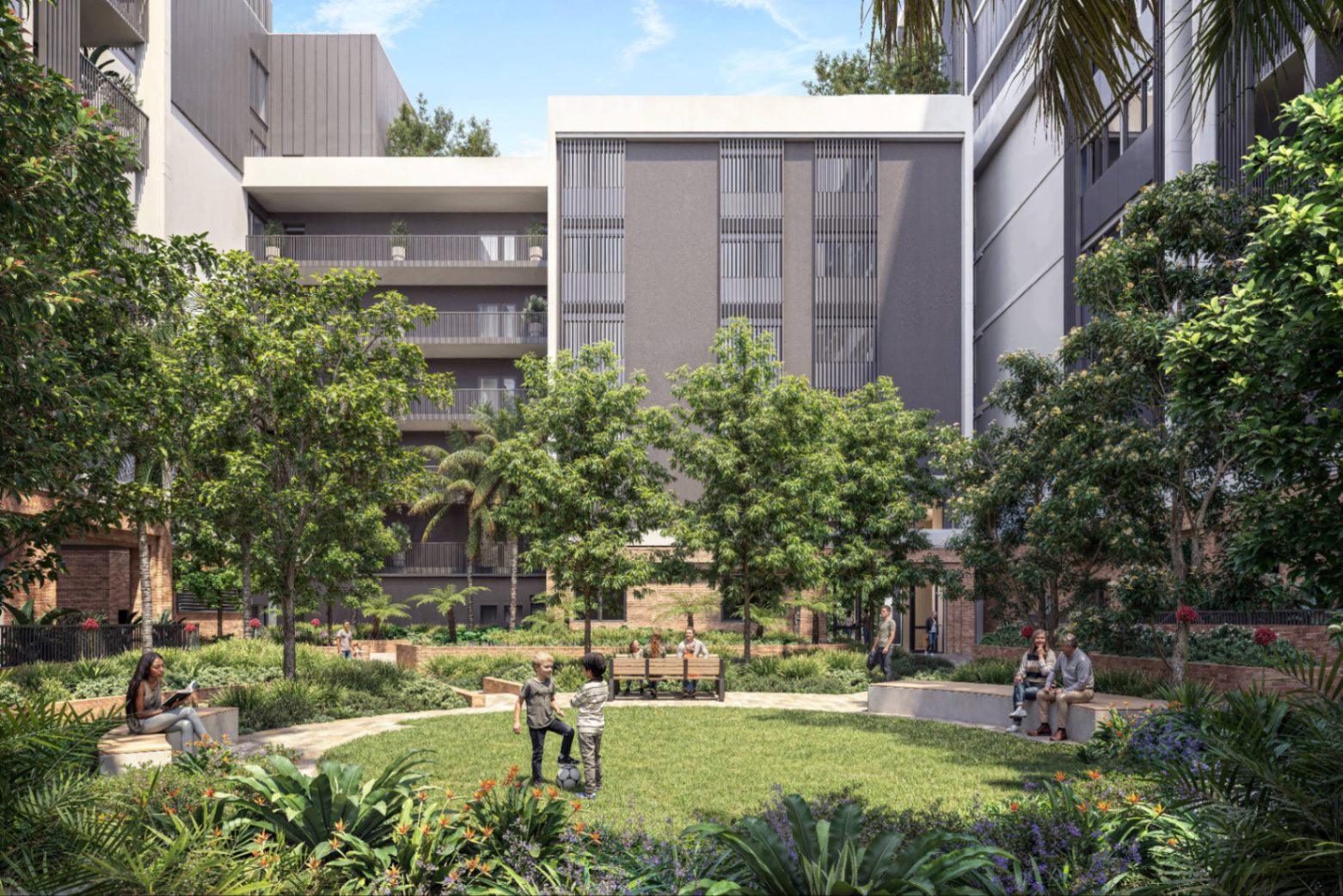 Coposit | Buy with $17K | Sydney Real Estate Market | Buy Property in NSW
Dawn | Melrose Park NSW | $17K deposit | Secure with $17k and $236 x 78 weeks
The case for longer leases does not answer all the practical questions that would need to be resolved for them to function well in the Australian market.
The question of rent increases within a long lease is central. A landlord willing to offer a three-year lease at current market rent may be unwilling to do so if that rent is fixed for the full three years in a market where their costs, including mortgage repayments, can rise. A mechanism for capped rent increases within a long lease, as exists in many European markets, is typically part of the package rather than an add-on.
The question of exits for both parties matters. Tenants' circumstances change through job moves, family changes, and relationship breakdowns. Landlords' circumstances change too. A long lease needs clear and fair mechanisms for both parties to exit under defined conditions without the lease becoming a trap rather than a source of stability.
The question of property maintenance during a long lease, and who bears the cost and responsibility for which types of maintenance, becomes more significant over a three or five year term than over twelve months. The existing framework of landlord responsibility for structural maintenance and urgent repairs, and tenant responsibility for general cleanliness and minor upkeep, would need to be clearly applied across a longer period.
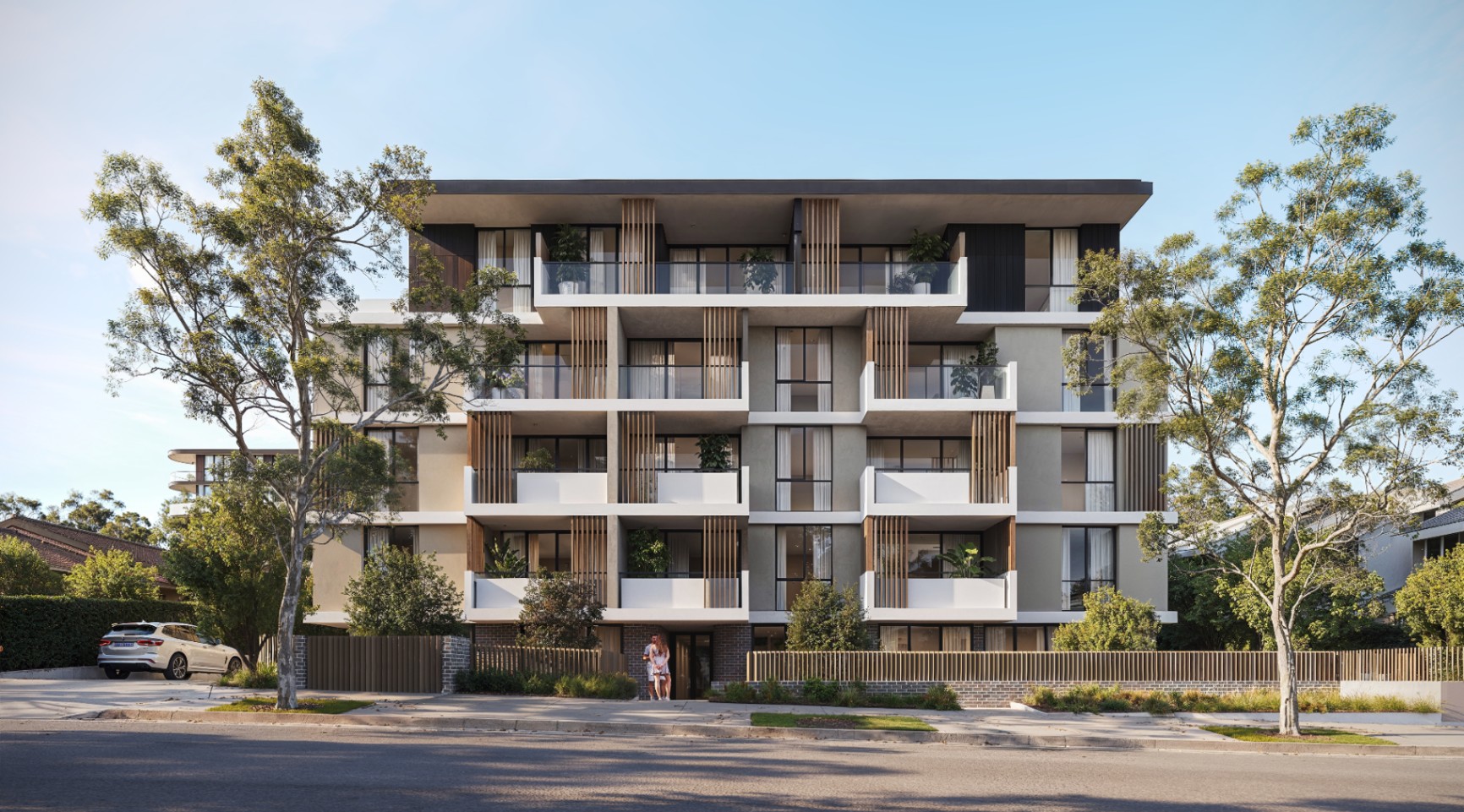 Coposit | Buy with $10K | Heathcote Real Estate Market | Buy Property in NSW
Strickland House | Heathcote NSW | $10K deposit | Secure with $10k and $254 x 140 weeks
The Australian rental market today does not offer long leases as a standard feature. Most renters are on twelve-month leases or periodic arrangements. Renters who want longer leases can ask for them, and some landlords will agree, but there is no structural incentive or legislative requirement for landlords to offer longer terms.
For renters who want housing certainty and are not in a position to access it through the existing rental market, the alternative conversation is about what pathway to ownership might be available. Ownership provides the stability that long leases would theoretically provide in a reformed market, without dependence on a landlord's willingness to agree to a non-standard term.
Could Rent-to-Own Models Change the Way Australians Become Homeowners? covers how different models for bridging the gap between renting and owning are emerging in the Australian market.
For renters who are ready to explore the path to ownership, Coposit lets eligible buyers secure a brand new off-the-plan property with $10,000 upfront and build their deposit through weekly instalments during construction. The housing certainty that comes with ownership does not require waiting until a reformed rental market arrives. See what is available, download the app, or talk to the Coposit team.
Share this article



Follow Coposit:


© 2025 Copyright Coposit.

