

The conventional path to homeownership in Australia follows a linear sequence. Save a deposit, typically 10% to 20% of the purchase price, secure a loan, sign a contract, complete the purchase. The model is well understood, widely practised, and increasingly inaccessible for the portion of the population whose income does not allow meaningful savings while paying market-rate rent.
Rent-to-own is a category of models that attempts to bridge this gap by blending elements of renting and ownership in a single arrangement. It is not a new idea globally, but it remains uncommon in Australia and is often misunderstood. Examining what these models actually involve, what their advantages and limitations are, and how Australian innovation is beginning to offer something more purpose-built helps buyers understand what is genuinely available.
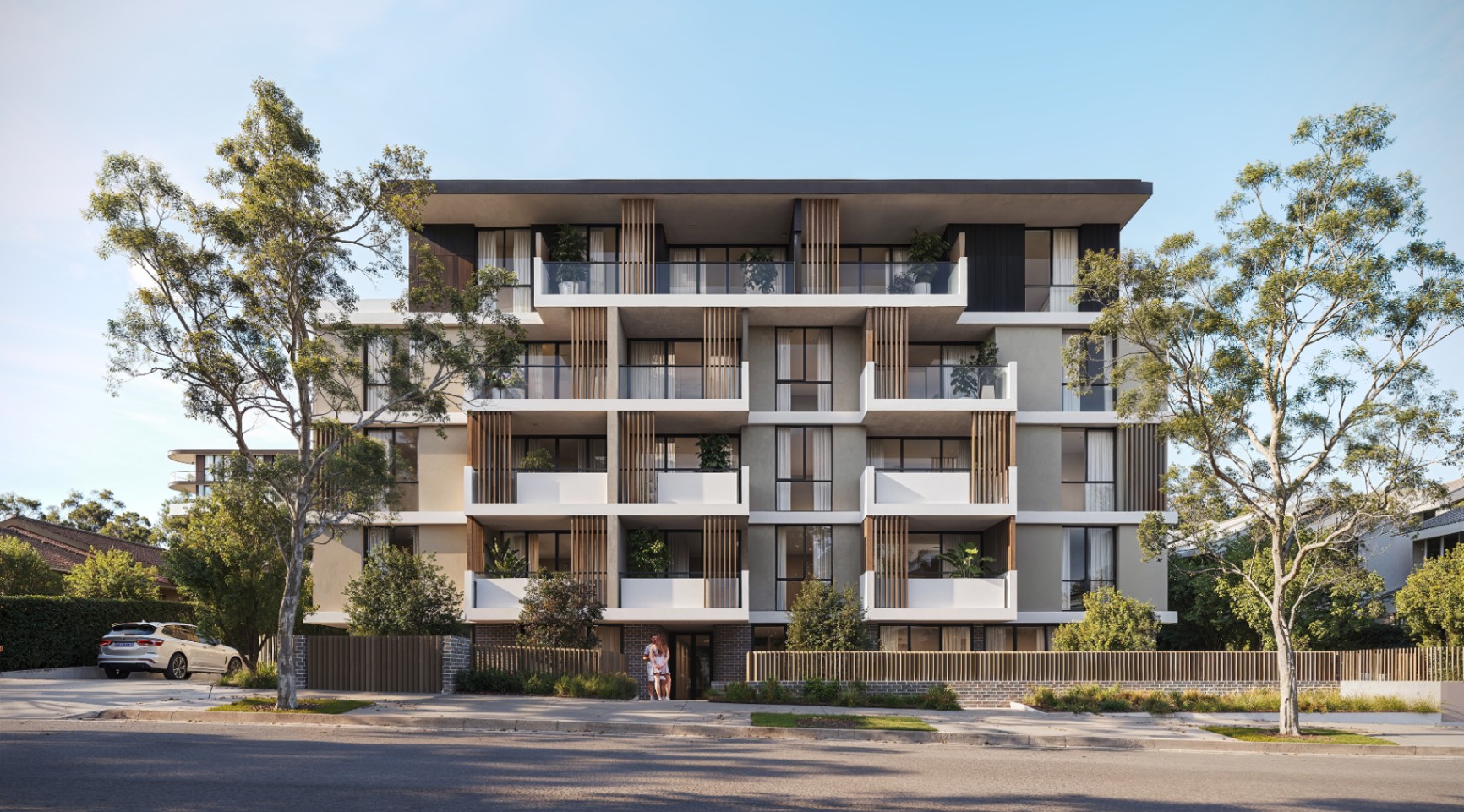 Coposit | Buy with $10K | Sydney Real Estate Market | Buy Property in NSW
Strickland House | Heathcote NSW | $10K deposit | Secure with $10k and $254 x 140 weeks
Rent-to-own, also called rent-to-buy or lease-option, describes arrangements in which a person occupies a property as a tenant with an option to purchase it within a defined period, typically one to five years. A portion of each rent payment may be credited toward the eventual purchase price or deposit. At the end of the option period, the tenant can exercise the option and complete the purchase, or elect not to.
The arrangements vary significantly in their terms and the protections they offer. A well-structured rent-to-own arrangement includes a clear purchase price fixed at the start of the agreement, transparent accounting of how rent credits accumulate and how they apply to the purchase price, a defined option period and exercise mechanism, and clarity about what happens if the option is not exercised.
Poorly structured arrangements can place buyers in positions where they have paid premiums above market rent for years and accumulated credits that cannot be converted into a completed purchase for reasons related to the buyer's credit or the seller's circumstances. Due diligence on the specific arrangement and the entity offering it is essential.
Several factors have limited the adoption of rent-to-own models in Australia relative to their prevalence in some other markets.
The Australian lending system is oriented toward conventional mortgage products, and the regulatory framework for non-standard lending arrangements has historically been less clear. Providers operating rent-to-own models must navigate complex consumer credit law, and the compliance burden has limited the number of providers willing to operate at scale.
Property prices in major Australian cities have historically appreciated faster than rent credit accumulation could keep pace with, which meant buyers entering rent-to-own arrangements sometimes found that the fixed purchase price agreed at the start was below market value at exercise, which was positive, but that their accumulated credits were a small proportion of the overall purchase, reducing the financial advantage.
The fundamental tension in traditional rent-to-own is that the renter is still renting, still building someone else's equity, and still carrying the uncertainty of whether the purchase will complete at the end of the option period. It is a middle ground that satisfies neither the renter's desire for stability nor the owner's desire for security.
 Coposit | Buy with $18K | Sydney Real Estate Market | Buy Property in NSW
Aeris | Melrose Park NSW | $18K deposit | Secure with $18k and $246 x 79 weeks
The rent-to-own conversation points to a genuine problem: Australians who want to own but cannot reach the conventional entry point need a mechanism that builds genuine progress toward ownership rather than offering an option that may or may not convert.
What renters in this position often lack is not the desire to own, or even the income to support ownership once it is achieved. What they lack is the transition mechanism: a way to start building equity and commitment before the full deposit is assembled, while continuing to live in a rental situation that reflects their current life.
What would it take to make renting more secure in Australia covers the structural limitations of Australia's rental market. The rental trap: why moving frequently can cost more than you think documents what the renting period actually costs financially. The cumulative picture is of a market where renting long-term is expensive, insecure, and structurally resistant to the kind of financial progress that leads to ownership.
Unrent by Coposit is not a rent-to-own product. It is something more direct: a structure designed specifically for renters who are not yet ready to buy but want to start building toward ownership now, in a way that is financially meaningful rather than symbolic.
Unrent allows renters to contribute a set amount each week into a purpose-built savings structure tied to their future property goal. The contributions accumulate in a structured way that is designed to build the deposit for a Coposit-eligible off-the-plan purchase. Rather than hoping that rent credits eventually convert into equity through a complex legal arrangement, Unrent renters are building a real deposit, week by week, while continuing to live in their current rental.
The distinction matters. In a traditional rent-to-own, the renter is paying above-market rent with an option attached and hoping the option converts. In Unrent, the renter is renting at market rate and simultaneously building genuine savings that will fund a real purchase. The two goals, renting now and buying later, are not conflated into a single ambiguous arrangement. They are kept separate and both executed properly.
Is rentvesting still a smart strategy for first home buyers covers the related approach of renting in one location while purchasing in another. Unrent operates in a similar philosophical space: renting and building toward ownership are not mutually exclusive, and the transition between them does not need to be a single cliff-edge event.
Unrent by Coposit | Break the Rental Cycle | Join the Waitlist Today to See If You’re Eligible
The Unrent model fits the structural realities of the Australian market in ways that imported rent-to-own models have not.
Australian renters who want to own typically have the income to support mortgage repayments but lack the lump sum deposit that the conventional process requires. They are not fundamentally unable to own. They are stuck in the accumulation phase, with rent consuming the savings capacity that would otherwise build the deposit faster.
Unrent addresses this by making the savings accumulation active and structured rather than passive and residual. The renter does not save whatever is left after rent. They commit to a weekly Unrent contribution alongside their rent, in the same way a mortgage is a committed weekly outflow, and they build toward the purchase with that commitment reinforced by the structure.
The hidden psychology behind Australia's property obsession is relevant here. The psychological barrier between renting and owning is partly about the felt distance between the current situation and the ownership goal. Unrent closes that distance by making the transition active from the moment a renter decides they want to own, not only from the moment they have saved enough to enter the conventional process.
Rent increases, moving costs and the challenge of financial stability and how rental history could influence the future of home lending both point to a renting population that is financially active, financially capable, and currently underserved by a system that treats the renting and buying phases as entirely separate.
Unrent by Coposit | Join the Waitlist and Explore a New Path to Home Ownership
The policy interest in rent-to-own models reflects a genuine recognition that the conventional deposit and mortgage system leaves a significant group of capable, motivated buyers on the outside for longer than necessary. The response to this recognition, in Australia, is not best served by importing a model that has structural weaknesses.
It is better served by purpose-built structures that do what renters actually need: a clear, financially sound, legally straightforward way to start building toward ownership from within the rental market, without the ambiguity of an option that may or may not convert.
Unrent by Coposit is built for this. And for buyers who are further along, Coposit's off-the-plan model allows eligible buyers to secure a property with $10,000 upfront and weekly deposit instalments during construction.
Browse current eligible developments on the Coposit projects page, download the Coposit app, or contact the Coposit team to understand how both Unrent and Coposit work.
Share this article



Follow Coposit:


© 2025 Copyright Coposit.

