

Australia has one of the most deeply held cultural attachments to homeownership in the developed world. The phrase "the great Australian dream" is not marketing language. It reflects something genuine and persistent in the national psychology, a belief that owning the home you live in is not merely a financial decision but a defining milestone of adult life and a marker of stability, belonging, and success.
Understanding the psychology behind this attachment, where it comes from, why it endures, and how it shapes decision-making, helps explain why the property market behaves the way it does and why Australians often make housing choices that cannot be fully explained by financial logic alone.
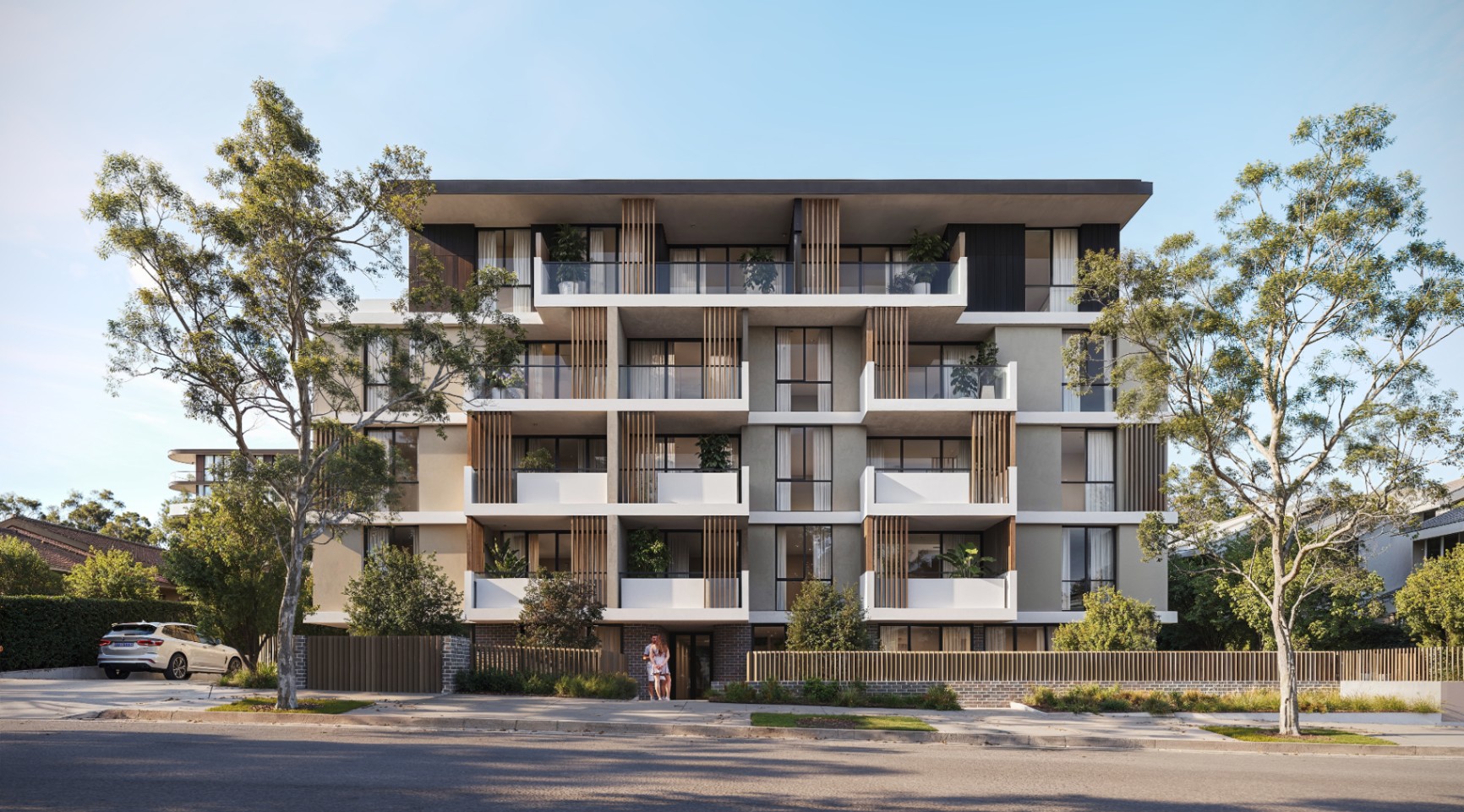 Coposit | Buy with $10K | Heatcote Real Estate Market | Buy Property in NSW
Strickland House | Heathcote NSW | $10K deposit | Secure with $10k and $254 x 140 weeks
The psychological relationship Australians have with homeownership has historical roots that run deep. The postwar era of the mid-20th century established the template: a house on a block of land, owned outright or on a manageable mortgage, represented security that a generation shaped by the Depression and wartime uncertainty had not taken for granted. That generation transmitted the value of ownership to their children, who transmitted it to theirs, and the cultural expectation has reproduced itself across decades even as the economic conditions that created it have changed dramatically.
Land ownership specifically carries a weight in Australian cultural consciousness that apartment or strata ownership does not fully replicate for many buyers, even when the apartment is functionally superior on every measurable dimension. This is partly historical and partly spatial: Australia is a large country with a strong relationship between land and identity that does not exist in the same way in more densely populated nations.
Is apartment living becoming the new Australian dream examines how this attachment is beginning to shift among younger buyers who are applying different criteria to the question of what constitutes a desirable home.
One of the most powerful psychological drivers of homeownership desire is the security motive: the feeling that owning the place you live in protects you from forces outside your control. A renter can be asked to vacate. Rents can increase. A lease can end without the tenant choosing it. These are real vulnerabilities, and the desire to be free of them is psychologically understandable.
The security motive helps explain why Australians who are financially capable of investing their savings in a diversified portfolio often choose to invest in property instead, even when the diversified portfolio might produce a better return. The property is visible, tangible, and lived in. The security it provides is immediate and felt daily, not abstract and reported quarterly.
What would it take to make renting more secure in Australia addresses whether the rental market could be reformed to reduce the insecurity that drives this security motive. Many countries with comparable or higher living standards, including Germany, Austria, and the Netherlands, have rental markets with strong tenant protections and long lease terms that have produced cultures where renting is a genuinely neutral or positive choice rather than a default for those who cannot yet buy.
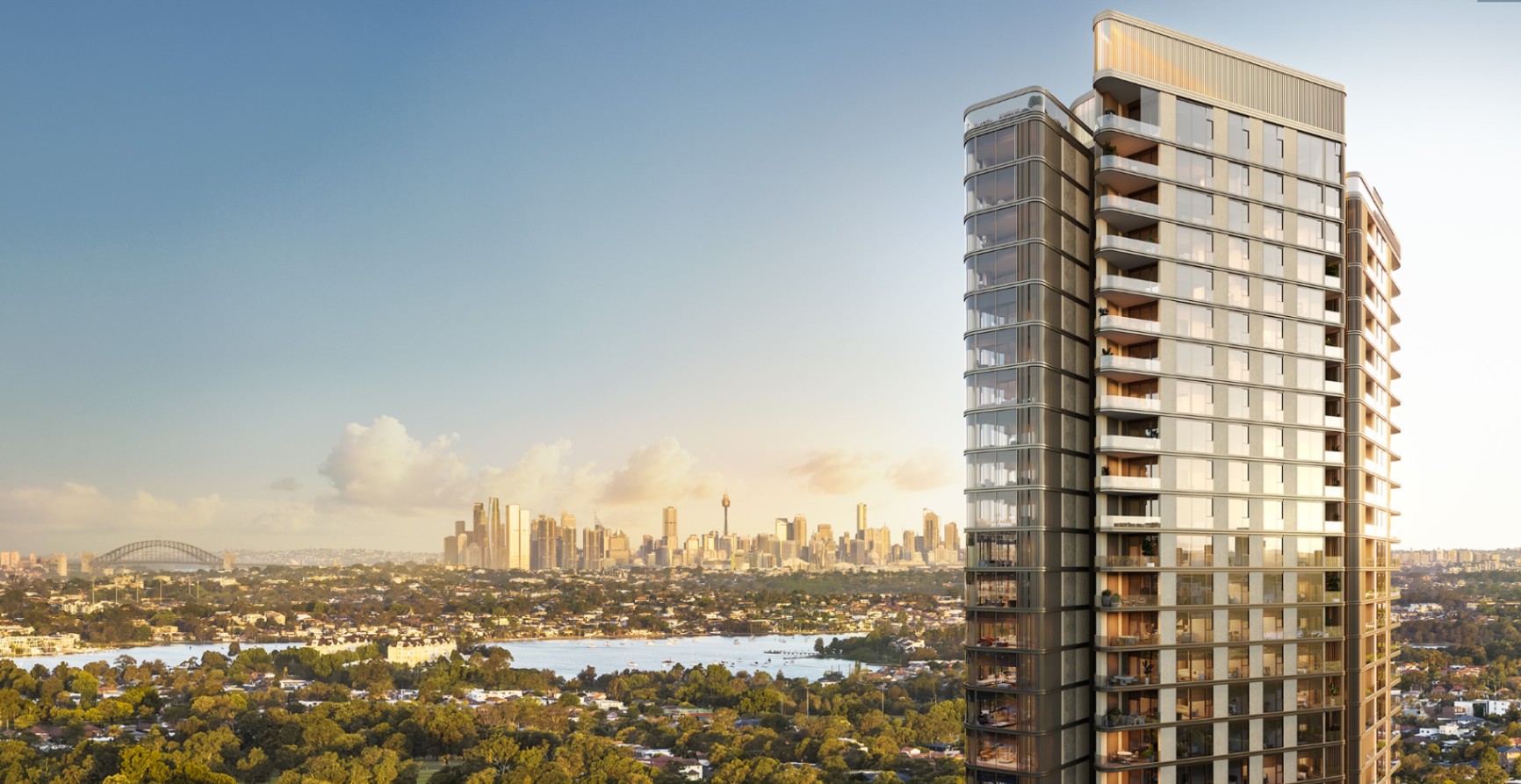 Coposit | Buy with $10K | Sydney Real Estate Market | Buy Property in NSW
Concord Central | Concord West | $10K deposit | Secure with $10k and $418 x 151 weeks
Property is one of the most visible status markers in Australian social life. The suburb you live in, the type of property, whether you own or rent: all of these carry social meaning that affects how people see themselves and how they believe others see them.
This status dimension of property creates psychological pressure to own that exists independently of the financial case. Research in behavioural economics consistently demonstrates that social comparison is a powerful motivator of economic behaviour, and housing is one of the domains where comparison effects are strongest.
The biggest property regrets Australians have after buying is revealing on this point. Buyers who rushed purchases they later regretted frequently describe social pressure, a sense of being left behind, or a fear of missing out as significant factors in their decision-making. The psychology of social comparison drove the timing even when the financial or practical case for waiting or choosing differently was sound.
The changing meaning of homeownership for young Australians tracks how this status dynamic is evolving as homeownership becomes less achievable for a larger share of the population. When a milestone becomes inaccessible rather than merely deferred, its role as a status marker changes.
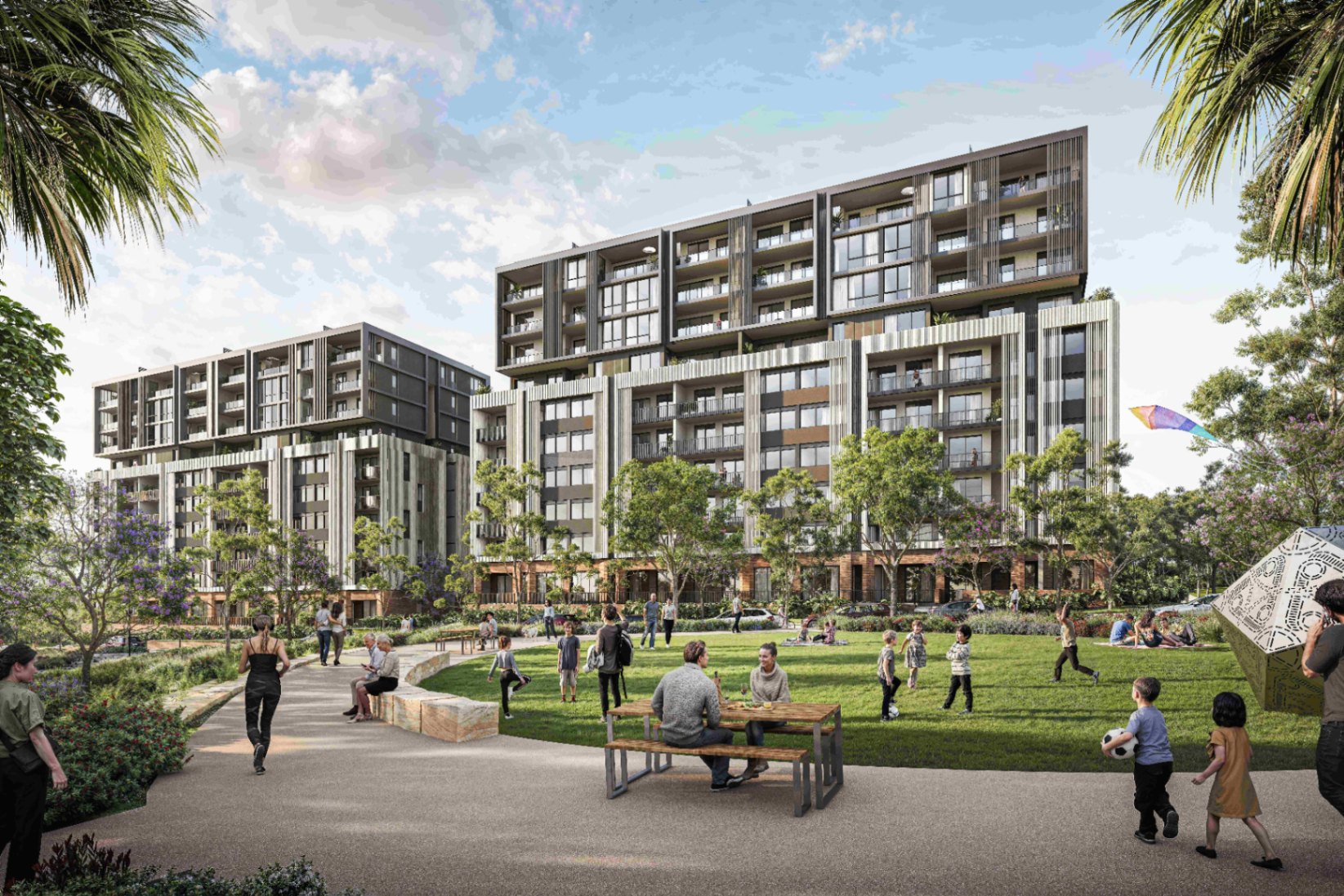 Coposit | Buy with $10K | Sydney Real Estate Market | Buy Property in NSW
Dawn | Melrose Park NSW | $17K deposit | Secure with $17k and $323 x 57 weeks
Behavioural economics identifies loss aversion as one of the most robust findings in the psychology of decision-making. Losses feel roughly twice as bad as equivalent gains feel good. In property, this manifests in a powerful reluctance to accept a loss on a purchase, even when holding a declining property is financially inferior to selling and redeploying the capital.
It also manifests in the psychology of saving for a deposit. Once a buyer has accumulated $50,000 toward a $100,000 deposit, the sunk cost effect and loss aversion combine to make continuing toward the original goal feel more compelling than reconsidering whether the target is right. This can be useful, sustaining commitment through a long savings period, and it can be counterproductive, keeping buyers locked onto a target that market conditions have made less appropriate than alternatives.
Can you buy a better home if you spread out your deposit introduces a structure that works with rather than against these psychological tendencies. Coposit's model allows eligible buyers to secure a property with $10,000 upfront and pay the remaining deposit in weekly instalments during construction. The weekly payment structure aligns with how most people experience their finances, making the commitment feel manageable rather than daunting, which reduces the psychological barrier to entry.
Once a property is owned, a different psychological effect takes hold. The endowment effect, the tendency to value things more highly once we own them, means that owners consistently rate their properties more positively than equivalent non-owners would rate the same property.
This is partly what makes Australians enthusiastic property owners: ownership creates genuine psychological investment in the home and the neighbourhood that makes the experience of living there richer. It is also part of what makes property pricing sticky in downturns: owners resist accepting prices that are below what they feel their property is worth, even when market evidence supports lower valuations.
Coposit allows eligible buyers to secure off-the-plan properties with $10,000 upfront and weekly instalments during construction, enabling earlier access to the psychological and financial benefits of ownership.
Browse current eligible developments on the Coposit projects page, download the Coposit app, or contact the Coposit team to learn more.
Share this article



Follow Coposit:


© 2025 Copyright Coposit.

