

Moving is understood to be stressful. What is less well understood is how expensive it is, not in an abstract sense but in specific, calculable costs that accumulate when moves happen repeatedly. For renters who move frequently, whether by necessity or preference, the financial cost of the moving pattern itself is one of the less visible factors eroding their capacity to save toward a property purchase.
 Coposit | Buy with $10K | Canberra Real Estate Market | Buy Property in ACT
Gateway Braddon | Braddon ACT | $10K deposit | Secure with $10k and $174 x 72 weeks
Before examining the pattern, it is worth establishing what a single move actually costs.
Removalists for a one-bedroom apartment in a major Australian city typically cost $400 to $900, depending on the distance, the volume of possessions, and whether stairs or a lift is involved. A two-bedroom apartment moves for $700 to $1,500. A three-bedroom house or apartment for $1,200 to $2,500.
Cleaning services for the vacated property, if the outgoing tenant is not cleaning themselves, cost $200 to $500 depending on the size and condition of the property. Carpet cleaning, often required as a lease condition, adds another $150 to $350. Connection fees for electricity, internet, and gas at the new address add $50 to $150. If the move involves time off work, the income cost adds further.
Across a single move, the direct costs are typically $800 to $3,000 before accounting for any time or income effects. For a renter who moves every twelve to eighteen months, these costs are a recurring annual expense of $800 to $3,000 that does not appear in the rent figure but is a genuine cost of their housing situation.
The hidden costs of moving house in Australia covers the full cost picture in detail.
Bond management is one of the most financially significant aspects of the frequent moving pattern and one of the least discussed.
At the start of each tenancy, a bond equal to four weeks rent is lodged with the relevant state authority. On a $550 per week rental, that is $2,200 locked away for the duration of the tenancy. On a $700 per week rental, it is $2,800.
The financial drag of bond is not just the amount itself but what happens to it in a frequent moving pattern. If bond from the previous tenancy has not been returned by the time the new bond is due, the renter must fund both simultaneously. Processing times vary, but bond refunds are not always instantaneous, and disputes over bond deductions can extend the timeline significantly.
Over a moving pattern of every eighteen months, a renter who maintains a $2,500 bond balance effectively has $2,500 permanently tied up in bond across their renting years. That money is not earning meaningful interest, is not being invested, and is not contributing to a deposit.
 Coposit | Buy with $10K | Sydney Real Estate Market | Buy Property in NSW
Avenue | Castle Hill NSW | $10K deposit | Secure with $10k and $867 x 75 weeks
Beyond the direct costs, frequent moves disrupt the savings patterns that deposit accumulation depends on.
The period immediately after a move typically involves elevated spending: the purchases needed to set up a new place, even if the renter has furniture, tend to produce a spending spike that is inconsistent with maximum savings rate. Utilities that needed to be connected, small household items needed for the new space, the inevitable restaurant and takeaway spending while the kitchen is in disarray: all of these represent a few weeks of reduced savings that add up when repeated regularly.
Rent increases, moving costs and the challenge of financial stability covers how the combination of rising rents and moving costs creates a compounding challenge for renters trying to save.
Not all frequent moves reflect preference. Some renters move regularly because landlords sell, issue end-of-lease notices, or raise rents to levels that make staying financially unsustainable.
Involuntary moves are more expensive than planned moves because they compress the preparation time, remove the ability to compare options carefully, and may require accepting a new rental with worse features or higher costs than the one vacated. They also impose an emotional and logistical toll that is difficult to quantify but real.
What would it take to make renting more secure in Australia addresses the policy dimension of this. The absence of long-term lease protections in most Australian jurisdictions is one reason involuntary moves are more common here than in countries with stronger tenant protections.
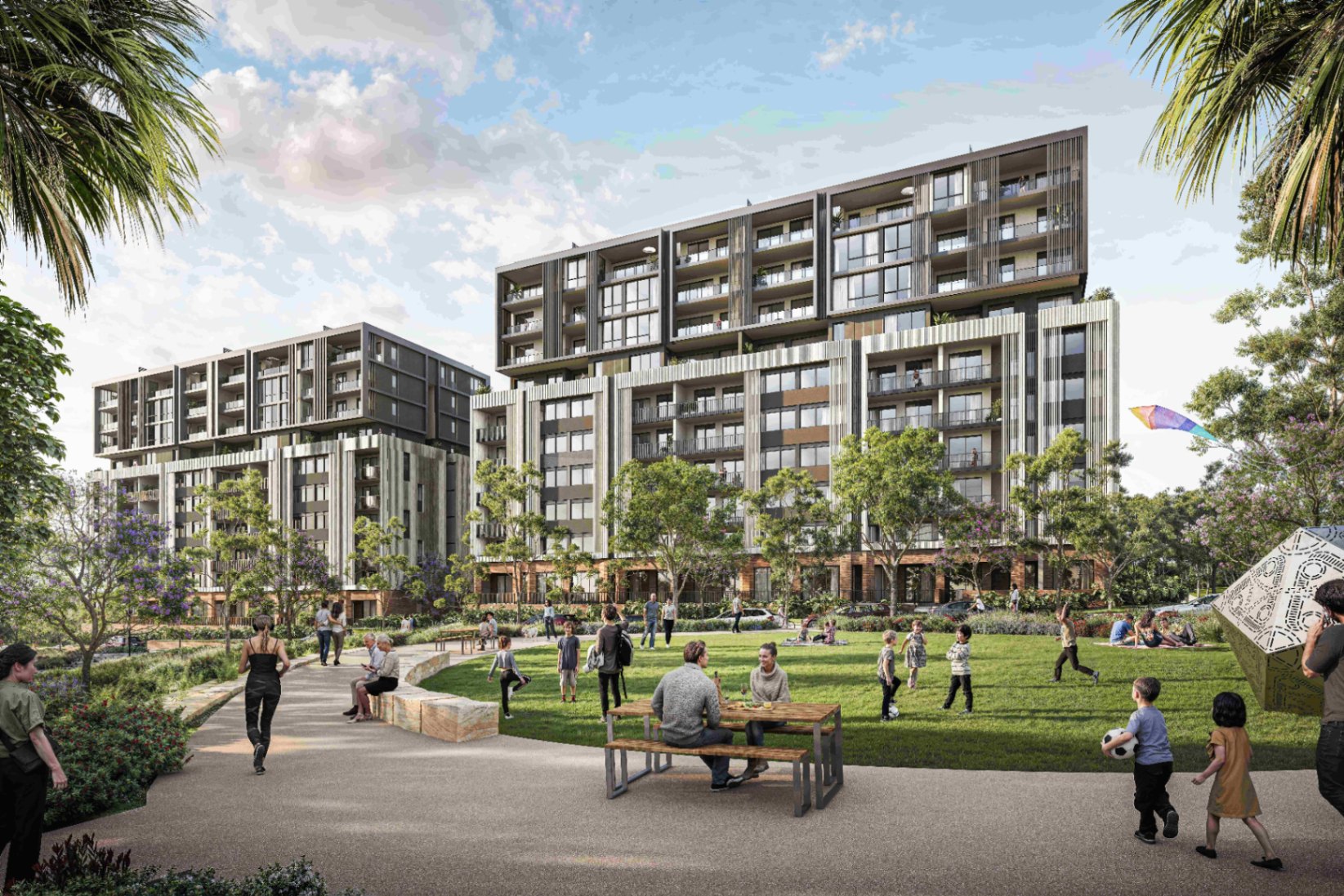 Coposit | Buy with $17K | Sydney Real Estate Market | Buy Property in NSW
Dawn | Melrose Park | $17K deposit | Secure with $17k and $236 x 78 weeks
The financial case for ownership relative to renting is often made in terms of equity accumulation and capital growth. The elimination of the moving cost pattern is a less discussed but genuine component of the comparison.
An owner-occupier who stays in the same property for ten years avoids the moving costs, bond cycles, and savings disruptions that a renter who moves five or six times in the same decade incurs. Over ten years at a conservative average moving cost of $1,500 per move, that is $7,500 to $9,000 in direct moving costs alone, plus the compounding opportunity cost of savings that were disrupted or delayed.
Coposit allows eligible buyers to secure off-the-plan properties with $10,000 upfront and weekly instalments during construction. For renters who are caught in the frequent moving pattern, the Coposit structure provides a path to ownership that does not require the full deposit to be assembled before a contract can be signed.
Browse current eligible developments on the Coposit projects page, download the Coposit app, or contact the Copsoit team to understand what is available now.
Share this article



Follow Coposit:


© 2025 Copyright Coposit.

