

For renters working toward a property purchase, the two greatest external threats to their financial plan are rent increases and involuntary moves. Both are outside the renter's control. Both can materially set back a deposit-saving timeline. And in the current Australian rental market, both are occurring at a frequency and scale that makes them central rather than peripheral considerations for anyone trying to build financial stability while renting.
 Coposit | Buy with $10K | Sydney Real Estate Market | Buy Property in NSW
Tempo | Newcastle West NSW | $10K deposit | Secure with $10k and $1000 x 67 weeks
A savings plan built around a specific weekly surplus assumes a specific weekly cost base. When rent increases, the surplus contracts without any change in income or discretionary spending. For a renter saving $400 per week toward a deposit on a current rent of $600 per week, a rent increase to $700 per week reduces the weekly saving to $300 unless the renter cuts other spending. That reduction compounds over twelve months to a deposit shortfall of $5,200.
In Sydney's current rental market, rent increases of $50 to $150 per week on renewal of twelve-month leases have been common. On the higher end, that is a $7,800 annual reduction in savings capacity per year of elevated rent, which can add nine to twelve months to the timeline for reaching a deposit target.
Sydney rent reaches $800 a week captures how the scale of rent growth has changed the savings mathematics for renters in the most expensive markets.
The compounding effect matters. A renter who experiences successive rent increases across two or three lease cycles can see their deposit timeline extend by years, not months, from a position where ownership felt close.
Not all rent increases are tolerable within an existing budget. When a lease renewal arrives with an increase that pushes the rent above what the renter can absorb without material reduction in savings rate, the alternatives are to stay and save less, or to move and incur the direct costs of moving while potentially finding a new rental that is comparable in price to the increased rent.
The decision to move is rarely the cost-free reset it might appear. The direct costs of a move, removalists, cleaning, bond in the new property while waiting for bond return from the old one, and connection costs, are well documented. But there are subtler costs that matter for someone trying to maintain a savings trajectory.
The time spent searching for a new rental, inspecting properties, submitting applications, and managing the logistics of a move is time diverted from paid work or from other productive activity. The emotional and cognitive load of a move disrupts routines that support consistent savings behaviour. And the first month in a new rental typically involves a spending spike on the small purchases needed to set up the new space.
The rental trap: why moving frequently can cost more than you think covers the cumulative cost pattern of frequent moves in detail.
 Coposit | Buy with $10K | Sydney Real Estate Market | Buy Property in NSW
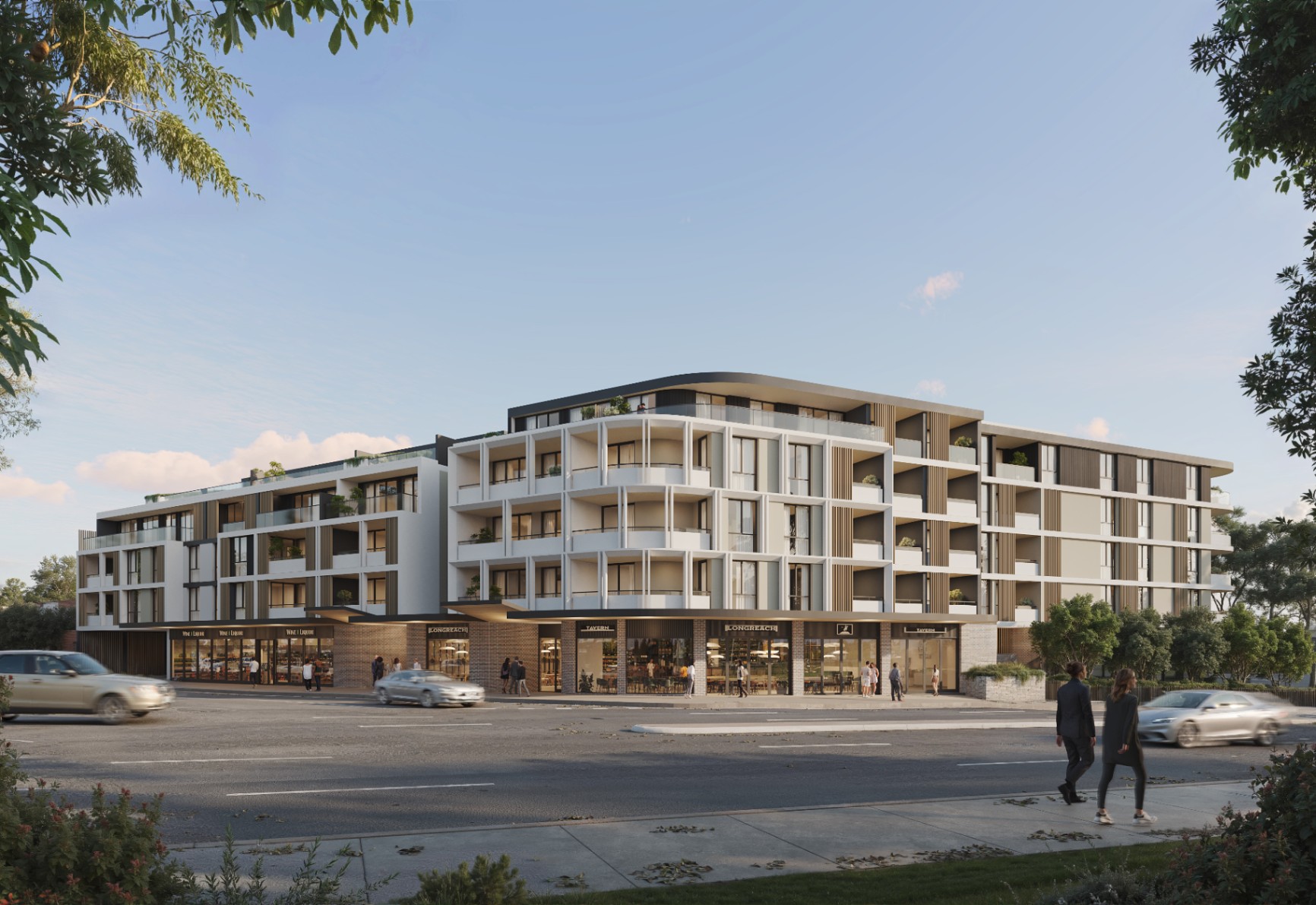
Strickland House | Heathcote NSW | $10K deposit | Secure with $10k and $254 x 140 weeks
The degree to which renters can push back on rent increases or negotiate lease terms depends significantly on vacancy rates in their local market. In a market with 1% rental vacancy, a renter who declines a rent increase and vacates is immediately replaced. The landlord has little incentive to negotiate. In a market with 4% or 5% vacancy, the same renter has more leverage.
Sydney and Brisbane have operated with vacancy rates well below 2% for extended periods, which has shifted bargaining power almost entirely to landlords and made rent negotiations largely theoretical for most renters.
What would it take to make renting more secure in Australia addresses the policy responses that would change this structural balance. But policy reform operates on timescales that are not helpful for a renter whose lease is up for renewal next month.
One practical response to the unpredictability of rent increases is to build rent volatility into the savings plan from the start rather than treating the current rent as a stable baseline.
A renter currently paying $600 per week who builds their savings plan assuming $650 per week within twelve months and $700 per week within two years is planning for the environment as it has been rather than assuming continuation of current conditions. If the increases do not materialise, the surplus goes to savings. If they do, the savings plan continues without requiring recalibration.
This approach requires a more conservative assessment of achievable weekly savings, which extends the apparent deposit timeline slightly. But the actual timeline, accounting for the rent increases that are likely to occur, may be shorter under this approach than under a plan built on current costs that is disrupted when increases arrive.
Is rentvesting still a smart strategy for first home buyers covers an approach that addresses the rent volatility problem from a different angle: purchasing in a market where prices work while continuing to rent in the preferred location.
Renters caught between rising rents and a deposit savings goal are trying to do two financially demanding things at once. Rent consumes a large and growing share of income. The deposit target sits at the end of a timeline that keeps extending as rent increases erode the weekly surplus. The conventional solution, save harder and spend less, has limits when rent absorbs 40 to 50% of take-home pay before discretionary spending begins.
Unrent by Coposit is built specifically for this situation. Rather than waiting until the full deposit is assembled before taking any action toward ownership, Unrent allows renters to start building their deposit now, from within the rental market, in a structured and purposeful way.
Unrent by Coposit | Join the Waitlist and Explore a New Path to Home Ownership
The model works alongside the renter's existing lease rather than replacing it. A renter paying $650 per week in market rent continues to do so. Alongside that, they commit a set weekly amount into the Unrent structure, building toward the deposit for a Coposit-eligible off-the-plan property. The two things happen simultaneously: the rent obligation is met, and the ownership goal is actively funded.
This matters because of what rent increases actually do to a savings plan. When rent rises $80 per week at lease renewal, the renter who has been saving $350 per week suddenly finds their surplus compressed. The default response is to reduce the savings contribution, which extends the deposit timeline. Under the Unrent model, the weekly ownership contribution is a committed outflow with the same standing as the rent itself, not a residual from whatever is left. A rent increase prompts a spending review rather than an automatic cut to the deposit fund.
For renters who are further along and ready to commit to a specific property now, Coposit allows eligible buyers to secure an off-the-plan property with $10,000 upfront and weekly deposit instalments during construction. The principle is the same: ownership progress happens in parallel with the renting period, not after it ends.
Share this article



Follow Coposit:


© 2025 Copyright Coposit.

