

Self-managed superannuation funds can still hold residential property as an investment asset. What has changed is how a fund can pay for it. Since 10 August 2026, an SMSF can no longer borrow to buy a new residential property, which means any new residential purchase inside super now has to be funded from the fund's own money.
This blog covers how SMSF property investment works today, what changed in 2026, the opportunities that remain, the restrictions that apply, and the questions worth asking before treating SMSF property investment as a path forward.
A self-managed superannuation fund is a superannuation structure where the members are also the trustees, giving them direct control over investment decisions within the fund. SMSFs are regulated by the ATO and must comply with the Superannuation Industry (Supervision) Act, known as the SIS Act, and associated regulations.
An SMSF can purchase residential property outright using fund assets. For new residential acquisitions, this is now the only direct route. Borrowing through a Limited Recourse Borrowing Arrangement, commonly called an LRBA, remains available only for eligible business real property, and for residential arrangements that were already in place before the ban began.
Rental income received by the SMSF is taxed at the concessional superannuation rate of 15%, rather than at the member's marginal tax rate. Capital gains on assets held for more than twelve months are taxed at an effective rate of 10% (the standard 15% rate with the one-third discount). Once the fund is paying a retirement phase income stream, earnings supporting that pension, including rental income and capital gains, are generally tax-free.
 Coposit | Buy with $10K | St Ives Real Estate Market | Buy Property in NSW
The Cowan | St Ives NSW | $10K deposit | Secure with $10k and $1,750 x 100 weeks
The Treasury Laws Amendment (Tax Reform No. 1) Act 2026 received Royal Assent on 26 June 2026, and the borrowing restriction commenced 45 days later on 10 August 2026. From that date, any new LRBA used to acquire real property must be for business real property. In practice, this ends the ability of an SMSF to gear into a new residential investment property.
An LRBA is the structure that, since 2007, allowed an SMSF to borrow to acquire a single asset, with the lender's recourse limited to that asset. It was the mechanism that made geared residential property inside super possible.
Several arrangements are protected under the transitional rules.
Existing residential LRBAs are grandfathered. If an SMSF already holds residential property under an LRBA entered into before 10 August 2026, repayments continue as normal and the concessional tax treatment of the fund is unchanged.
Refinancing an existing LRBA is still allowed. The ATO has confirmed this applies where the refinance is a new loan contract for the same asset, not a new acquisition.
Contracts exchanged before 10 August 2026 are protected. The trigger is the contract date rather than settlement, so funds that were genuinely mid-transaction were not caught out, even if settlement happened after the ban began.
Business real property is unaffected. An SMSF can still use an LRBA to acquire eligible commercial or business real property, broadly property used wholly and exclusively in carrying on a business. It is worth noting the ban applies to any real property that does not meet this definition, and some property that feels commercial may still fall short of it.
The tax treatment is still the central appeal. An investor who holds a rental property personally pays tax on rental income at their marginal rate, which may be 37% or 45%. The same property held in an SMSF pays 15% on rental income during the accumulation phase. The difference is significant on a substantial rental income stream over a long holding period.
For investors approaching retirement who have built significant superannuation balances, using part of that balance to buy a property outright that will generate rental income in retirement, potentially tax-free, can still be a coherent long-term strategy. Because there is no loan, the fund also avoids interest costs and the risk of a geared asset in a retirement savings vehicle. The combination of concessional tax treatment and control over the specific asset chosen remains something managed funds and industry funds cannot replicate in the same way.
Rental Yield vs Capital Growth: What Matters More to Property Investors? is relevant here because the tax treatment within an SMSF changes the effective yield calculation relative to personally held property, and the investment case should be evaluated on the after-tax numbers.
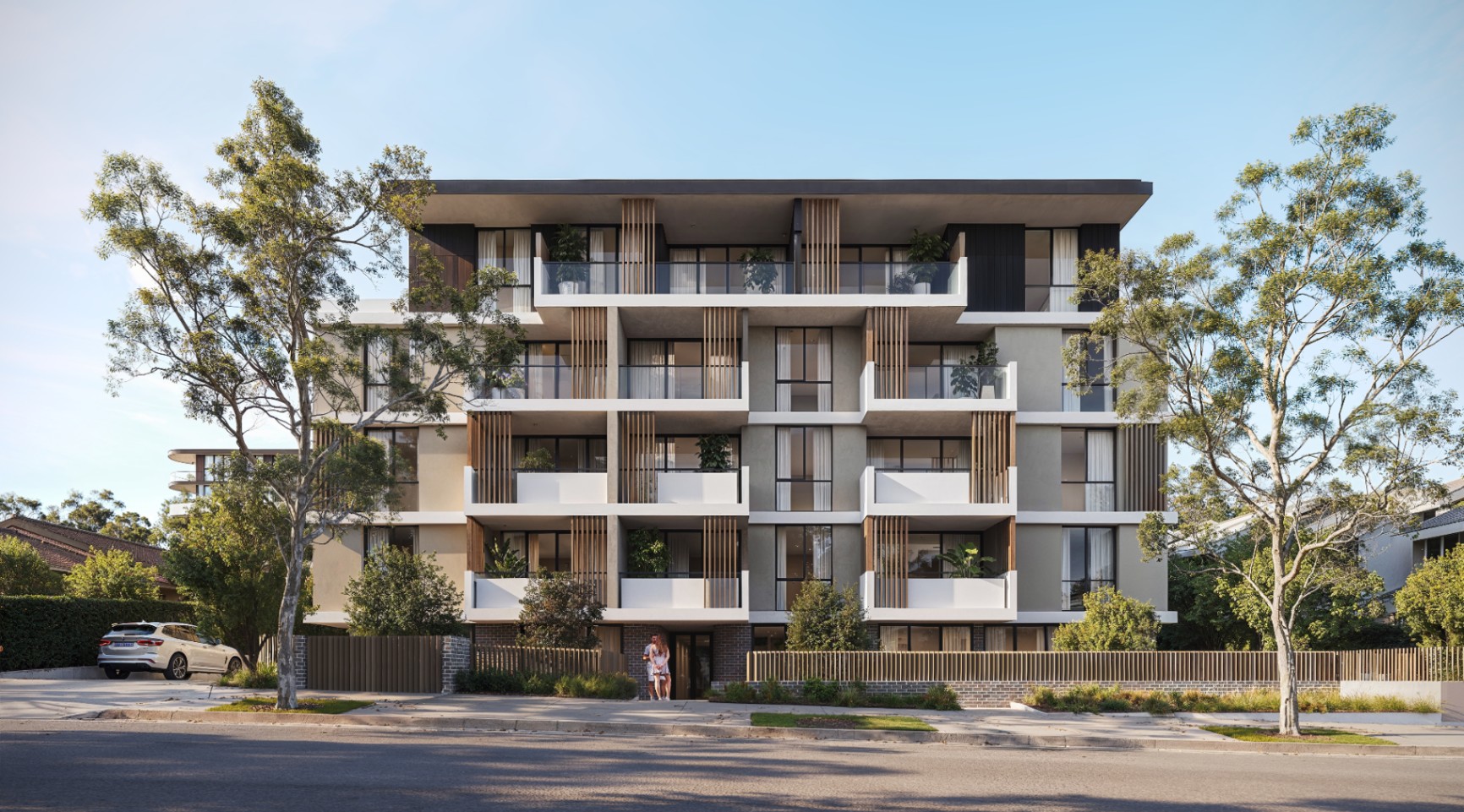 Coposit | Buy with $10K | Heathcote Real Estate Market | Buy Property in NSW
Strickland House | Heathcote NSW | $10K deposit | Secure with $10k and $254 x 140 weeks
Borrowing was only one way a fund could hold property. With new residential LRBAs no longer available, these are the main alternatives.
Outright cash purchase. If the fund has enough liquidity, it can buy residential or commercial property directly with no borrowing involved. This may mean building the fund balance over time through contributions, within contribution caps, before purchasing.
Pooling members' balances. Where a fund has multiple members, combining balances through rollovers or contributions may bring an outright residential purchase within reach.
LRBA for business real property. Borrowing remains available for eligible commercial and business real property, including premises used by a member's own business. Even an incidental residential component can put eligibility at risk, so this needs careful assessment.
Unlisted unit trusts. A correctly structured unit trust, such as a non-geared related unit trust that meets specific criteria or an unrelated unit trust, can give an SMSF indirect exposure to residential property. The structure must comply with superannuation rules before investing.
Listed and managed property investments. Listed property trusts (REITs), property-focused managed funds and ETFs offer property market exposure without the responsibilities of direct ownership.
Strata Industrial vs Residential Investment: What the Numbers Say is a useful comparison for investors weighing residential against commercial property.
The restrictions on SMSF property investment are equally important and are frequently underweighted by investors attracted to the tax advantages.
The sole purpose test requires that all SMSF investments are made for the purpose of providing retirement benefits to members. Property purchased through an SMSF cannot be used for any personal purpose by the members, their relatives, or related parties. An SMSF cannot purchase a property that any member or related party lives in, uses as a holiday home, or has any personal use of, regardless of whether market rent is paid.
The related party rules prohibit an SMSF from acquiring property from a related party, with the exception of business real property at market value. Residential property cannot be acquired from a fund member, their family, or any related party.
The in-house asset rules limit the SMSF's exposure to assets associated with related parties, including investments in related unit trusts. These rules need careful advice to navigate correctly.
Liquidity is a practical constraint rather than a legal one, and it matters even more now that new residential purchases must be made in cash. An SMSF that holds a substantial portion of its assets in a single illiquid property may have difficulty meeting member benefit payments, particularly if a member reaches preservation age or experiences a condition of release unexpectedly. Funds with large property holdings relative to total assets need to plan carefully for liquidity requirements.
The costs of SMSF property investment are also higher than personally held property. An SMSF requires annual auditing, tax return lodgement, and potentially ongoing financial and legal advice. Stamp duty, legal fees and other purchase costs must all be paid from the fund. What Costs Do You Need to Budget for Besides the Property Deposit covers the costs that apply to most property purchases.
 Coposit | Buy with $10K | Brisbane Real Estate Market | Buy Property in QLD
Laya Residences | Taigum QLD | $10K deposit | Secure with $10k and $4,543 x 33 weeks
Whether an SMSF property investment makes sense depends on factors specific to each investor's circumstances, and several of them are genuinely technical.
Can the fund cover the full purchase in cash? Without borrowing, the fund needs enough to pay the full purchase price plus stamp duty and other costs, while still keeping a cash buffer for ongoing expenses and member benefits. This makes the fund balance a much bigger question than it was before the ban. How Much Cash Do You Actually Need Before Signing a Property Contract is a helpful starting point.
Does the purchase meet the compliance rules? The sole purpose test, related party rules and in-house asset rules all apply. If the fund is considering business real property with an LRBA, the loan must also meet specific ATO requirements, including arm's length terms if the loan is from a related party. Getting this wrong can result in the fund breaching the SIS Act.
Does the investment suit the fund's overall strategy? An SMSF investment strategy must be documented and must reflect the fund's risk profile, liquidity needs, and the retirement objectives of the members. A single residential property that absorbs most of a fund's balance does not necessarily meet the diversification considerations the documented strategy should address.
Is the fund buying off the plan? An SMSF can buy off the plan, but the settlement amount must now come entirely from the fund's own money rather than a loan. Trustees should plan for the fund to hold the full balance by the expected completion date.
Engaging a licensed financial adviser with specific SMSF expertise, and a solicitor familiar with superannuation property rules, is not an optional step. The consequences of non-compliance range from administrative penalties to the fund losing its compliant status and facing significant tax consequences.
How Do You Research a Property Developer Before Buying covers the due diligence that applies to any property purchase, including one through an SMSF, where the choice of developer and the quality of the development are just as important as the tax structure.
For investors considering off-the-plan property, Coposit's platform provides access to quality developments with $10,000 upfront while the rest of the deposit builds through weekly instalments during construction. Browse current developments, get the Coposit app, or contact the team to explore what is available.
This article is general information only and does not constitute personal financial, taxation or legal advice. Speak with a licensed financial adviser before making any decision about your SMSF.
Share this article



Follow Coposit:


© 2025 Copyright Coposit.

