

The financial shift from renting to owning is one of the most significant changes in a person's financial life, and it is more complex than the simple comparison of a weekly rent payment to a monthly mortgage repayment. The full picture includes changes to cash flow, to the structure of outgoing costs, to financial risk and financial protection, and to how wealth is accumulated over time.
Understanding what actually changes financially when you move from renting to owning (not just the headline numbers but the structural differences) helps buyers make the transition with realistic expectations and without the financial stress that catches some first-time owners by surprise.
The most visible financial change happens before you move in. The upfront costs of property purchase are significant and are distinct from the ongoing costs of ownership.
Stamp duty, where applicable, represents the largest single upfront cost for most Australian buyers. First home buyer concessions in most states reduce or eliminate stamp duty on purchases below defined thresholds, but above those thresholds the cost can be tens of thousands of dollars. NSW charges stamp duty on first home purchases above $800,000; Victoria charges it on purchases above $600,000; Queensland has different thresholds again.
Legal and conveyancing fees, building and pest inspection costs where relevant for established properties, loan establishment fees, and lenders mortgage insurance for buyers borrowing more than 80% of the property's value all add to the upfront cost. The total can range from a few thousand dollars for a buyer benefiting from first home buyer schemes to well over $50,000 for a buyer purchasing above stamp duty thresholds in an expensive market.
What Costs Do You Need to Budget for Besides the Property Deposit covers each of these in detail for buyers preparing their full financial picture.
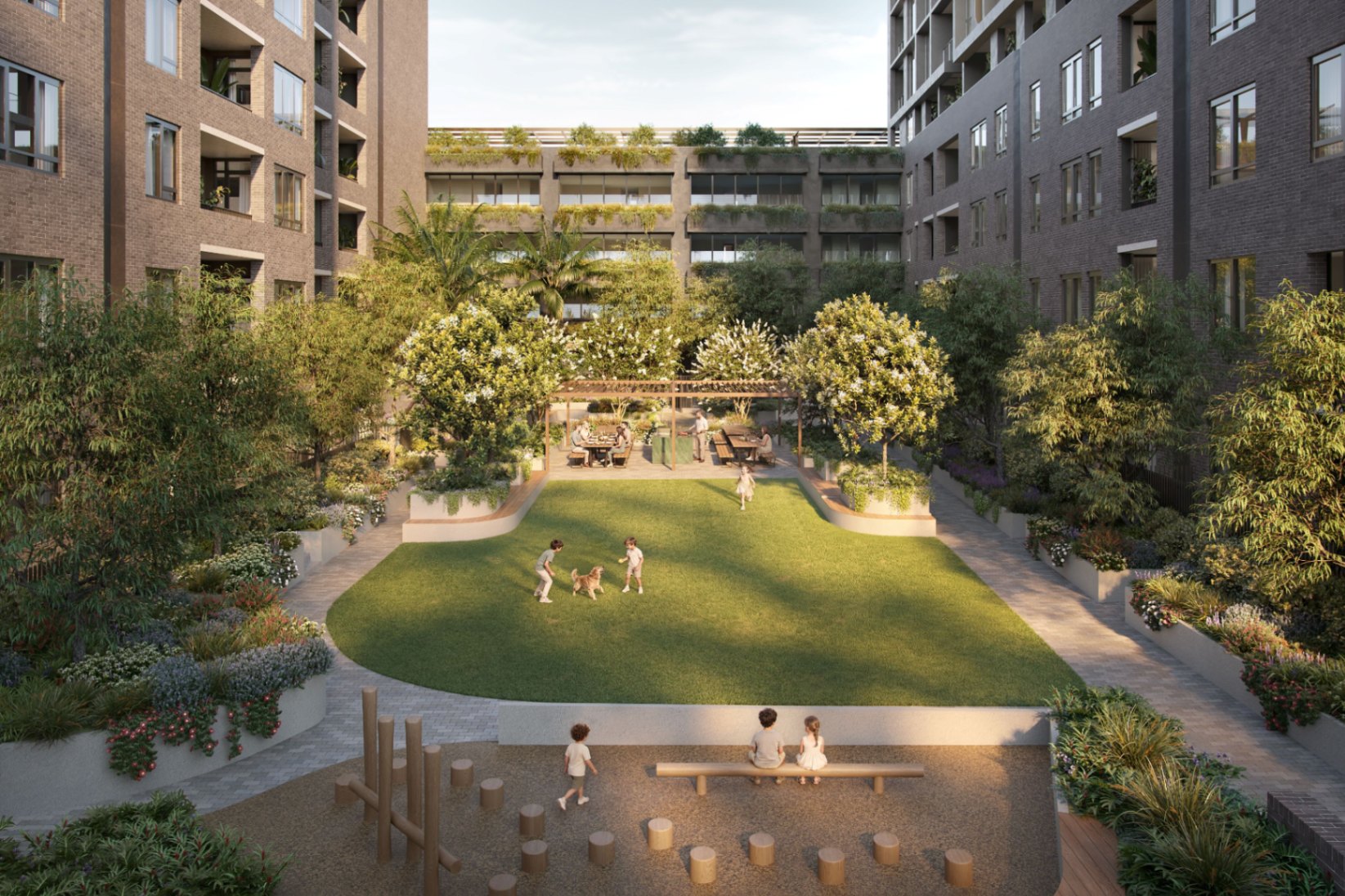 Coposit | Buy with $18K | Sydney Real Estate Market | Buy Property in NSW
Aeris | Melrose Park NSW | $18K deposit | Secure with $18k and $246 x 79 weeks
The most common comparison people make when evaluating the rent-to-own transition is between the rent they are currently paying and the mortgage repayment they would make. This comparison is useful but incomplete.
A mortgage repayment has a different character from rent. Part of each principal-and-interest repayment reduces the outstanding loan balance, building equity. This is savings happening through the loan structure rather than a pure cost. A rent payment in its entirety is an outgoing with no asset accumulation attached.
But ownership brings costs that renting does not. Council rates, water rates, strata levies for apartment owners, building insurance, and maintenance are costs the landlord bears in a rental arrangement that the owner bears entirely in an ownership arrangement. These vary by property type and location, but they typically add meaningfully to the monthly cost of ownership relative to the mortgage repayment alone.
For apartment owners, strata levies deserve particular attention. They cover the costs of managing and maintaining common property and can include both administrative fund levies and capital works fund levies. They can increase over time, and in older buildings with deferred maintenance, special levies for unexpected capital works can be significant. Brand new apartments typically have lower strata costs in the early years because the building has not accumulated the maintenance backlog of an older property.
How Much Financial Buffer Should You Keep After Buying a Home? covers the reserve needed to absorb the ongoing ownership costs that do not appear in the mortgage repayment figure.
 Coposit | Buy with $10K | Brisbane Real Estate Market | Buy Property in QLD
Laya Residences | Taigum QLD | $10K deposit | Secure with $10k and $4,543 x 33 weeks
As a renter, interest rate movements are relevant to your housing cost only insofar as they affect what landlords need to charge to cover their own costs. As a borrower on a variable rate mortgage, interest rate movements directly affect your repayment amount.
The transition from renting to owning means taking on the interest rate risk that your landlord was previously carrying. For a buyer on a variable rate loan, a 1% increase in interest rates on a $600,000 loan adds around $500 per month to the repayment. For buyers who have stretched to their maximum borrowing capacity with a minimal buffer, this exposure is a genuine risk that should be factored into how much is borrowed, not just whether the loan can be serviced at the current rate.
This is part of why Fixed vs Variable Home Loans: What Should Buyers Consider? is a meaningful decision rather than a cosmetic one. Fixing some or all of the mortgage rate removes this exposure for the fixed period, at the cost of flexibility.
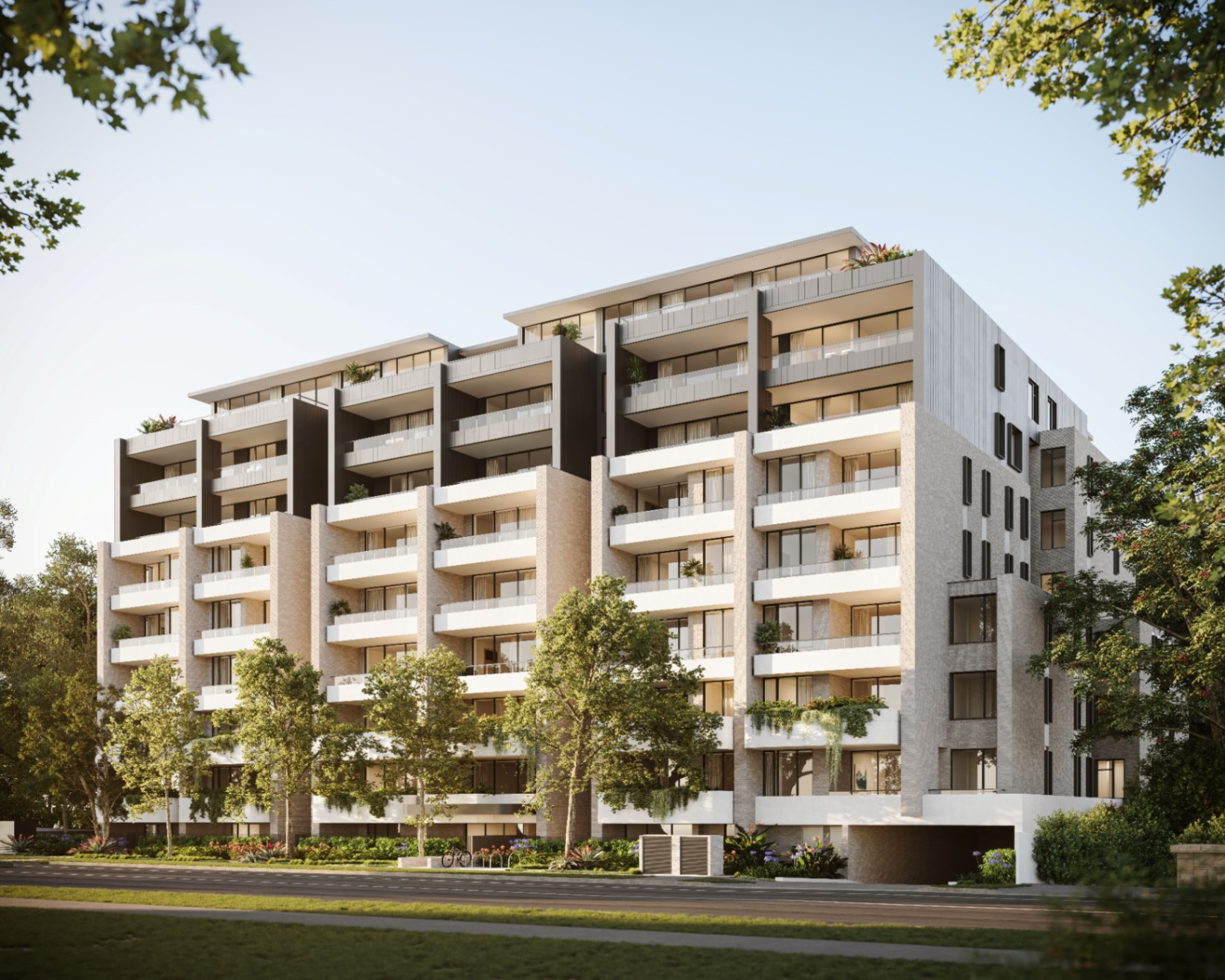 Coposit | Buy with $10K | St Ives Real Estate Market | Buy Property in NSW
The Cowan | St Ives NSW | $10K deposit | Secure with $10k and $1,750 x 100 weeks
The financial difference that matters most over the long run is the change in how wealth accumulates.
A renter who pays rent for decades has housing costs that do not build an asset. The exception is a renter who takes the difference between their rental cost and what a mortgage would cost and invests it elsewhere, known as the rentvesting strategy. In practice, the mortgage repayment enforces a savings discipline that voluntary investment often does not replicate.
An owner-occupier who makes principal-and-interest mortgage repayments builds equity with every payment, while also benefiting from any capital growth in the property's value. The combination of forced saving through loan repayment and capital growth has historically produced significant wealth outcomes for Australian homeowners over multi-decade holding periods.
The specific numbers depend on the property, the market, the loan structure, and the holding period. The structural point is that the transition from renting to owning changes the financial character of housing expenditure from a pure cost to a cost that partially builds an asset.
The Changing Meaning of Homeownership for Young Australians covers how this wealth accumulation dynamic has shaped Australian attitudes to property and what it means for a generation facing higher entry costs than their parents.
Coposit's model lets eligible buyers secure a brand new off-the-plan property with $10,000 upfront while building the deposit through weekly instalments during construction. For buyers still renting while they save, it is a structure that lets both happen at once. Browse current developments, get the Coposit app, or contact the Coposit team to find out more.
Share this article



Follow Coposit:


© 2025 Copyright Coposit.

