

For much of Australian financial planning history, homeownership by retirement has been treated as a near-universal assumption. The retirement income system, the aged pension, superannuation policy, and housing assistance programs have all been designed around a model where the typical retiree owns their home outright and therefore has dramatically lower housing costs than a renter of equivalent circumstances.
That assumption is becoming less reliable. A growing proportion of Australians are reaching retirement age still renting, either because they were unable to purchase during their working life or because they chose to rent and invest elsewhere. The financial consequences of retiring as a renter versus an outright homeowner are substantial enough that anyone who expects to rent long-term should understand them clearly, well before retirement rather than after.
The Australian aged pension is means-tested, and the principal place of residence is excluded from the assets test. This is a significant structural benefit for homeowners. A retiree who owns a home worth $1.5 million outright has that asset fully excluded from the assets test and receives the full pension entitlement if their other assets are within the threshold. A renter with equivalent total assets, some proportion of which must be held as liquid savings to fund future rental payments, faces a different calculation.
Superannuation replacement rates, the proportion of pre-retirement income that superannuation is designed to provide, are modelled on the assumption that housing costs in retirement are low because the mortgage is paid off. The Association of Superannuation Funds of Australia comfortable retirement benchmarks, which many Australians use as a savings target, are based on homeownership. A renter targeting the same standard of living in retirement needs meaningfully more in superannuation to fund ongoing rental costs that an owner-occupier does not face.
Commonwealth Rent Assistance, the supplement available to eligible renters receiving government payments, is currently capped at a level that falls well short of market rents in most Australian capital cities. Renters relying on this supplement to manage housing costs in retirement are likely to find it covers a fraction of their actual rent.
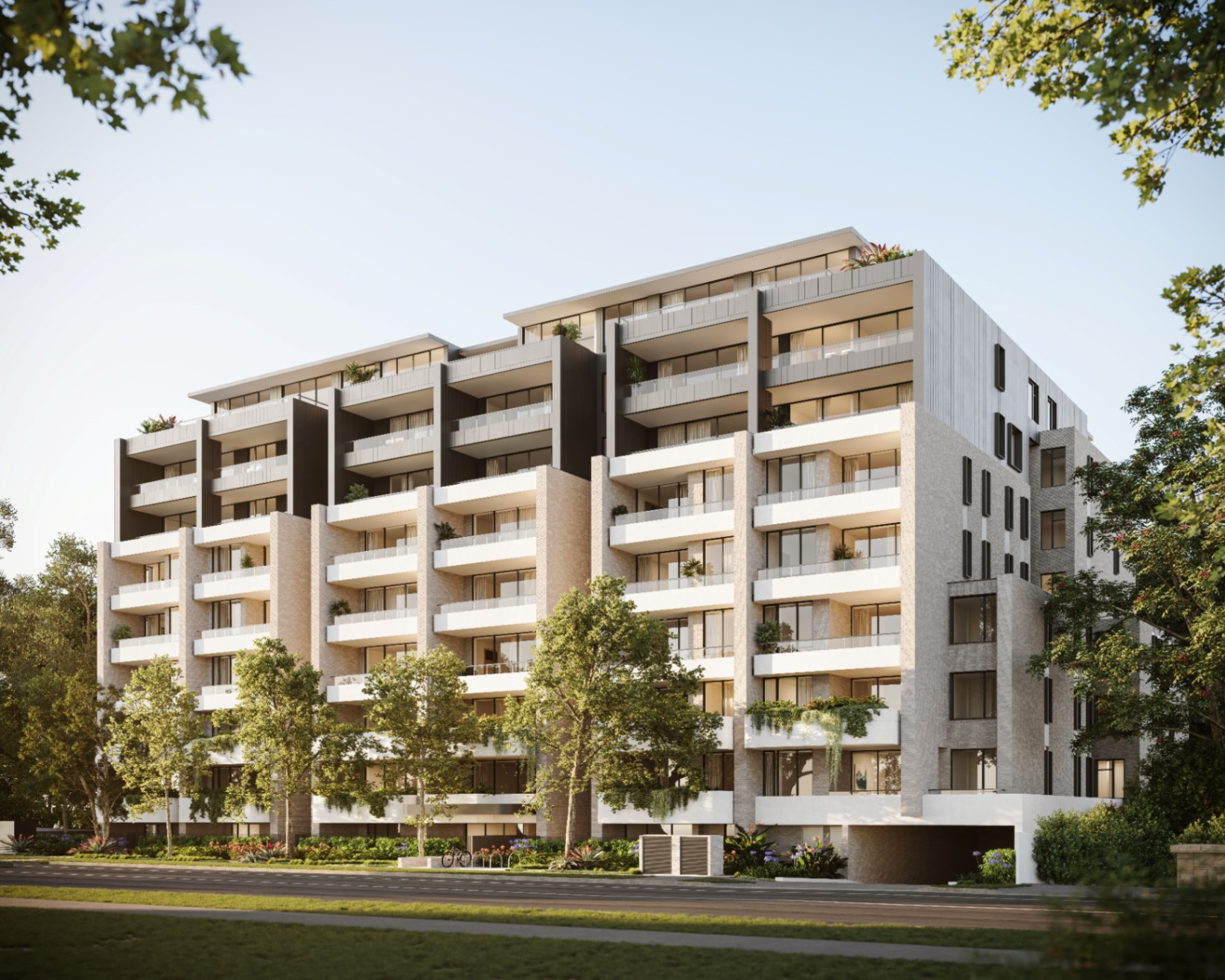 Coposit | Buy with $10K | St Ives Real Estate Market | Buy Property in NSW
The Cowan | St Ives NSW | $10K deposit | Secure with $10k and $1,750 x 100 weeks
The financial difference between a lifetime renter and a lifetime owner-occupier at retirement is not simply the absence of a property asset. It reflects decades of compounding effects.
An owner-occupier who purchased in their thirties and paid off a mortgage over thirty years experienced rent inflation on a fixed asset. Their housing cost was essentially locked in at the purchase price, with only rates, insurance, and maintenance varying above that. A renter over the same period experienced housing costs that grew with the market, consuming an increasing share of income over time.
The difference in total lifetime housing expenditure between these two scenarios, in a market like Sydney or Melbourne, is very large. The renter who might have invested the difference between rental costs and mortgage costs in other assets has a theoretical investment offset, but in practice the discipline of mortgage repayment enforces savings that many renters do not replicate through voluntary investment.
How Financial Habits Change After Buying Your First Home covers how the structural discipline of homeownership affects financial behaviour in ways that renting typically does not replicate.
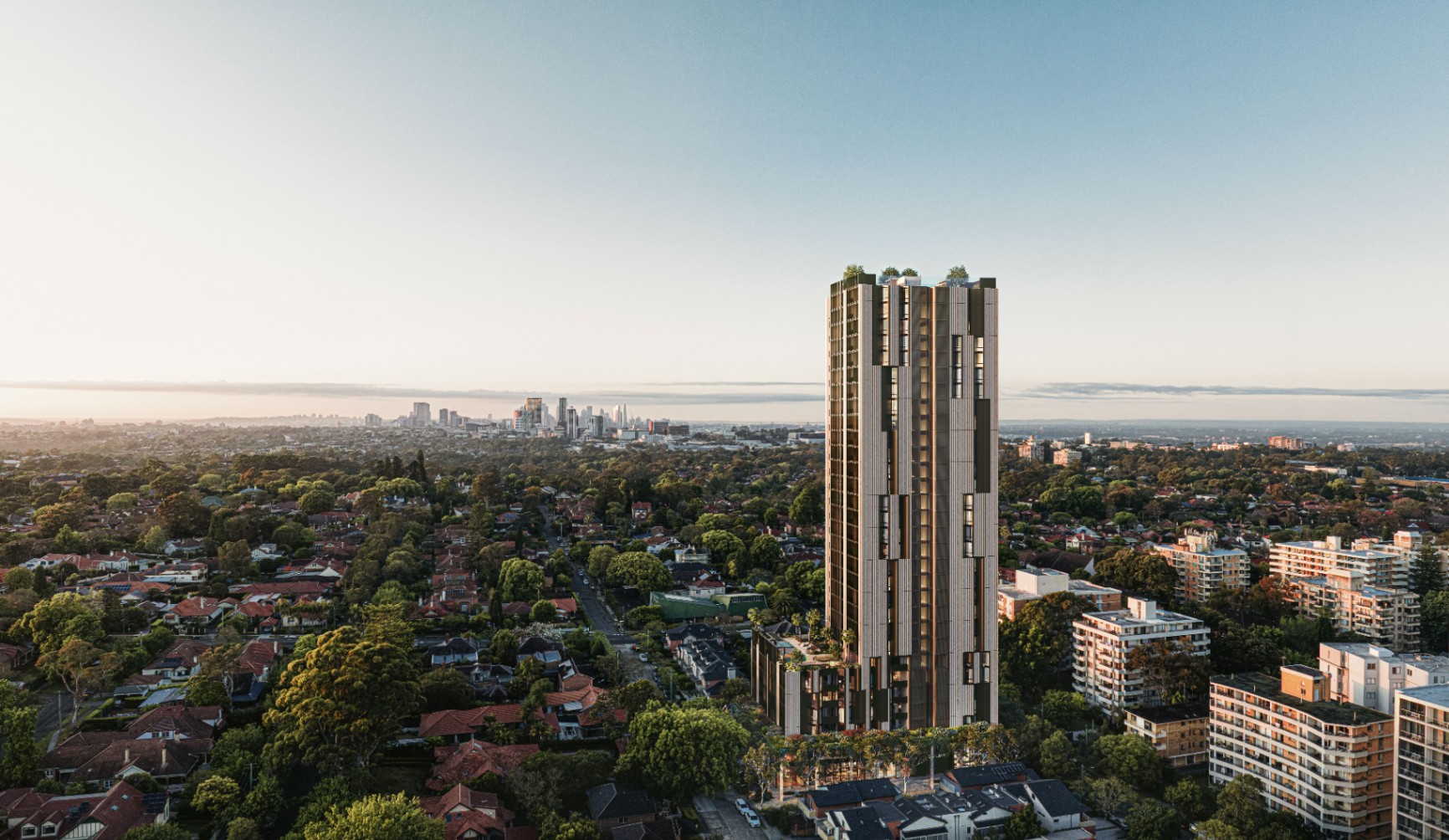 Coposit | Buy with $10K | Chatswood Real Estate Market | Buy Property in NSW
Celine | Chatswood NSW | $10K deposit | Secure with $10k and $658 x 152 weeks
A renter who expects to be renting in retirement needs to plan for several specific financial realities that an owner-occupier does not face.
Higher superannuation targets are necessary to fund ongoing rental costs that do not reduce over time. The specific amount depends on expected retirement age, life expectancy, and the rental market at retirement, but the difference is significant. Financial planners working with clients who expect to rent in retirement typically use materially higher savings targets.
Portfolio liquidity matters more for a retiree renter than for a retiree owner. An owner can draw down superannuation and other assets knowing that housing costs are limited to rates, insurance, and maintenance. A renter needs to maintain assets that generate enough income or can be drawn down over enough years to fund rental costs alongside all other living expenses. Running out of financial assets while still renting is a serious risk that is structurally absent for outright homeowners.
Rental market volatility is a risk that continues into retirement. An owner-occupier's housing cost is essentially fixed at a point in time and then paid off. A renter's housing cost can increase at any lease renewal, subject to whatever legislative protections exist in their state at the time. The risk of a significant rent increase at age seventy-five, when income is fixed and housing options are limited, is not abstract.
Rent Increases, Moving Costs and the Challenge of Financial Stability Make It Hard to Save covers how these patterns manifest during working life, with retirement representing their most concentrated form.
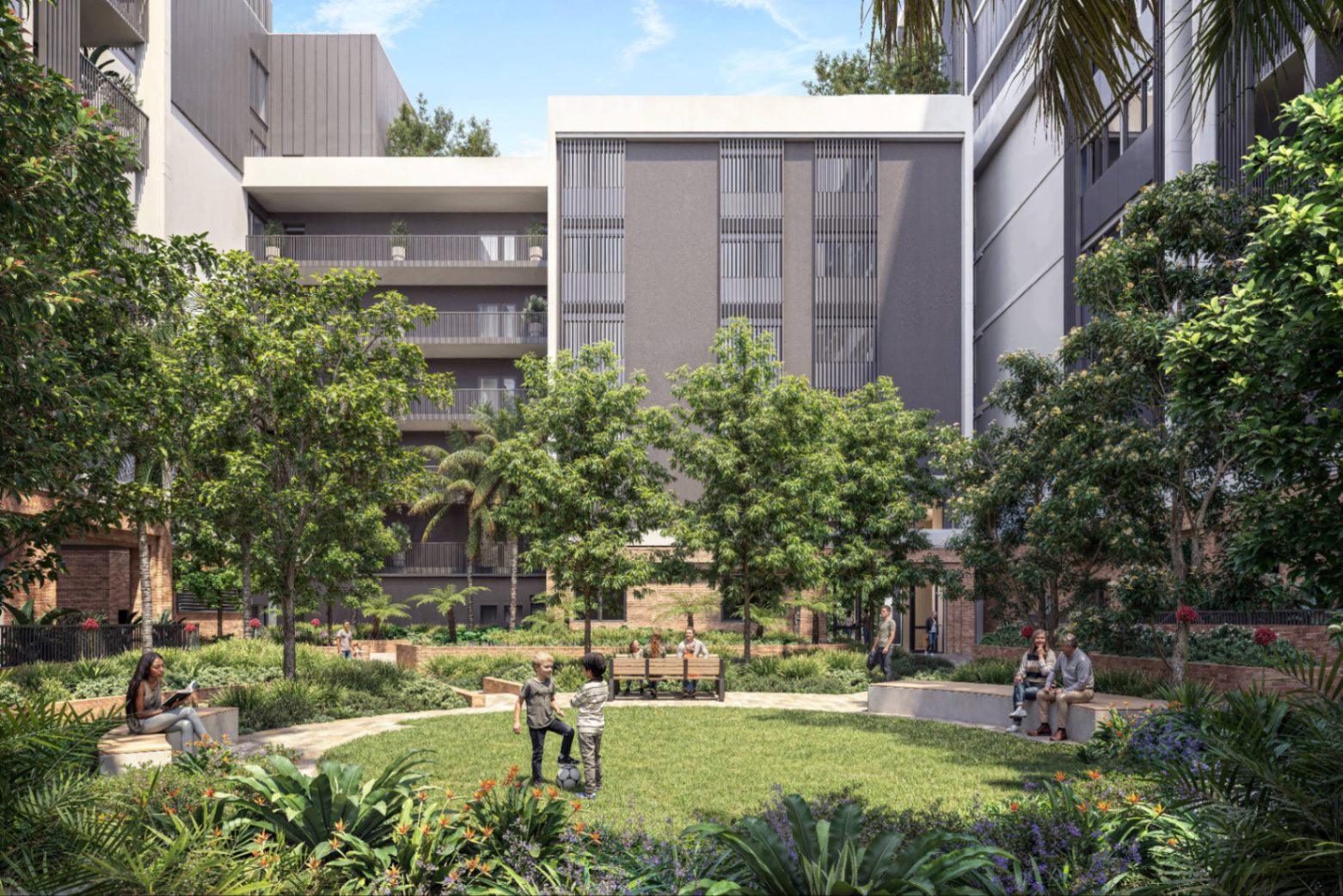 Coposit | Buy with $17K | Sydney Real Estate Market | Buy Property in NSW
Dawn | Melrose Park NSW | $17K deposit | Secure with $17k and $236 x 78 weeks
The growing number of Australians approaching retirement as renters is beginning to register in policy discussions. Proposals to include the principal place of residence in the aged pension assets test, reform Commonwealth Rent Assistance to better reflect market rents, and develop build-to-rent supply that provides appropriate housing for older renters have all entered the policy conversation in recent years.
These debates are genuinely contested and unresolved. What they signal is that the retirement income system is likely to face pressure to adapt to a housing reality that differs significantly from the one it was designed around. For individuals making financial decisions now, waiting for policy to solve the problem is not a plan.
The Changing Meaning of Homeownership for Young Australians covers the broader shift in how Australians think about owning property, including the financial security dimension that becomes most visible at retirement.
For renters who want to move toward ownership, Coposit's model lets eligible buyers secure a brand new property with $10,000 upfront while building the deposit through weekly instalments during construction. It is a pathway to ownership that changes the long-term financial picture in ways that extend well beyond the purchase itself. Explore available projects, download the Coposit app, or speak with the team to find out more.
Share this article



Follow Coposit:


© 2025 Copyright Coposit.

