

Australia's population is getting older. The proportion of Australians aged 65 and over has been growing for decades and will continue growing as the large baby boomer cohort moves further into retirement age. By 2050, projections suggest roughly one in four Australians will be over 65. That is a structural demographic shift with direct and significant implications for the housing market, and it is already beginning to show up in buyer behaviour, development trends, and property supply dynamics.
Understanding how the ageing of Australia's population intersects with the housing market is useful context for any buyer thinking beyond the immediate transaction to the longer-term environment their property will sit in.
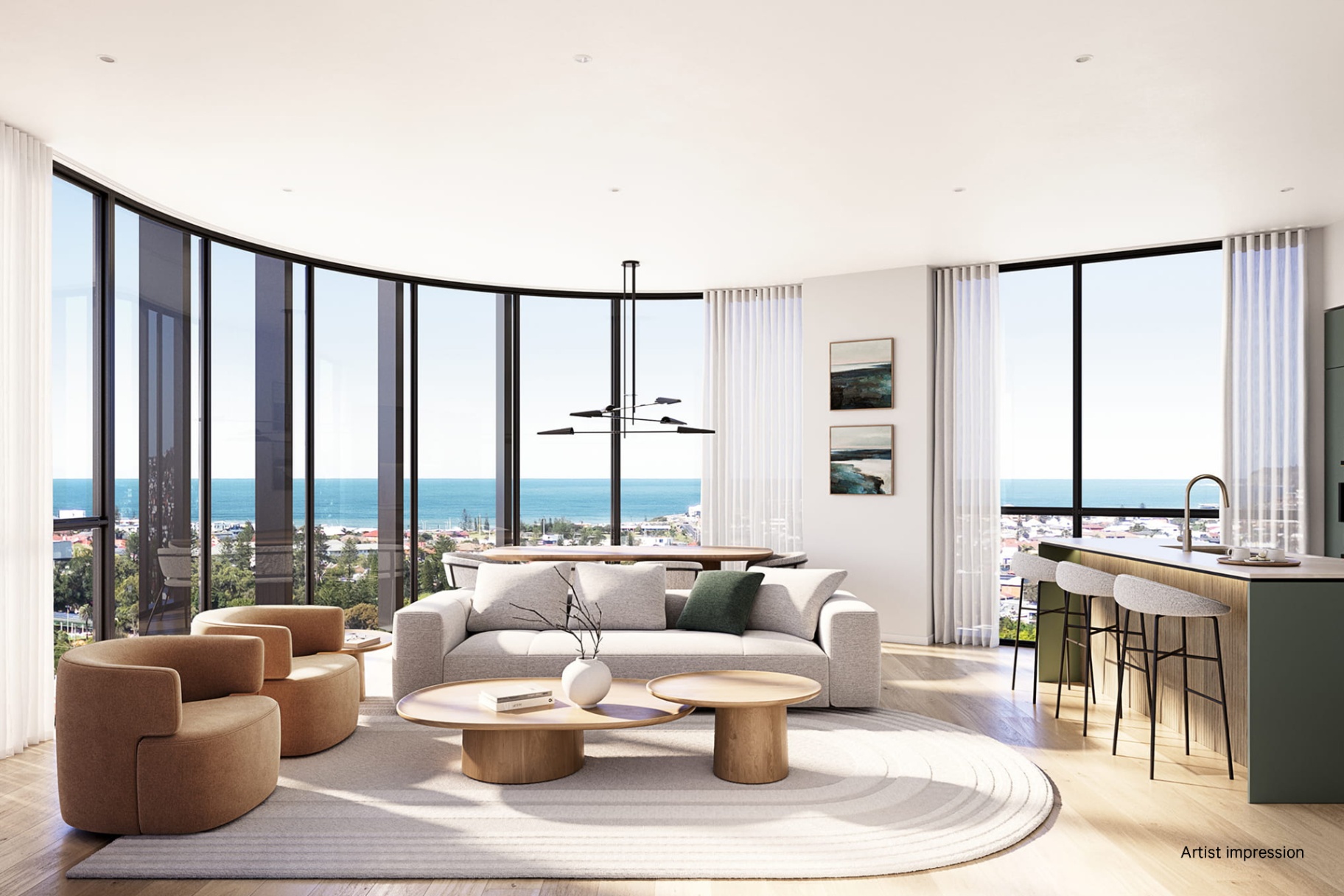 Coposit | Buy with $10K | Newcastle Real Estate Market | Buy Property in NSW
Era | New Castle NSW | $10K deposit | Secure with $10k and $1,363 x 58 weeks
The majority of older Australians are homeowners. The homeownership rate among those aged 65 and over sits around 80%, reflecting decades of ownership built during periods of strong property price growth. For many retirees, the family home is their single largest asset, in many cases worth more than the accumulated superannuation balance that is supposed to fund their retirement.
Most older Australians also live in larger homes than their current household size requires. A couple in their late 60s or early 70s continuing to occupy the four-bedroom house they raised their family in is the most common living arrangement in this cohort. When one partner dies, the surviving spouse frequently remains in the same home for many additional years. The result is a substantial volume of large family-appropriate homes occupied by one or two people, while families with children compete for the same stock in the same suburbs.
This pattern means that a significant portion of the family housing stock in Australia's established suburbs is not turning over at the rate that demographic demand would suggest it should. The homes are there. They are simply not available.
Downsizing by older homeowners has been a recurring theme in Australian housing policy for over a decade. The logic is appealing in its simplicity: retirees free up large family homes for the next generation, move into smaller and more manageable accommodation, release equity that supplements their retirement income, and reduce their day-to-day maintenance burden. Everyone benefits.
In practice, downsizing is complicated by several factors that policy has not fully resolved.
Transaction costs deter many potential downsizers. Selling a home involves agent fees of 1.5 to 3% of the sale price plus marketing costs. Buying a new, smaller property involves stamp duty in most states, legal costs, and moving costs. The round-trip cost of downsizing can easily reach $50,000 to $100,000 depending on the values involved. For a retiree on a fixed income, that is a significant disincentive. The hidden costs of moving house in Australia covers the full transaction cost picture in more detail.
Suitable smaller homes in preferred locations are also constrained. Many retirees want to remain close to their existing social networks, familiar amenities, and the suburb they have lived in for decades. If that suburb lacks quality apartments or townhouses that meet their expectations for space and standard, the move does not happen. Why medium-density housing matters for Australia's growing cities is directly relevant here. The housing type that would most suit downsizers in established suburbs, low-rise apartments and townhouses close to existing infrastructure, is also the housing type that faces the most resistance in the planning system.
The federal government's superannuation contribution incentive for downsizers allows people over 55 to contribute up to $300,000 from a home sale into superannuation. This has encouraged some movement at the margins but has not transformed the overall rate of downsizing.
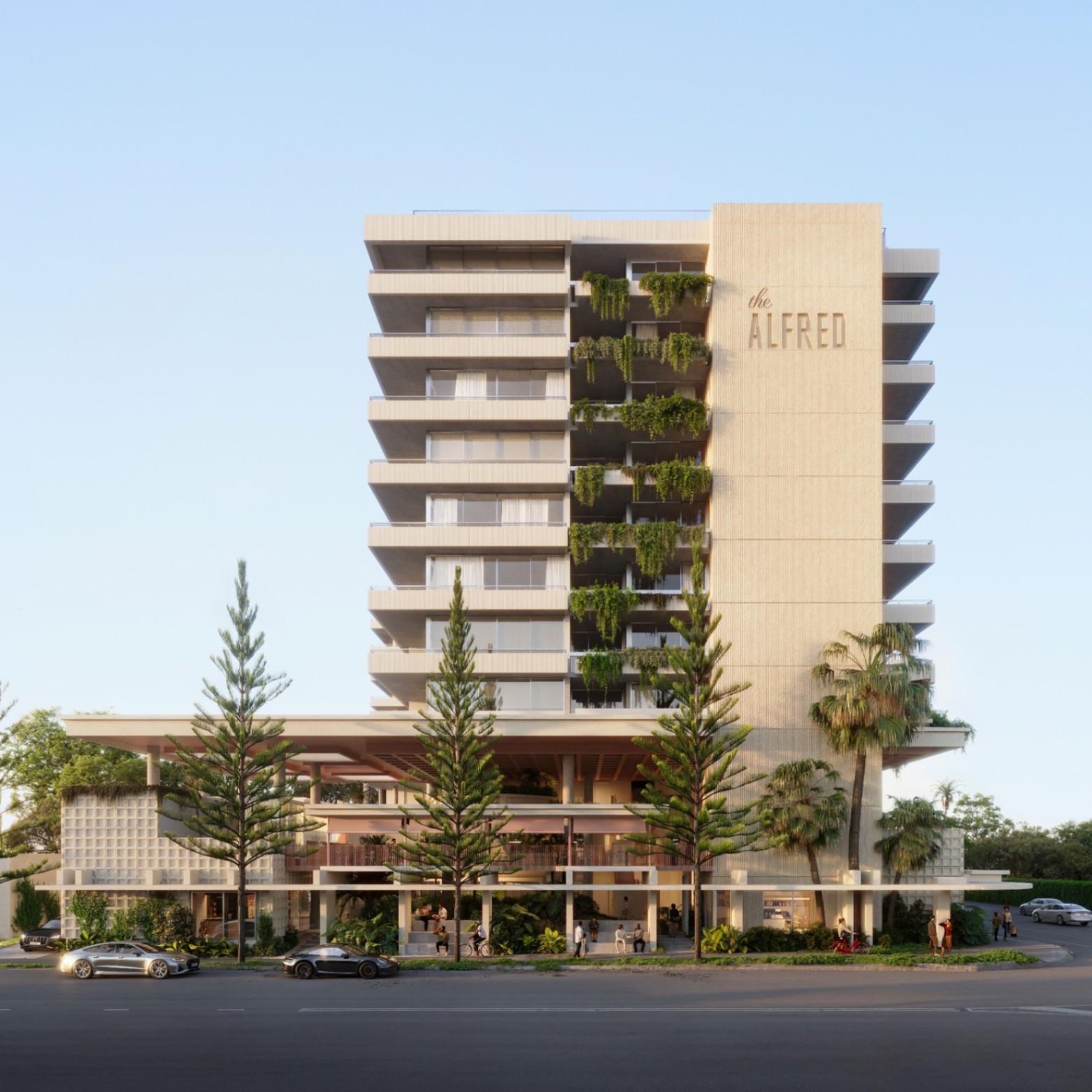 Coposit | Buy with $10K | Gold Coast Real Estate Market | Buy Property in QLD
The Alfred Residences | Mermaid Beach QLD | $10K deposit | Secure with $10k and $2,451 x 51 weeks
If older homeowners stay in large homes for longer than previous generations did, the flow of large family homes onto the market slows. Families competing for that stock face less supply and more sustained price pressure in the suburbs where it is located.
The counterpoint is the eventual transfer of boomer housing wealth, through downsizing, the transition to aged care, and estate sales, which some analysts have projected will add meaningful supply to certain suburb and price segments over the 2030s. The timing and distribution of that transfer is genuinely uncertain, but it is a structural supply factor for buyers with long investment horizons to be aware of.
The ageing of the population does not just affect supply. It shifts demand toward different types of housing and different property characteristics.
Purpose-built retirement living and assisted care has grown substantially over the past decade and will continue growing. Single-storey homes, properties with lift access, designs with wider doorways and step-free entries, proximity to public transport, and walkable access to medical and retail services all become more important to an ageing buyer and renter cohort.
Why walkability should be a top priority covers the location characteristics that matter to this demographic and that also tend to underpin long-term property value. New apartment developments in walkable, well-serviced locations are better positioned for an ageing buyer cohort than car-dependent suburban product.
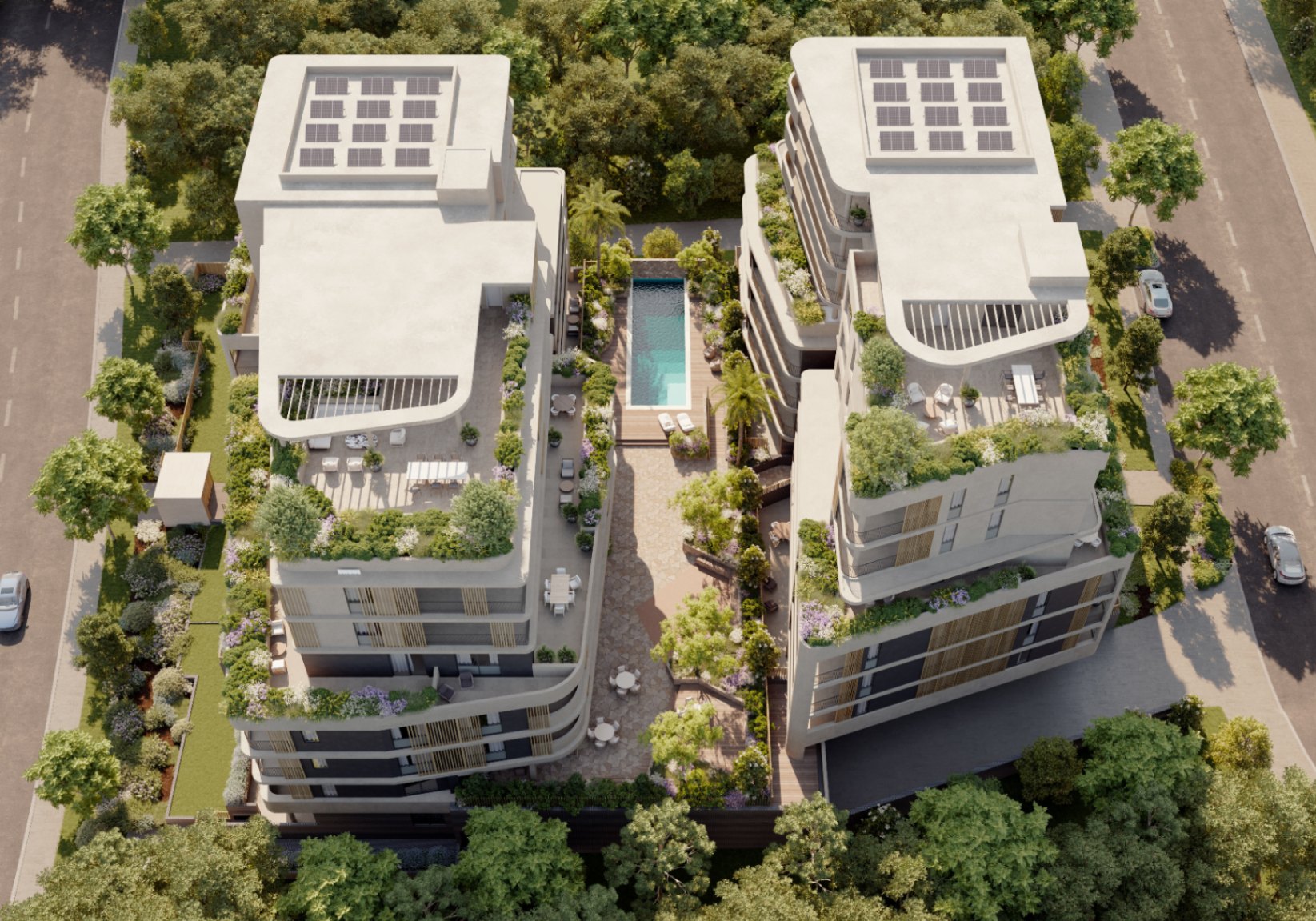 Coposit | Buy with $10K | Sydney Real Estate Market | Buy Property in Castle Hill NSW
Elora | Castle Hill NSW | $10K deposit | Secure with $10k and $1,537 x 97 weeks
For buyers purchasing new property now, demographic trends support the long-term demand case for well-located smaller dwellings in established suburbs. Properties that work for people at multiple life stages, because of their location, accessibility, and design quality, are structurally better positioned as the population ages than large, car-dependent homes in areas where daily life depends on driving.
Coposit allows eligible buyers to secure new off-the-plan apartments with $10,000 upfront and weekly deposit instalments during construction, providing access to new supply in well-located markets shaped by these long-term demographic shifts.
Browse current eligible developments on the Coposit projects page, download the Coposit app, or contact the Coposit team to explore what is currently available.
Share this article



Follow Coposit:


© 2025 Copyright Coposit.

