

Public transport infrastructure shapes property markets in ways that are well documented in the research and increasingly visible in the price data. Proximity to a train station, a tram line, or a high-frequency bus corridor consistently commands a price premium in Australian cities, and that premium has grown as fuel costs, congestion, and environmental considerations have made car-dependent living less attractive to a wider range of buyers.
Understanding how transport infrastructure affects property values, and how new infrastructure investments create opportunities, is useful context for any buyer or investor making decisions about where to buy.
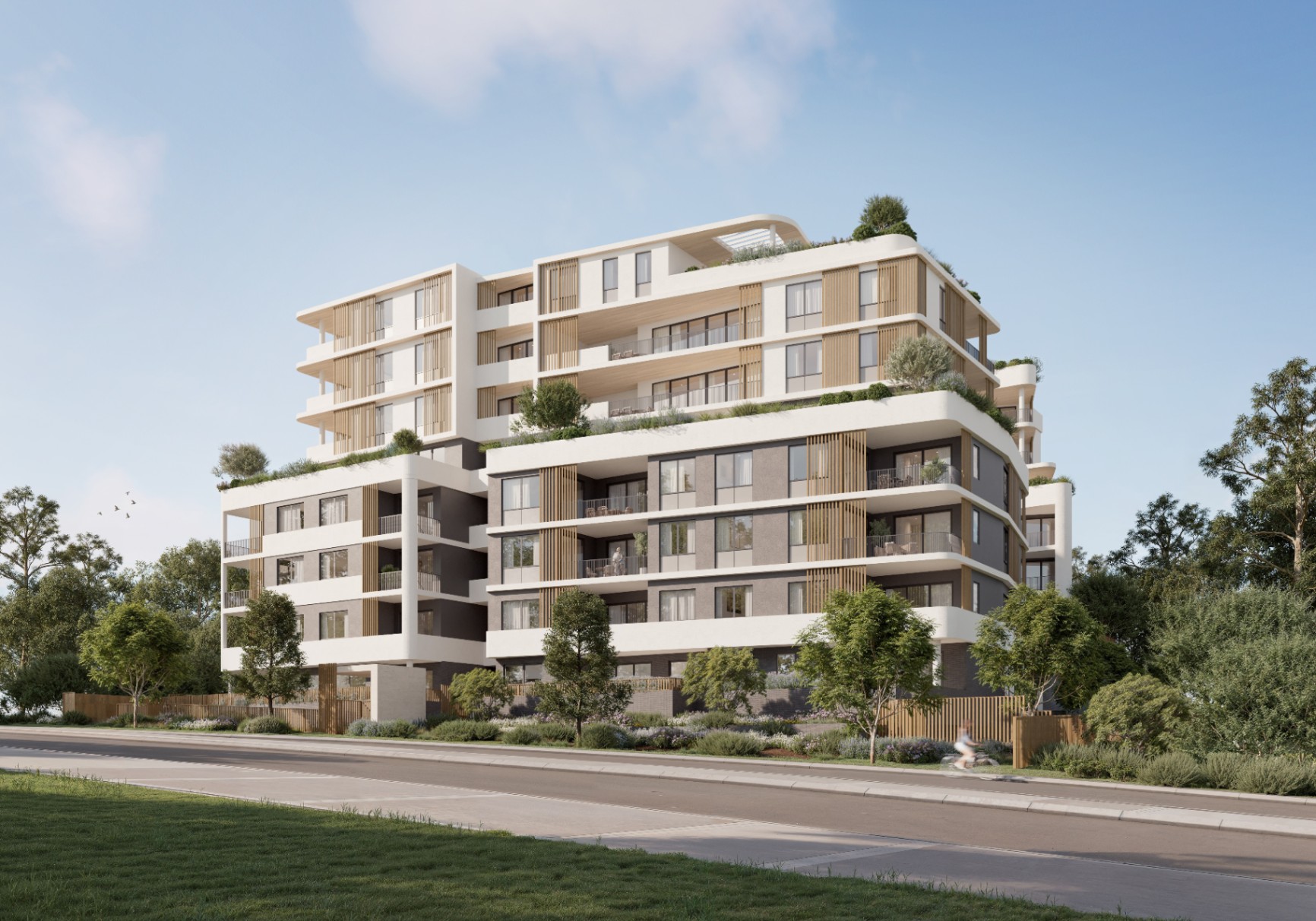 Coposit | Buy with $10K | Sydney Real Estate Market | Buy Property in NSW
Elora | Castle Hill NSW | $10K deposit | Secure with $10k and $1,537 x 97 weeks
The fundamental reason transport proximity is valued in property is time. A commuter who lives a ten-minute walk from a train station that delivers them to a CBD in twenty minutes has a meaningfully different daily experience from one who drives forty-five minutes each way. That difference in daily time cost, multiplied across working days over years, is real and significant.
As Australian cities have grown and traffic congestion has worsened, the time premium attached to walkable train station access has increased. In Sydney, suburbs within 800 metres of a train station consistently sell at a premium to comparable suburbs without that access, and the premium has widened over the past decade as CBD-bound commute times by car have extended.
Why walkability should be a top priority covers the broader case for location characteristics that include but extend beyond transport access. The walkability premium and the transport premium are related and reinforcing: suburbs that are walkable tend to also be well-served by public transport, and the combination produces location desirability that sustains property values over time.
New public transport infrastructure creates property value uplift in the suburbs it serves, and that uplift often begins well before the infrastructure opens. The announcement of a new train line or station upgrade, once credible and funded, begins to shift buyer and investor interest toward the affected areas. By the time the infrastructure opens, much of the value appreciation has already occurred.
How infrastructure projects can shape the future of a suburb covers this dynamic in detail. The Sydney Metro expansion, the Cross River Rail project in Brisbane, and the Metronet program in Perth have all created corridors where property demand has shifted meaningfully ahead of, and then following, the infrastructure delivery.
For buyers with a medium-term horizon, identifying suburbs along committed infrastructure corridors that have not yet fully priced in the uplift has historically been a productive strategy. The risk is that infrastructure timelines extend, which is common in major Australian public transport projects, and the value uplift takes longer than expected to materialise.
 Coposit | Buy with $10K | Sydney Real Estate Market | Buy Property in NSW
Concord Central | Concord West | $10K deposit | Secure with $10k and $418 x 151 weeks
The inverse of transport premium is car dependency cost. Suburbs that require a car for all daily errands, school runs, and commuting impose a significant ongoing financial burden that does not appear in the purchase price but accumulates over the ownership period.
Why more Australians are reconsidering the cost of car ownership addresses this calculation directly. The total annual cost of running a car in Australia, including registration, insurance, fuel, servicing, and depreciation, typically runs $8,000 to $15,000 per vehicle. A household with two cars in a car-dependent suburb is spending $16,000 to $30,000 per year on vehicle costs that a household in a well-connected suburb may largely avoid.
When that difference is capitalised over a ten-year ownership period, the apparently cheaper house in the outer suburbs can cost more in total than the apparently expensive apartment near a train station.
New apartment developments in well-connected locations are increasingly designed around transport access, with developers and their marketing explicitly leading with proximity to train stations, light rail stops, or high-frequency bus corridors.
Should you prioritise location or apartment size when buying captures the trade-off that transport access often represents. A smaller apartment near a station in an established suburb typically outperforms a larger apartment in a car-dependent location on both daily liveability and long-term capital performance. The buyer who understands that the transport connection is part of what they are buying makes a more informed decision than one who focuses exclusively on internal square metreage.
Why more Australians are looking beyond traditional suburbs is also relevant here. As transport networks extend, the geography of what counts as a connected and desirable location expands, and buyers who move into those expanding corridors ahead of the wider market can benefit from the resulting demand growth.
For buyers targeting transport-connected locations, Coposit allows eligible off-the-plan properties to be secured with $10,000 upfront and weekly deposit instalments during construction. New developments in well-served transport corridors often sell early, and the Coposit structure makes it possible to commit to the right location without requiring a large lump-sum deposit at contract.
Browse current eligible developments on the Coposit projects page, download the Coposit app, or contact the Coposit team to explore what is available.
Share this article



Follow Coposit:


© 2025 Copyright Coposit.

