

The first five years of holding an investment property are typically the most cost-intensive period of ownership. This is when investors encounter the full range of holding costs for the first time, discover the costs that were not fully visible during the purchase decision, and experience the management realities of being a landlord. Understanding what to expect across this period helps investors plan properly, avoid cash flow shocks, and make better decisions about how to structure the investment from the start.
The costs of acquisition are well understood in principle but frequently underestimated in total. Stamp duty, where applicable, represents the largest single entry cost for most investors. For first home buyers using the property as an investment immediately, the first home buyer stamp duty concessions that apply to owner-occupiers do not apply, and the full investor stamp duty rate is payable.
Conveyancing and legal fees, loan establishment fees, lenders mortgage insurance if the LVR exceeds 80%, building and pest inspection for established properties, and the quantity surveyor's depreciation schedule are all entry costs that arrive in the first year. For an off-the-plan purchase, settlement costs arrive at construction completion rather than immediately at contract, giving buyers time to prepare.
The first rental period brings its own costs. Property management setup fees, the first letting fee (typically one to two weeks rent), and potentially an advertising fee for finding the initial tenant all arrive at the start of the management relationship. Some investors manage their property privately, particularly if it is local, but most find that the time and expertise cost of self-management outweighs the saving on management fees for a single property.
If the property requires any work between settlement and tenanting, such as cleaning, minor repairs, pest treatment, or the addition of appliances the previous owner took, these costs arrive before any rental income. For brand new properties these costs are typically absent, as the property is delivered in lettable condition.
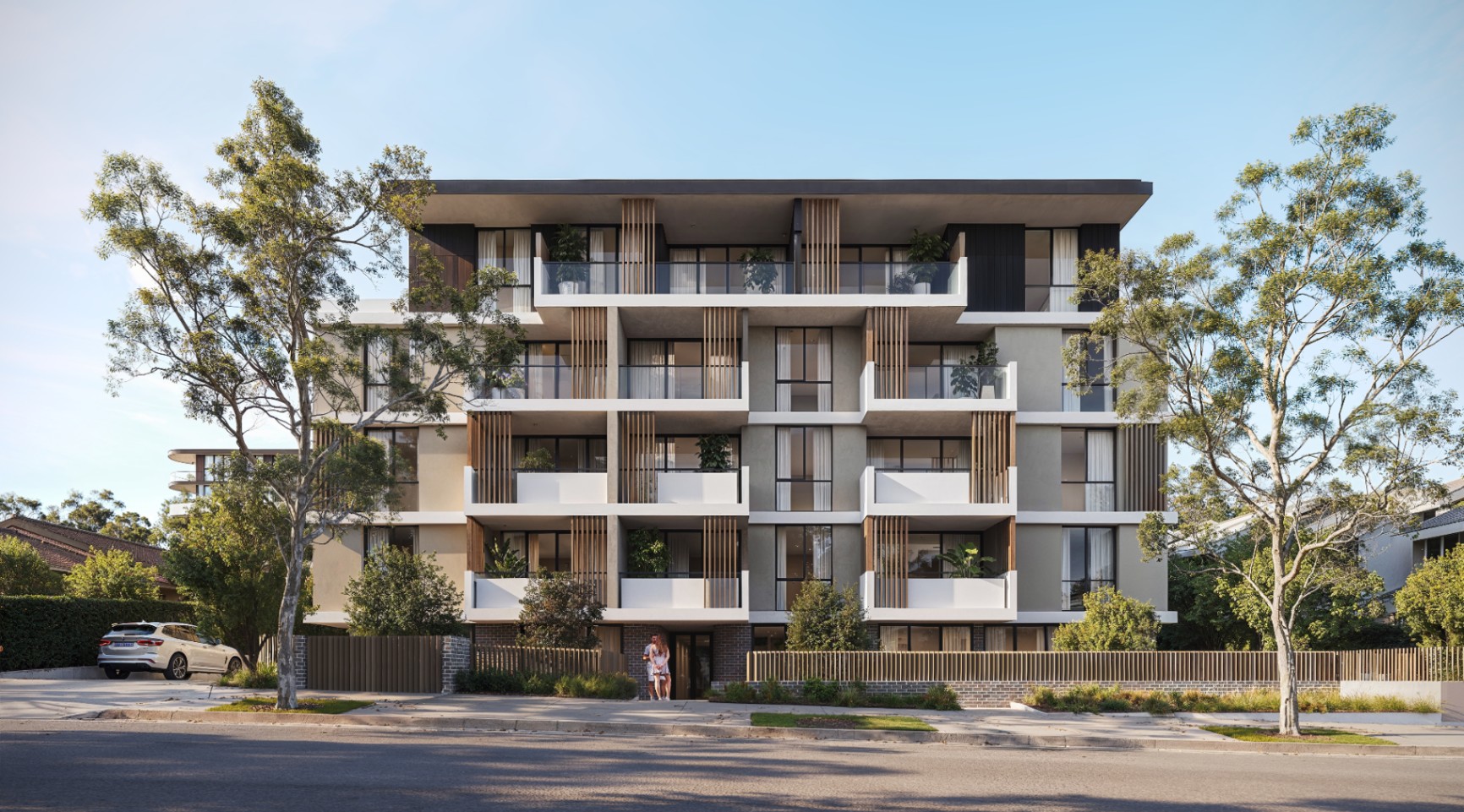 Coposit | Buy with $10K | Heathcote Real Estate Market | Buy Property in NSW
Strickland House | Heathcote NSW | $10K deposit | Secure with $10k and $254 x 140 weeks
Each year of ownership carries a set of costs that the investor must fund from rental income, ideally with the tax offsets discussed in What Property Investors Should Know About Negative Gearing reducing the net cash cost.
Property management fees in Australia typically run at 7% to 12% of gross rental income, depending on the state and the specific agency. This is the most consistent ongoing cost of investment property and should be budgeted as a fixed percentage of expected rent rather than as a secondary consideration.
Council rates and water rates are fixed costs that the investor pays regardless of whether the property is tenanted. For houses, the investor is typically responsible for all council rates and water service charges, with tenants paying for water usage above a fixed allowance. For apartments, water usage is often included in strata levies.
Body corporate fees for apartment investors cover common property maintenance, building insurance, and the capital works fund. In new buildings these are initially set based on the developer's estimates and may change at the first annual general meeting once the owners corporation is managing the building directly. Investors should read the initial budget carefully and understand that levies can be revised.
Building insurance is included in strata levies for apartments. For house investors, building insurance is a separate annual cost that covers the structure against damage. Contents insurance for a rental property is the tenant's responsibility; some investors also hold landlord's insurance, which covers loss of rent, tenant damage above the bond, and legal liability.
Landlord's insurance is often overlooked by first-time investors and becomes very relevant when it is needed. Policies typically cover loss of rent for a defined period if the property is uninhabitable following an insured event, tenant damage above the bond, and in some policies deliberate damage by tenants. The annual premium is a deductible expense.
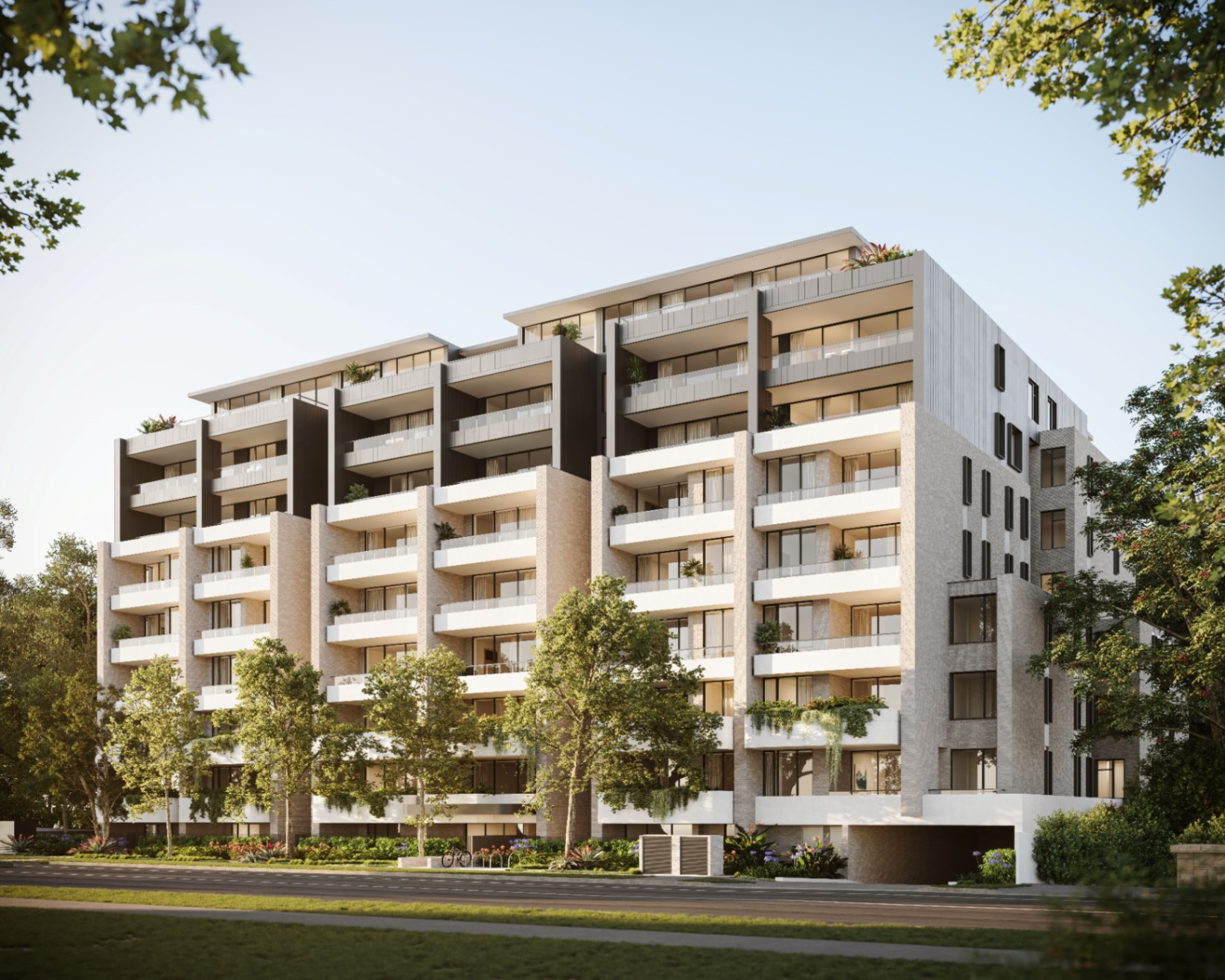 Coposit | Buy with $10K | St Ives Real Estate Market | Buy Property in NSW
The Cowan | St Ives NSW | $10K deposit | Secure with $10k and $1,750 x 100 weeks
Maintenance is the most variable cost in investment property ownership and the one that most frequently catches first-time investors unprepared.
For new properties, the maintenance burden in the first five years is typically low. Structural issues are covered by the builder's statutory warranty, appliances are under manufacturer warranty, and fixtures and fittings have not had time to wear. This is a meaningful advantage of new property investment relative to established property, where the maintenance backlog and the age of systems and fittings mean higher costs from the first year.
How Depreciation Works for New Investment Properties covers the other side of this: new properties also deliver the maximum available depreciation deductions precisely because everything is new and the full value of each item is available for depreciation.
For established property investors, maintenance budgeting of 1% to 1.5% of property value annually is a common rule of thumb for older properties. In practice costs are lumpy: several years of minimal maintenance may be followed by a year with a hot water system replacement, a plumbing issue, and a fence repair. The reserve needs to be sized for the lumpy year rather than the average.
Vacancy is the single largest discretionary risk in investment property in the sense that it is partly within the investor's control through property selection, presentation, and pricing. It is also the cost most frequently absent from investor cash flow projections, which often assume 52 weeks of rental income rather than accounting for realistic vacancy.
A conservative projection assumes four weeks of vacancy per year, representing a 7.7% vacancy allowance. In a tight rental market in a well-located property, actual vacancy may be one week per year or less. In a soft market or with a less lettable property, it could be significantly higher.
Why Rental Vacancy Rates Matter When Researching an Investment Property covers how to research vacancy conditions in a target market before purchase rather than discovering them after.
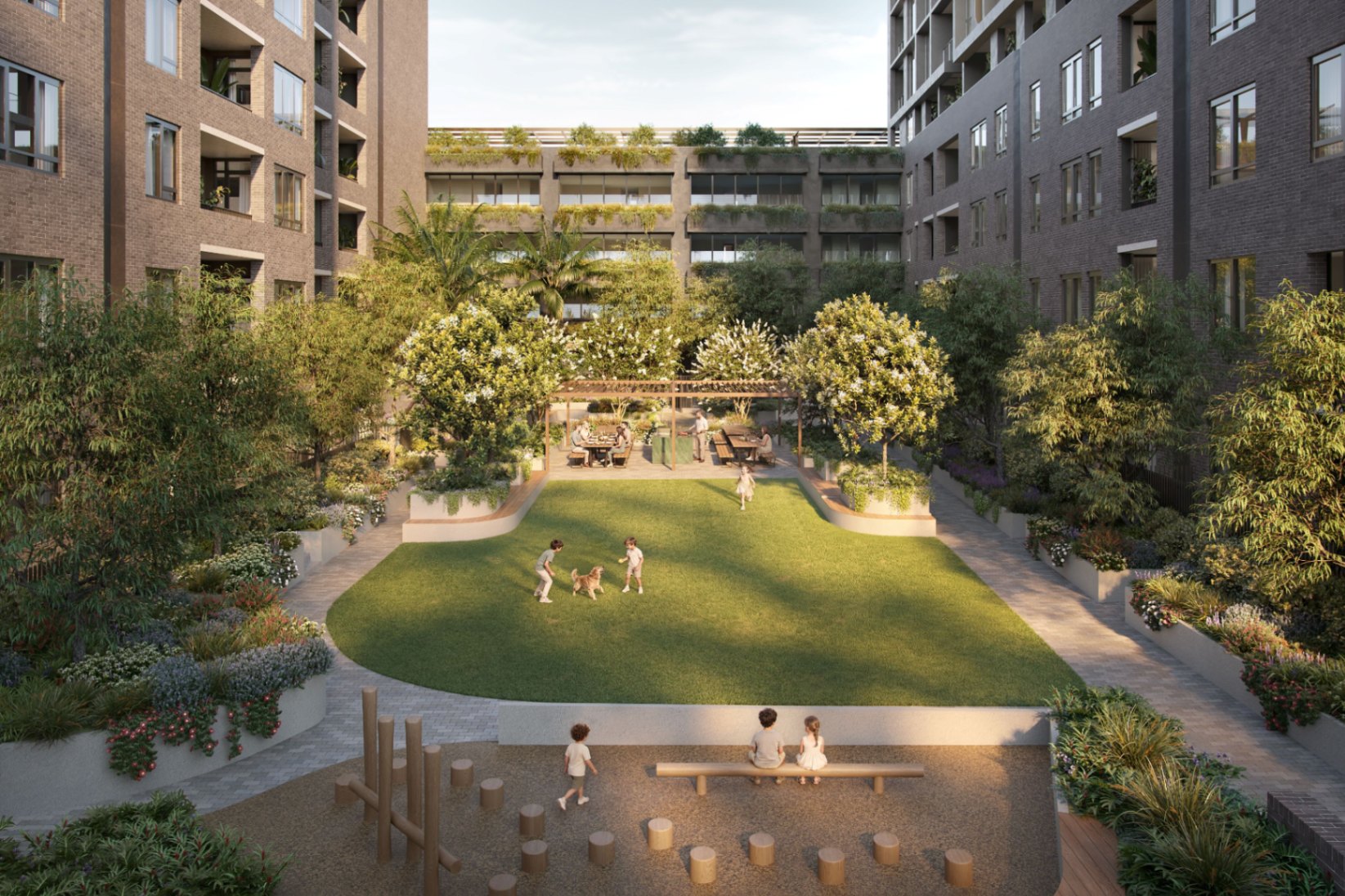 Coposit | Buy with $18K | Sydney Real Estate Market | Buy Property in NSW
Aeris | Melrose Park NSW | $18K deposit | Secure with $18k and $246 x 79 weeks
The difference between a successful investment property experience and a stressful one in the first five years is usually preparation. Investors who modelled the full cost picture before purchase, maintained a proper financial buffer, and chose a property with the characteristics that minimise vacancy and maintenance arrive at year five with a stable investment and a clear sense of its financial performance.
Investors who based their cash flow model only on gross rent minus mortgage repayments, left no buffer, and chose a property primarily on headline price frequently find the first five years much harder than they anticipated.
For investors who want access to new properties with minimal early-year maintenance costs, strong tenant appeal, and full depreciation from settlement, Coposit's off-the-plan model lets you secure a development with $10,000 upfront while building the deposit through weekly instalments during construction. Browse investment-grade projects, download the Coposit app, or reach out to the team to find out what is available.
Share this article



Follow Coposit:


© 2025 Copyright Coposit.

