

Australia has one of the highest rates of pet ownership in the world. Roughly two thirds of Australian households have a pet, with dogs and cats by far the most common. At the same time, Australia has one of the highest rates of private rental occupancy among comparable countries. The overlap between these two facts creates a persistent and well-documented problem: a large proportion of renters with pets face serious difficulty finding a home that accepts them.
Understanding why this problem exists, what renters with pets are actually dealing with, and what their realistic options are matters both for the renters navigating it and for anyone thinking about the broader question of housing stability in Australia.
The reluctance of many Australian landlords to accept pets is not irrational from their individual perspective, even if its cumulative effect is a significant housing access problem.
Landlords bear the financial risk of property damage that is not fully recoverable through the bond or insurance. Scratched floors, damaged gardens, flea infestations, and odour issues are real and common outcomes in poorly managed pet tenancies. The legal framework for recovering costs above the bond amount is accessible but not simple, and the process creates friction that many landlords prefer to avoid by not accepting pets in the first place.
The limitation of rental bonds in most Australian states to four weeks of rent means landlords have limited financial protection against damage that exceeds that amount. In states where landlords cannot charge an additional pet bond, the perceived exposure is higher. Western Australia is an exception, allowing an additional pet bond of up to $260.
Strata bylaws present a separate constraint for apartment buildings. Even landlords who are personally willing to accept pets may be prohibited from doing so by the strata scheme's bylaws, which are set by the owners corporation. How strata bylaws treat pets varies from state to state, and in some states they can still effectively prohibit pets in many apartment buildings.
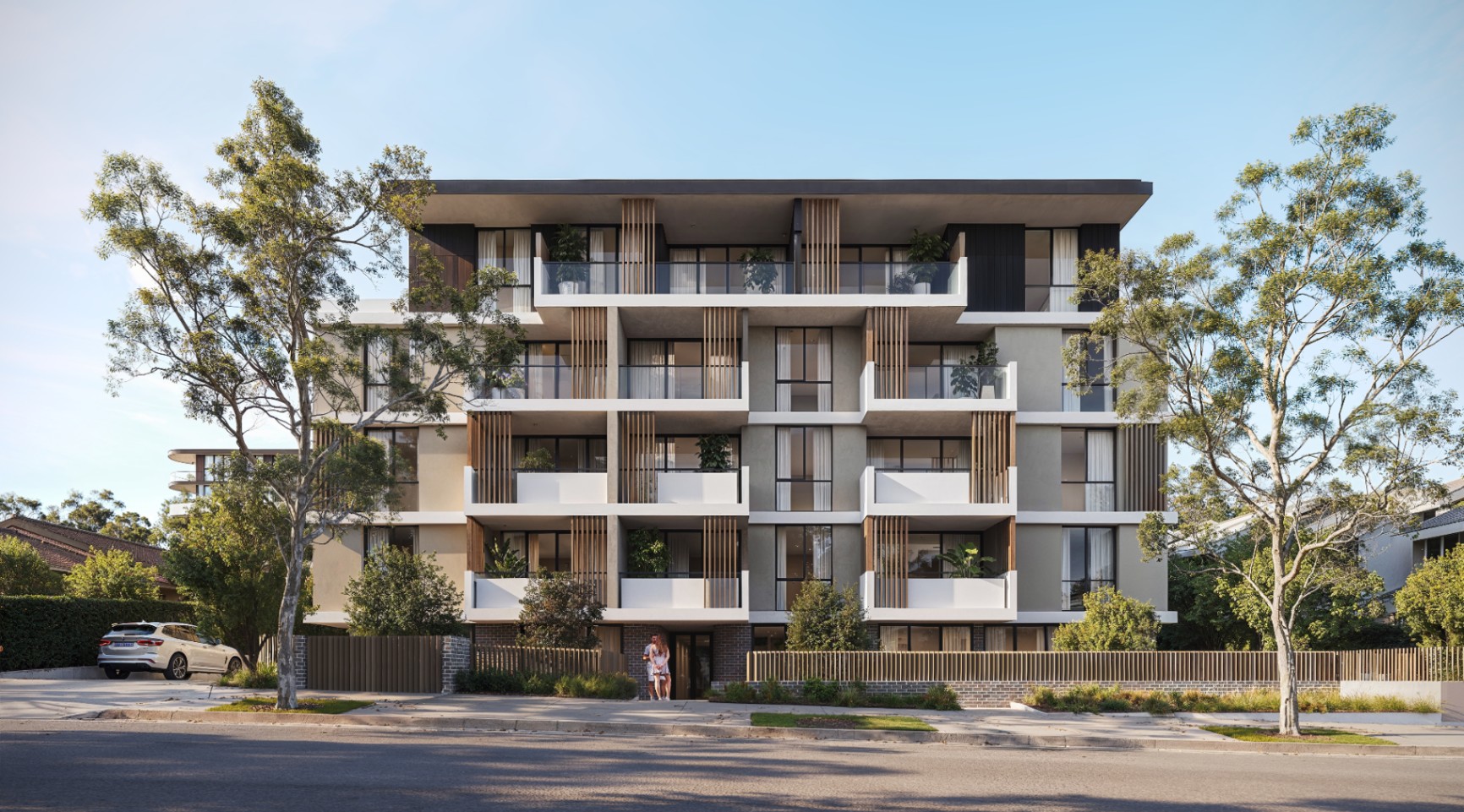 Coposit | Buy with $10K | Heathcote Real Estate Market | Buy Property in NSW
Strickland House | Heathcote NSW | $10K deposit | Secure with $10k and $254 x 140 weeks
The practical experience for renters with pets is a significantly narrowed rental market. When searching for a rental property, a renter with a dog or cat is functionally competing for a subset of available properties. In tight rental markets like those that have characterised Australian capital cities in recent years, that narrowing has real consequences.
Renters with pets frequently report waiting longer to find a suitable property, paying higher rents for pet-friendly properties relative to comparable non-pet properties, accepting less desirable locations or property types in order to secure a pet-friendly lease, and providing extensive additional documentation about their pets to support their application.
The financial cost extends beyond rent. Moving frequently because pet-friendly leases are harder to maintain or renew creates the same pattern of moving costs that The Rental Trap: Why Moving Frequently Can Cost More Than You Think describes, including bond, removalists, connection fees, and the time cost of searching and applying again.
The less visible cost is the effect on housing security and life planning. Renters who cannot reliably find or keep pet-friendly accommodation sometimes face the choice of surrendering a pet or leaving a property earlier than they planned. This is a decision with real emotional and financial consequences that is structurally created by the rental market rather than by the renter's behaviour.
 Coposit | Buy with $10K | Brisbane Real Estate Market | Buy Property in QLD
Laya Residences | Taigum QLD | $10K deposit | Secure with $10k and $4,543 x 33 weeks
Residential tenancy legislation across Australian states and territories has been moving, with varying pace, toward greater protections for pet owners in rental properties.
Victoria introduced reforms in 2020 requiring landlords to have a reasonable excuse to refuse a pet request, with unreasonable refusals appealable to the Victorian Civil and Administrative Tribunal. The ACT introduced similar reforms making pet consent the default unless the landlord applies to ACAT for an exemption.
Queensland allows landlords to refuse pets but prohibits blanket no-pet policies in lease terms, requiring refusals to be specific and in writing. NSW now allows renters to apply to keep a pet, with landlords only able to refuse for specific reasons, such as the property being unsuitable for the animal or the landlord living at the property. Landlords must respond within 21 days, and strata bylaws that ban all pets cannot be used as a reason to refuse.
The patchwork of state legislation means that the rights of a renter with a pet depend significantly on where they are renting. The general direction of reform is toward making pet permission more accessible, but the pace varies and significant barriers remain in most jurisdictions.
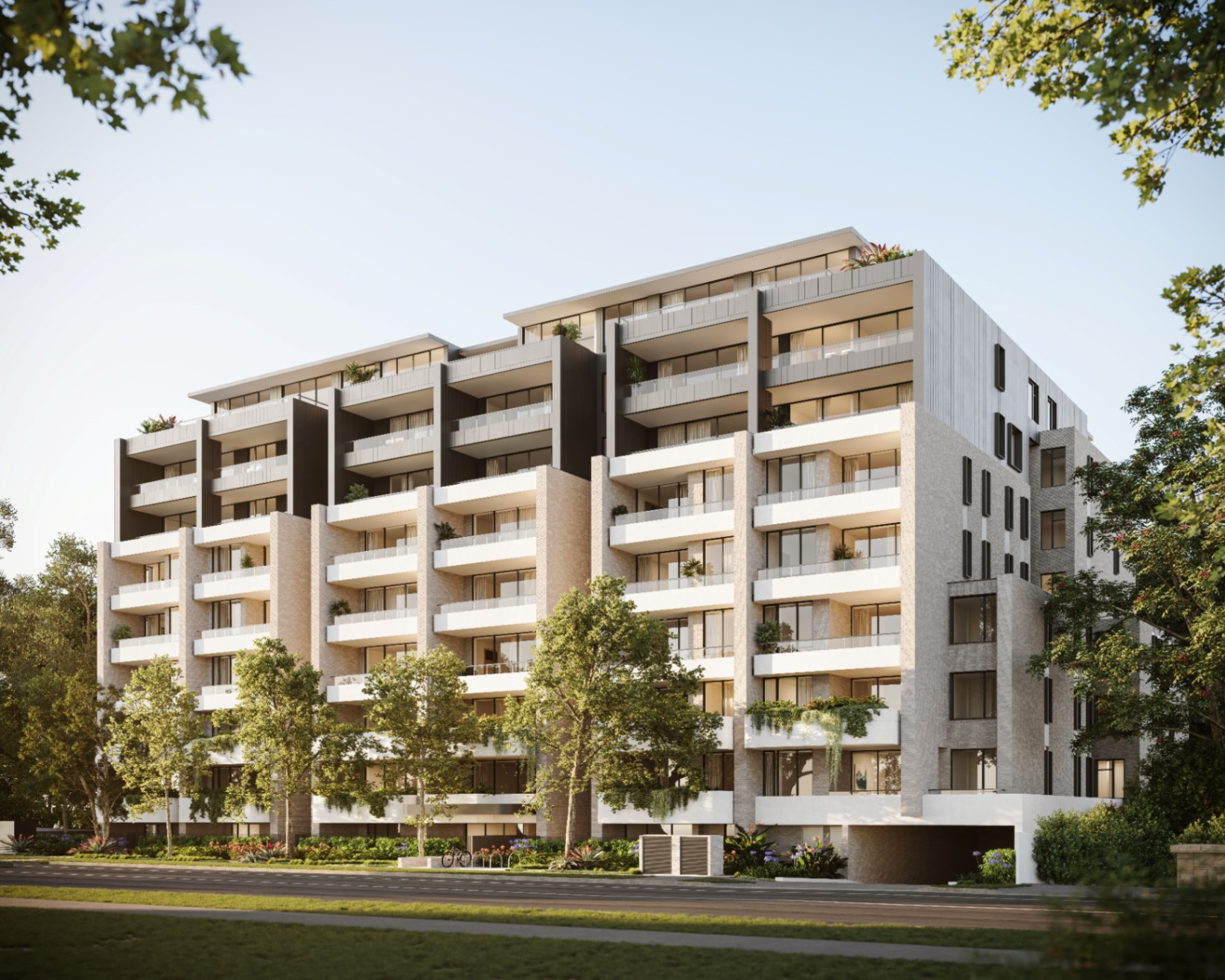 Coposit | Buy with $10K | St Ives Real Estate Market | Buy Property in NSW
The Cowan | St Ives NSW | $10K deposit | Secure with $10k and $1,750 x 100 weeks
The difficulty renters with pets face is not just a practical inconvenience. It is one of the clearer illustrations of how renting in Australia can create instability and constrain life choices in ways that homeownership does not.
An owner-occupier with a pet faces none of these constraints. They can have whatever pets they choose, modify their property to accommodate them, and make long-term decisions about their home without reference to a landlord's preferences or strata bylaws they had no say in creating. The difference in housing security between renting and owning is not abstract for a renter who has had to rehome a pet or leave a property because of it.
What Would It Take to Make Renting More Secure in Australia? covers the broader legislative and structural changes that would be needed to make renting a genuinely stable long-term housing option, of which pet policy is one element.
Rent Increases, Moving Costs and the Challenge of Financial Stability Make It Hard to Save connects the financial impact of rental instability to the deposit-saving challenge that sits between renting and buying.
For renters who are working toward homeownership, Coposit's model allows eligible buyers to secure a brand new property with $10,000 upfront while building the deposit through weekly instalments during construction. As an owner, the question of pets in the home is entirely yours to answer. Browse current developments, get the Coposit app, or contact the team to find out more.
Share this article



Follow Coposit:


© 2025 Copyright Coposit.

