

For Australian families with school-aged children, the rental market presents a specific set of challenges that childless renters and homeowners do not face in the same way. The rhythm of family life is organised around school catchments, established routines, and the social networks children build over years. Rental instability disrupts all of these in ways that have real consequences for children's education, wellbeing, and development.
Understanding why rental stability is particularly important for families, and what the lack of it costs, is relevant both for the families navigating it and for a broader conversation about what adequate housing security looks like in Australia.
Australia's public school system is organised around catchment zones that determine which school a child can attend based on the family's residential address. For families who value continuity of schooling, and most do, this means that moving out of a catchment area effectively forces a school change. For primary-aged children in the middle of a year, that change carries real costs: a disrupted curriculum, lost friendships, adjustment to a new school culture, and the anxiety of being new again.
The catchment system interacts with the rental market in a specific way. A family that rents in a catchment and is not renewed, or cannot afford the rent increase at renewal, may be forced to move not just their home but their children's school. This is a consequence of rental instability that homeowners essentially never face. An owner-occupier remains in their catchment for as long as they choose.
For families who have been in a school long enough that the child has established friendships, relationships with teachers, and a sense of belonging, the disruption of a forced move is not a minor inconvenience. Research on children's educational outcomes consistently identifies school stability as a significant positive factor, and school transitions as a source of risk, particularly for children who are already managing other challenges.
The Social Side of Housing: Can Where You Live Influence Your Wellbeing? covers how residential stability more broadly affects wellbeing in ways that are particularly acute for children in formative years.
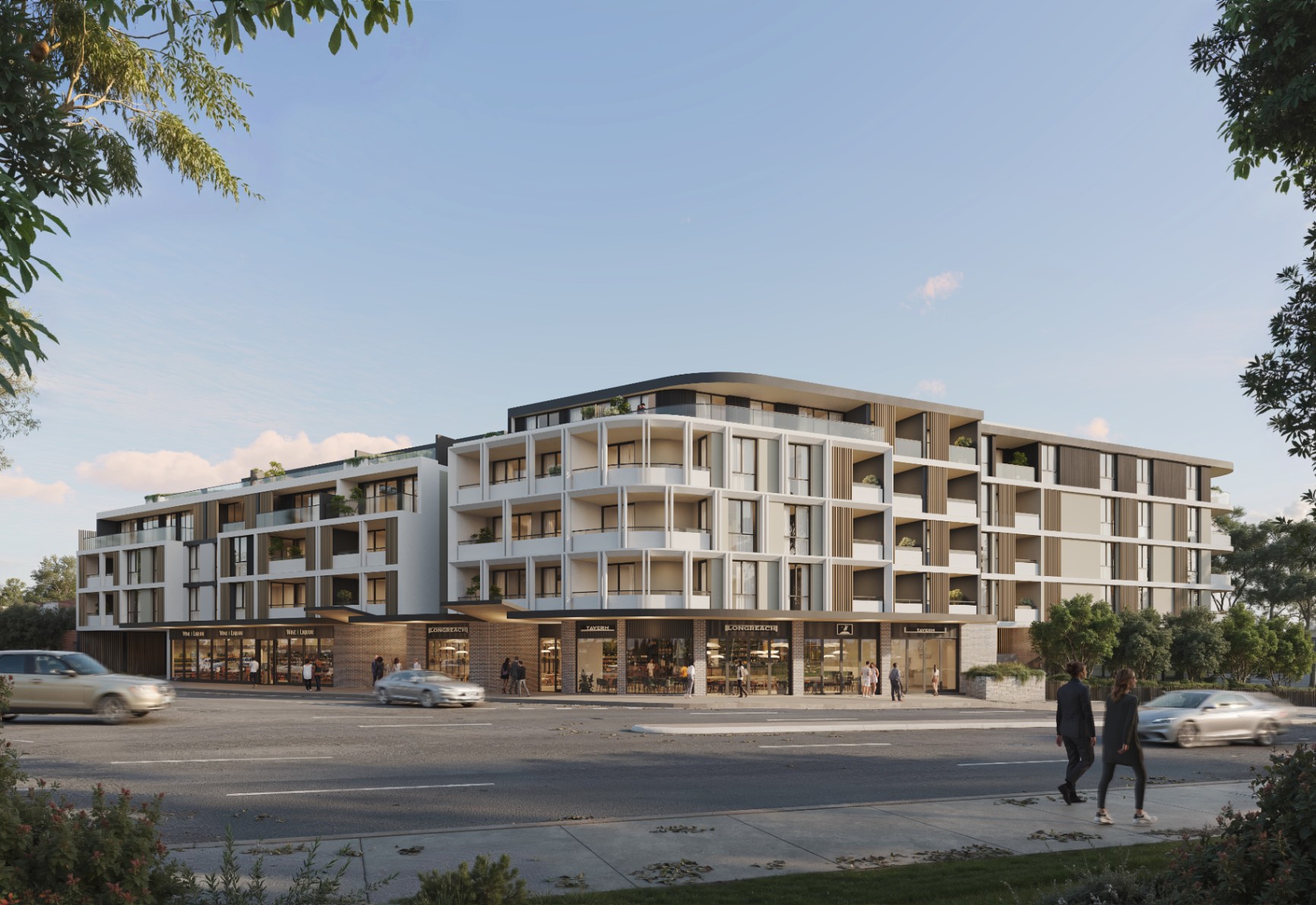 Coposit | Buy with $10K | Heathcote Real Estate Market | Buy Property in NSW
Strickland House | Heathcote NSW | $10K deposit | Secure with $10k and $254 x 140 weeks
Families with children have specific requirements that narrow the available rental market and increase the financial pressure of rental instability.
Proximity to the school is a practical requirement that eliminates most of a city's rental stock as a realistic option. A family whose children attend a school in a particular suburb is effectively limited to rental properties within a reasonable commute of that school, and within the catchment zone for the following year. This geographic constraint means that forced moves within the same general area are significantly harder for families than for renters without children.
The size requirements for families with multiple children are another constraint. A three-bedroom rental suitable for two or three children is rarer and more expensive than a one- or two-bedroom rental. In tight markets, families with children compete for a small subset of available stock, and their position in that competition is affected by the same landlord preferences and market pressures that affect all renters.
The costs of moving with children are higher than moving without them. School uniforms and supplies need replacing if the new school has different requirements. Existing extracurricular activities may no longer be accessible from the new location. Deposits, moving costs, and the time cost of searching and applying with school catchment as a constraint are all higher.
The Rental Trap: Why Moving Frequently Can Cost More Than You Think documents the financial costs of rental instability that compound for families who move more frequently than they would choose.
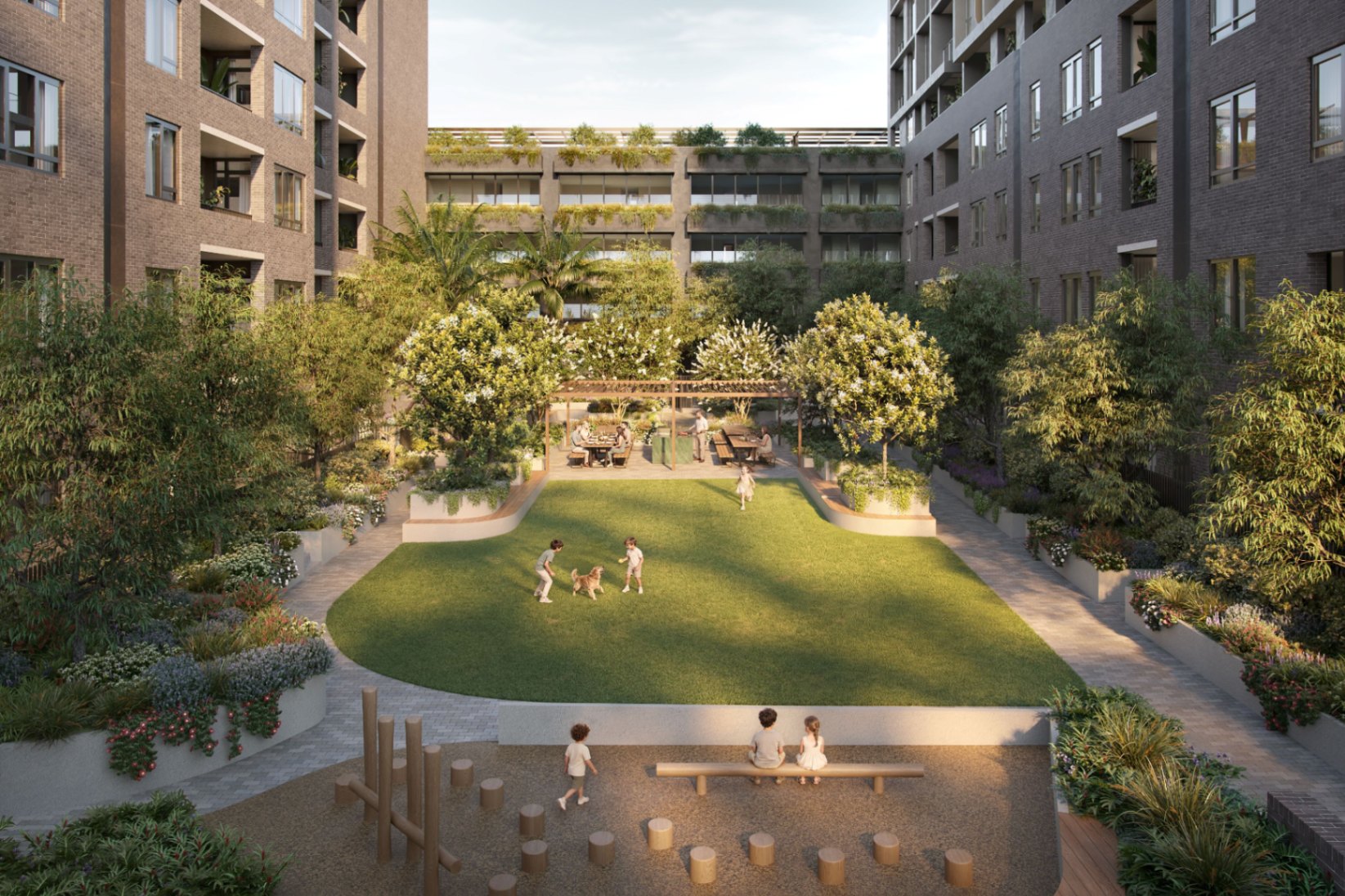 Coposit | Buy with $18K | Sydney Real Estate Market | Buy Property in NSW
Aeris | Melrose Park NSW | $18K deposit | Secure with $18k and $246 x 79 weeks
One of the most direct responses to the rental instability problem for families is longer fixed-term leases. A five-year lease at a fixed rent, or with capped increases, would allow a family to plan school enrolment across a child's entire primary school years without the annual uncertainty of lease renewal.
Australian residential tenancy legislation in most states allows leases of any agreed term. The practical reality is that most Australian leases are twelve months, with many landlords either preferring twelve months or the month-to-month arrangements that follow the fixed term. The preference for shorter leases reflects the landlord's desire to maintain flexibility for rent review, sale, or repurposing of the property.
The interest of families in longer leases and the interest of landlords in flexibility create a genuine tension that legislative reform could address. Some states have moved toward requiring landlords to provide reasons for not renewing a lease, which addresses one dimension of the problem. The question of whether mandatory minimum lease terms for families with children would be appropriate policy is a live one in several jurisdictions.
What Would It Take to Make Renting More Secure in Australia? covers the broader legislative landscape and the reforms that would be needed to make rental stability a genuine structural feature of the market rather than a matter of landlord goodwill.
 Coposit | Buy with $10K | Brisbane Real Estate Market | Buy Property in QLD
Laya Residences | Taigum QLD | $10K deposit | Secure with $10k and $4,543 x 33 weeks
The specific stresses that rental instability creates for families with school-aged children are, for the most part, not stresses that owner-occupiers face. An owner-occupier with school-aged children can plan their children's school years around a stable address, make long-term decisions about where the children will attend high school, and modify their home to suit their family's changing needs without reference to a landlord's approval.
This is not an argument that renting is always bad or that homeownership solves all family housing challenges. It is an observation that the particular anxiety around school catchments, lease renewals, and the forced disruption of children's established routines is structurally connected to renting rather than to any individual family's circumstances.
For families who are working toward homeownership, Coposit's model of securing a brand new property with $10,000 upfront and building the deposit through weekly instalments during construction offers a path that works with the financial reality of families who may be paying rent while also saving. Browse developments currently available, get the Coposit app, or reach out to the team.
Share this article



Follow Coposit:


© 2025 Copyright Coposit.

