

Moving out of home for the first time is one of the most significant financial transitions a young Australian makes. The idea of independence is appealing. The reality of what it costs is often a surprise, not because the numbers are hidden, but because they accumulate in ways that are difficult to anticipate until you are living inside them.
Understanding the full financial picture before making the move, rather than after, is one of the most useful things a first-time mover can do.
The rent is the number most people focus on when planning a move out. It is the largest single cost, and in Sydney, Melbourne, and Brisbane, it is a genuinely significant one. A one-bedroom apartment in a well-located suburb in Sydney costs $550 to $750 per week. In Brisbane and Melbourne, comparable rentals run $450 to $650. These are not premium properties. They are standard market rentals in suburbs with reasonable access to public transport and urban amenity.
But rent is only the start. On top of it sits electricity and gas, which for a one-bedroom apartment typically runs $80 to $150 per month depending on usage and season. Internet adds another $60 to $90 per month. Contents insurance, which renters often skip and later regret, costs $20 to $40 per month for basic cover. Groceries for one person budgeted honestly run $150 to $250 per week. Transport, whether public or car-related costs, adds further. And then there are the one-off costs of setting up: furniture, kitchenware, bedding, cleaning supplies, and the small things that a family home provides invisibly and a rental does not.
The hidden costs of moving house in Australia covers the transaction costs of moving in detail. For renters specifically, the upfront commitment of bond plus two weeks rent in advance on a $600 per week property is $3,600 before the first day in the place.
 Coposit | Buy with $10K | Sydney Real Estate Market | Buy Property in NSW
Concord Central | Concord West | $10K deposit | Secure with $10k and $418 x 151 weeks
The financial consequence of moving out that catches most people off guard is not the weekly cost in isolation. It is what that weekly cost does to their capacity to save.
Consider someone earning $75,000 per year in Sydney, with take-home pay of approximately $1,380 per week after tax and superannuation. Rent at $600 per week consumes 43% of that before anything else. Add $120 for utilities, $80 for internet and insurance, $200 for groceries, and $50 for transport, and the remaining weekly surplus is around $330. From that $330 comes clothing, healthcare, social spending, and any saving.
For someone who intends to eventually buy a property, the savings capacity in this scenario is extremely limited. Even with disciplined spending, accumulating a meaningful deposit while renting in Sydney at market rates is a multi-year project.
The true cost of lifestyle inflation when saving for a home addresses the spending pattern dimension of this. But for many first-time renters, the issue is not discretionary spending. The base cost of housing absorbs what would otherwise be going toward a deposit, and that is a structural problem rather than a personal finance failure.
 Coposit | Buy with $17K | Sydney Real Estate Market | Buy Property in NSW
Dawn | Melrose Park | $17K deposit | Secure with $10k and $317 x 58 weeks
Why more young Australians are living with their parents longer documents the trend directly. The decision to stay in the family home longer is, for a significant and growing cohort, a rational financial calculation rather than a failure to launch. The savings generated by avoiding market-rate rent for two or three additional years can be transformative for a deposit goal.
The friction is real. Living at home as an adult has social and psychological costs that are genuine even when the financial logic is clear. The arrangement works best when treated as a defined, time-limited strategy with a specific savings target and exit point rather than an open-ended default.
First-time movers often underestimate the upfront cash requirement even before the first week's rent is paid. Bond, typically four weeks rent, must be lodged before accessing the property. Two weeks rent in advance is usually required simultaneously. On a $600 per week rental, that is $3,600 on day one. Add a removalist cost of $600 to $1,500, connection fees for electricity and internet, and the immediate purchases needed to make a bare rental liveable, and the first month of independent living can cost $6,000 to $10,000 before any ongoing costs begin.
How much cash do you actually need before signing a property contract addresses the buyer equivalent of this calculation. The principle is the same: the upfront cash requirement is always higher than the headline number suggests, and planning for it in advance avoids the shock of discovering the gap at the wrong moment.
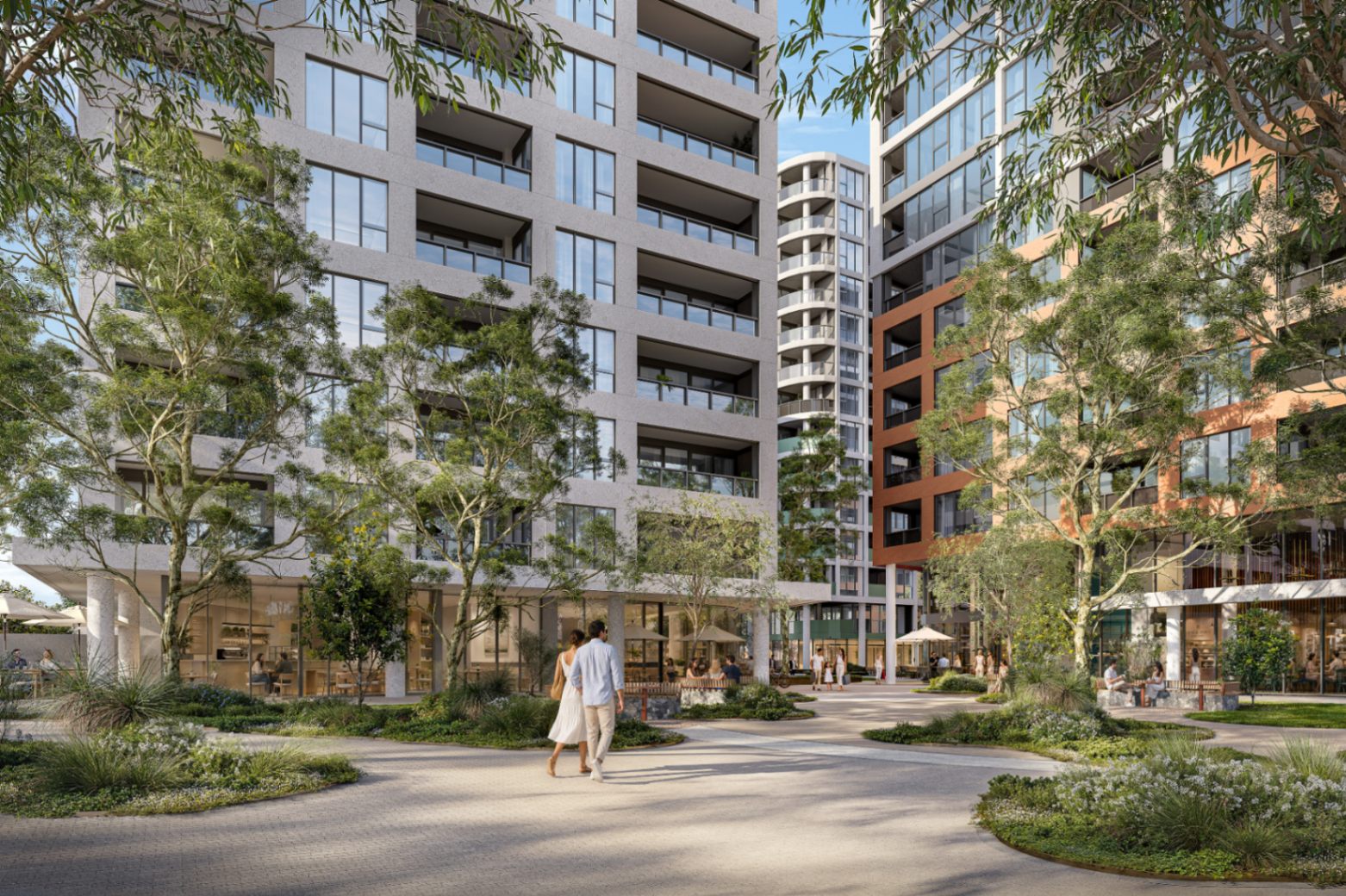 Coposit | Buy with $10K | Canberra Real Estate Market | Buy Property in ACT
Gateway Braddon | Braddon ACT | $10K deposit | Secure with $10k and $172 x 72 weeks
For first-time movers who are also working toward eventual property ownership, the period of renting is most useful when treated deliberately. Every financial decision during that period, from which suburb to rent in, to how much board to pay in the transition period, to how much to direct toward savings each week, either advances or delays the ownership goal.
Can you buy off the plan with less cash today but more savings later is worth reading for first-time renters who are already thinking about what comes after renting. Coposit's model allows eligible buyers to secure an off-the-plan property with $10,000 upfront and pay the remaining deposit in weekly instalments during construction, which changes when a full lump-sum deposit is needed and makes it possible to act on an ownership goal earlier than a traditional deposit structure allows.
Browse current eligible developments on the Coposit projects page, download the Coposit app, or contact the team to understand how the structure works from where you are now.
Share this article



Follow Coposit:


© 2025 Copyright Coposit.

